This Area's Housing
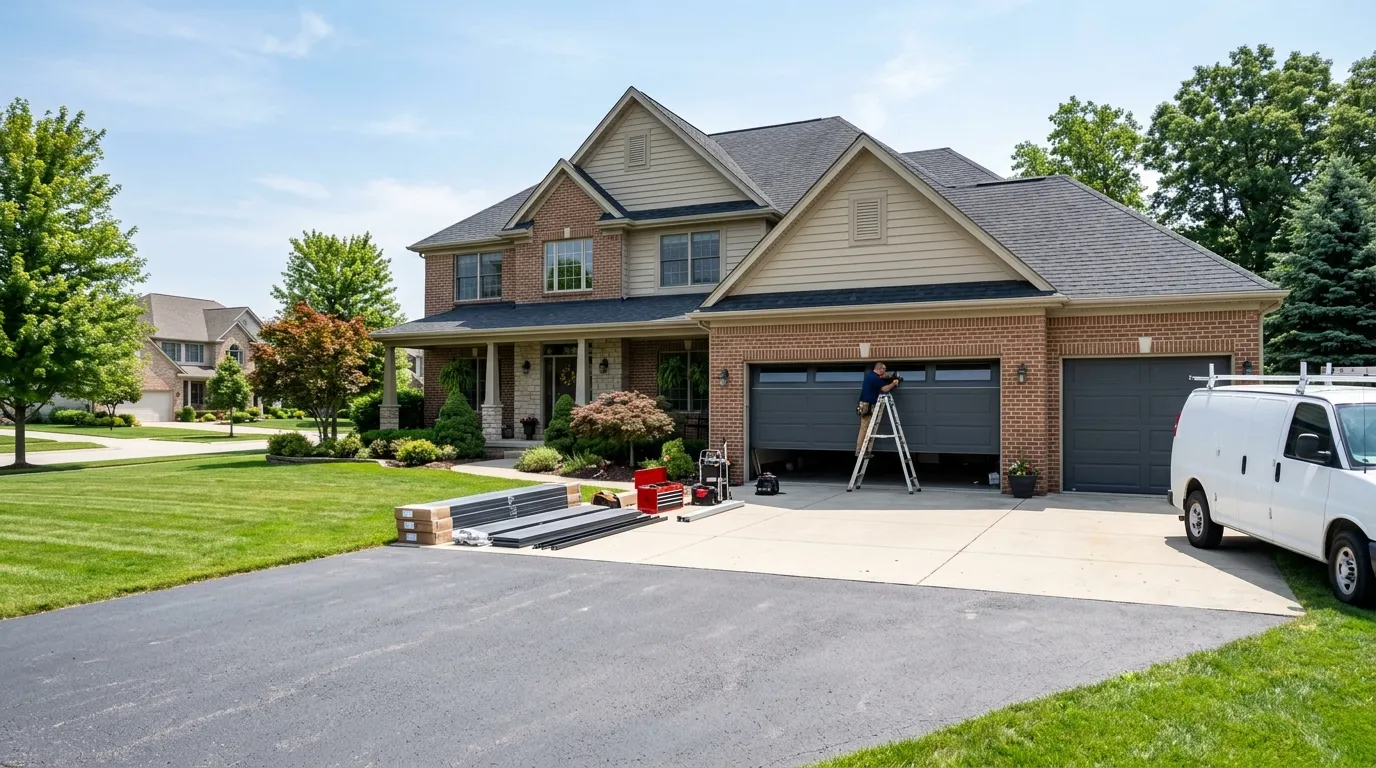
Villa Park's housing stock centers on 1958, which puts it a good six years earlier than the median build year across our wider service area. That earlier date matters more than it sounds like it should. Garages built in the late 1950s were framed for shorter, narrower doors than what gets installed today, and a lot of those original openings never got widened when the doors themselves were swapped out over the decades. You'll find plenty of houses here still running hardware that's been patched and re-patched rather than replaced outright. With about 8,403 households in a fairly compact footprint, this isn't a town of sprawling three-car garages - it's mostly single and double bays, built lean, built for cars that were smaller than what people park now. The area's median household income, at $94,698, runs well above the $80,202 average for our broader service area, and that shows up less in bigger garages and more in what people choose to put into them - better openers, insulated steel panels, and quieter belt-drive systems replacing the chain-drives that came standard decades ago.
What That Means for Doors
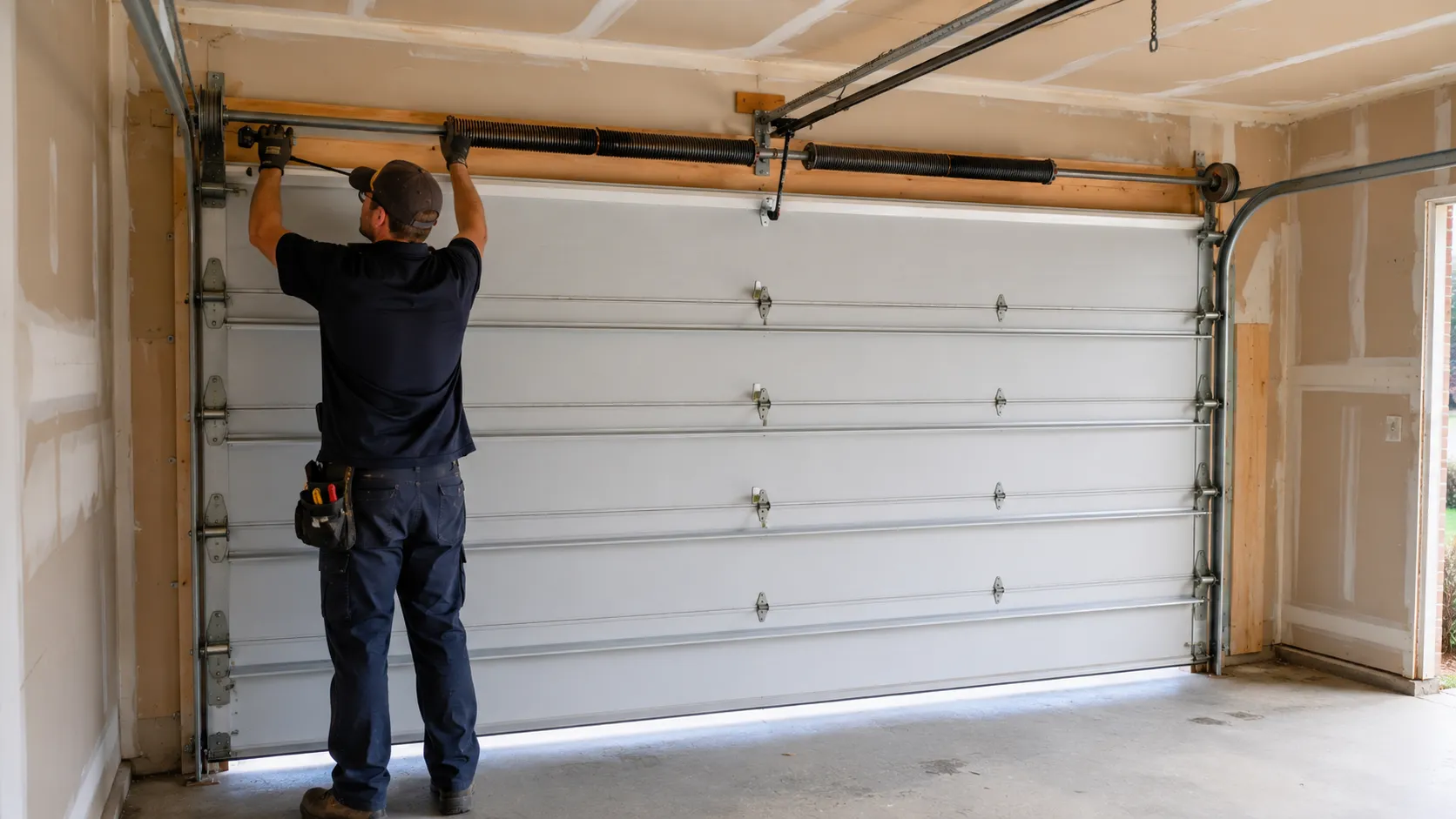
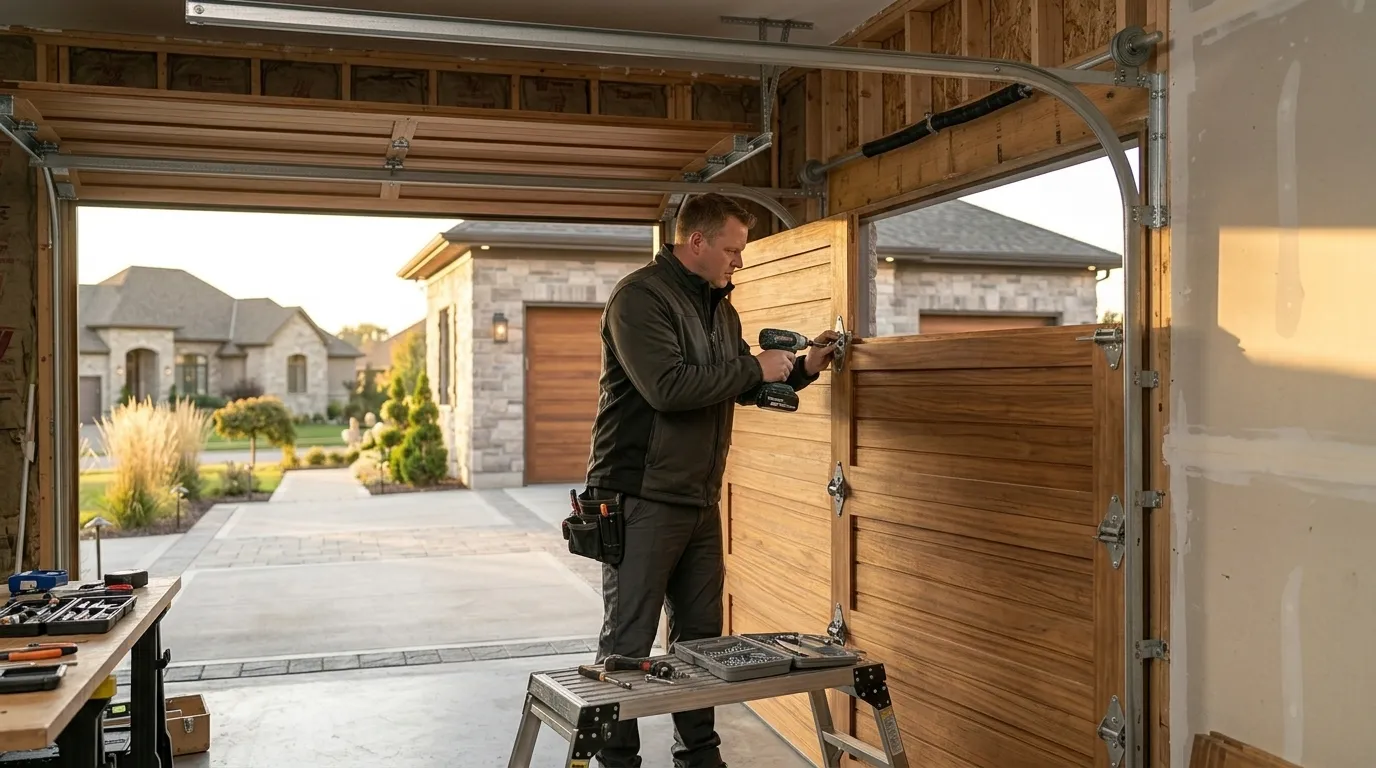
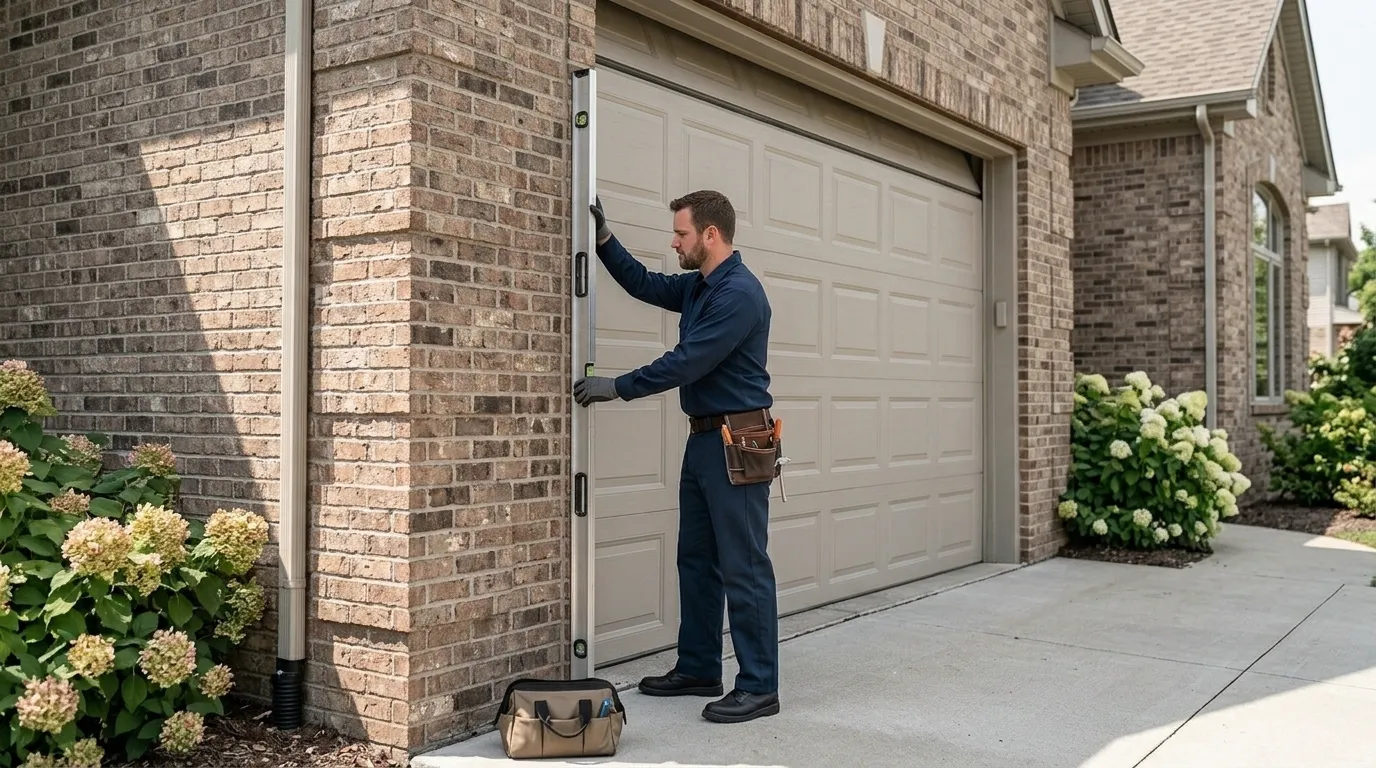
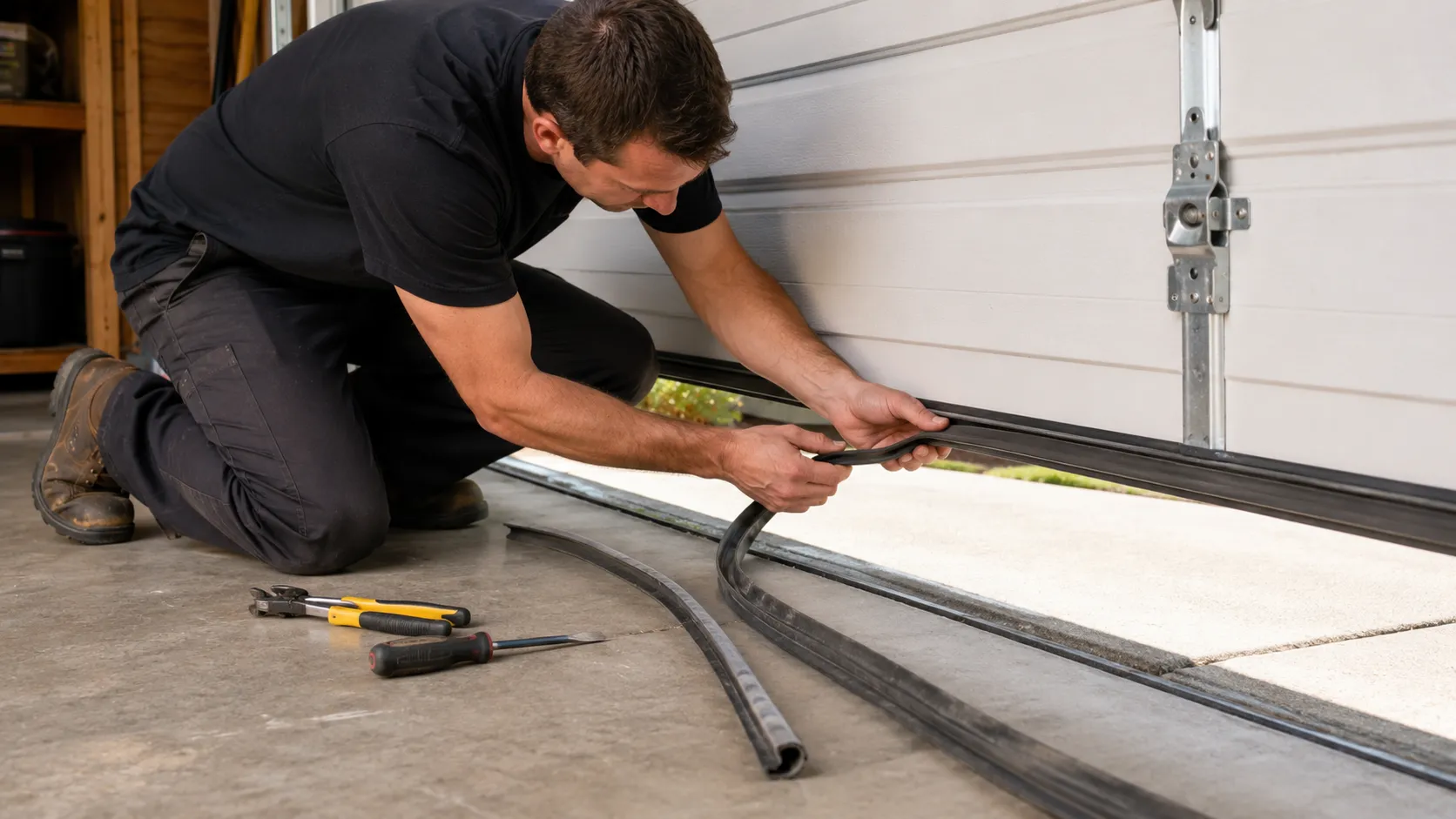
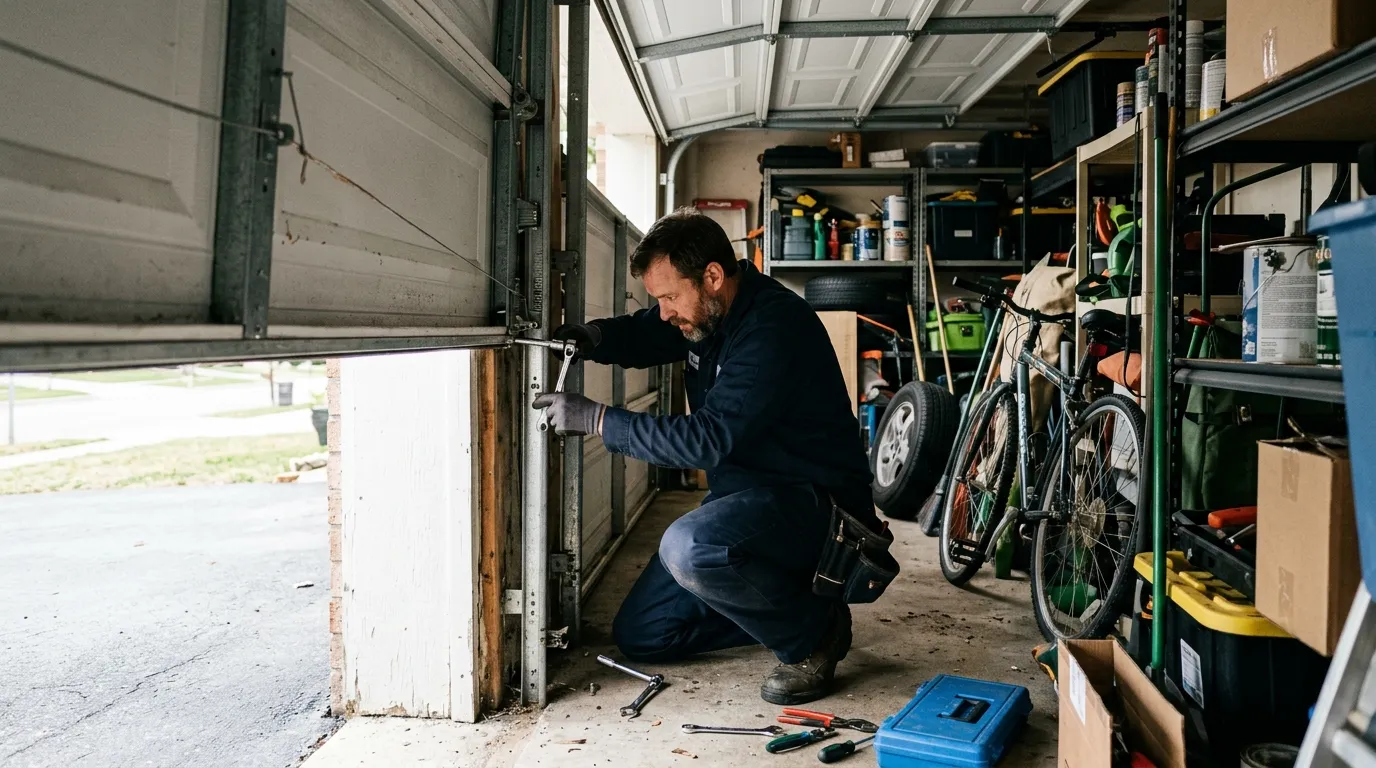
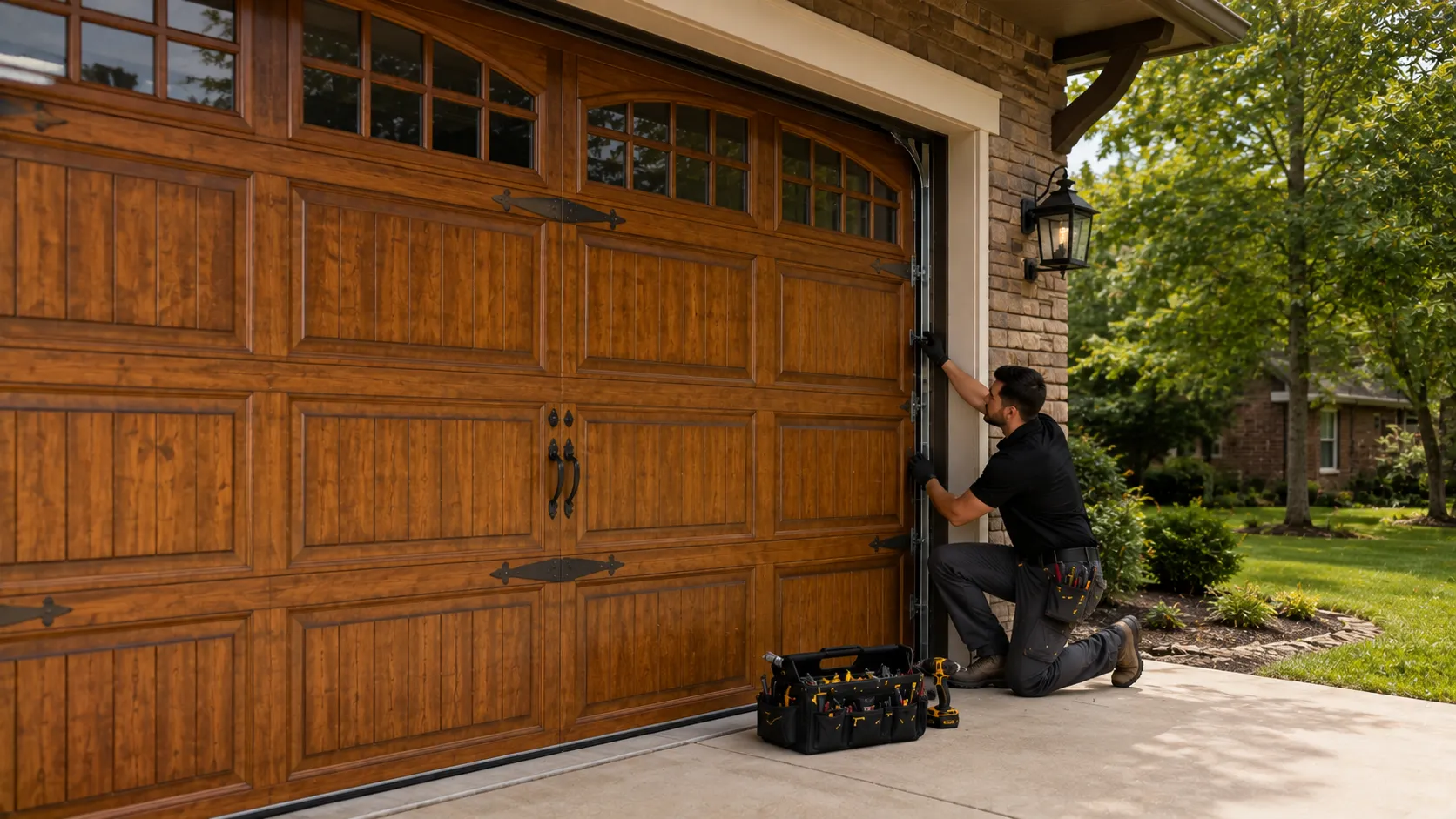
A door built for a 1958 opening doesn't always play well with modern hardware bought off a shelf sized for newer construction. We see torsion springs cut to fit openings a couple inches narrower than what's common now, and tracks mounted with clearances that don't match a lot of stock replacement parts. The service area sits in a cold, moderate climate band, and on doors this old the steel jambs and header brackets have usually taken forty-plus winters of expansion and contraction - that fatigues the mounting points before the springs themselves ever fail. When we're called out here, we're often not just swapping a part, we're checking whether the frame around it still holds a proper seal. Wood doors from that era, where they survive, tend to have swollen or warped enough that panel replacement makes more sense than another round of planing and repainting. We'll say so rather than charge for a fix that won't hold through another season.
What People Here Ring About
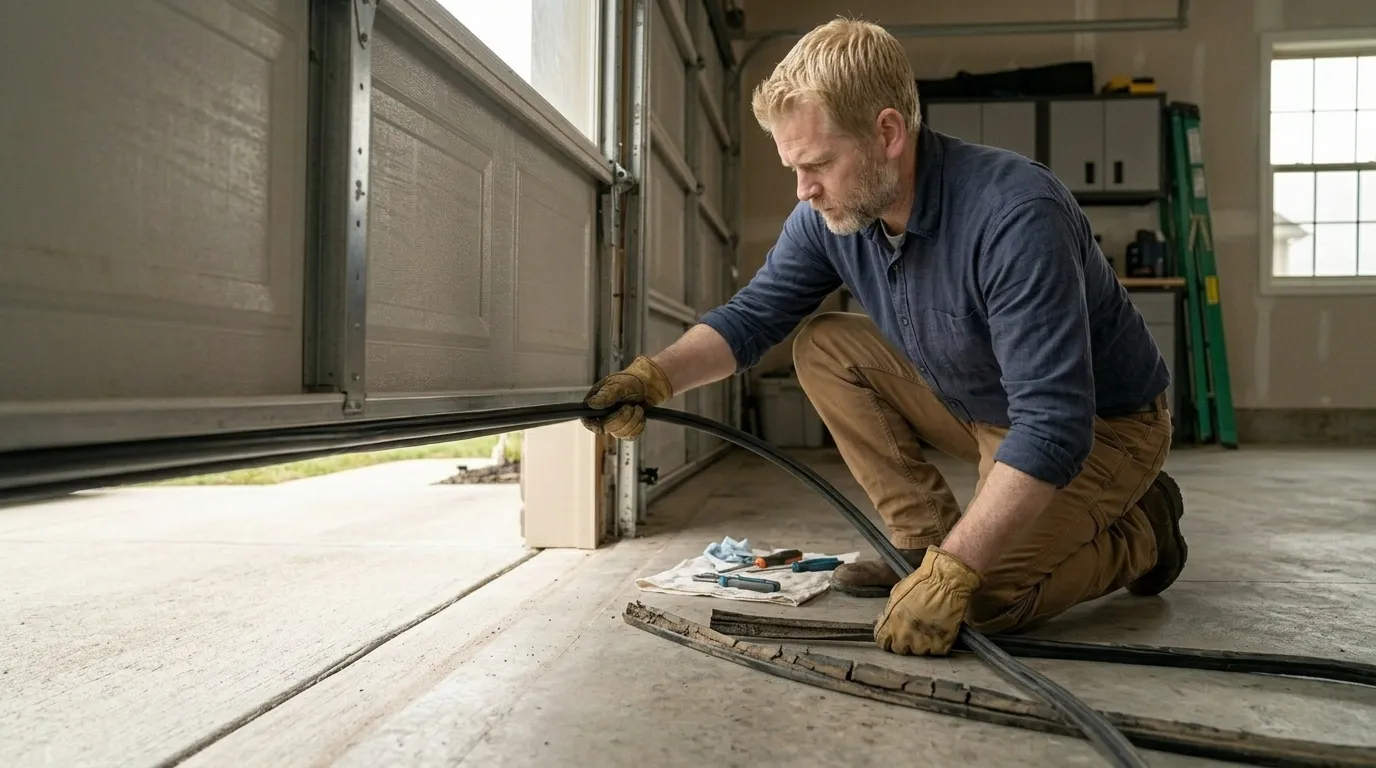
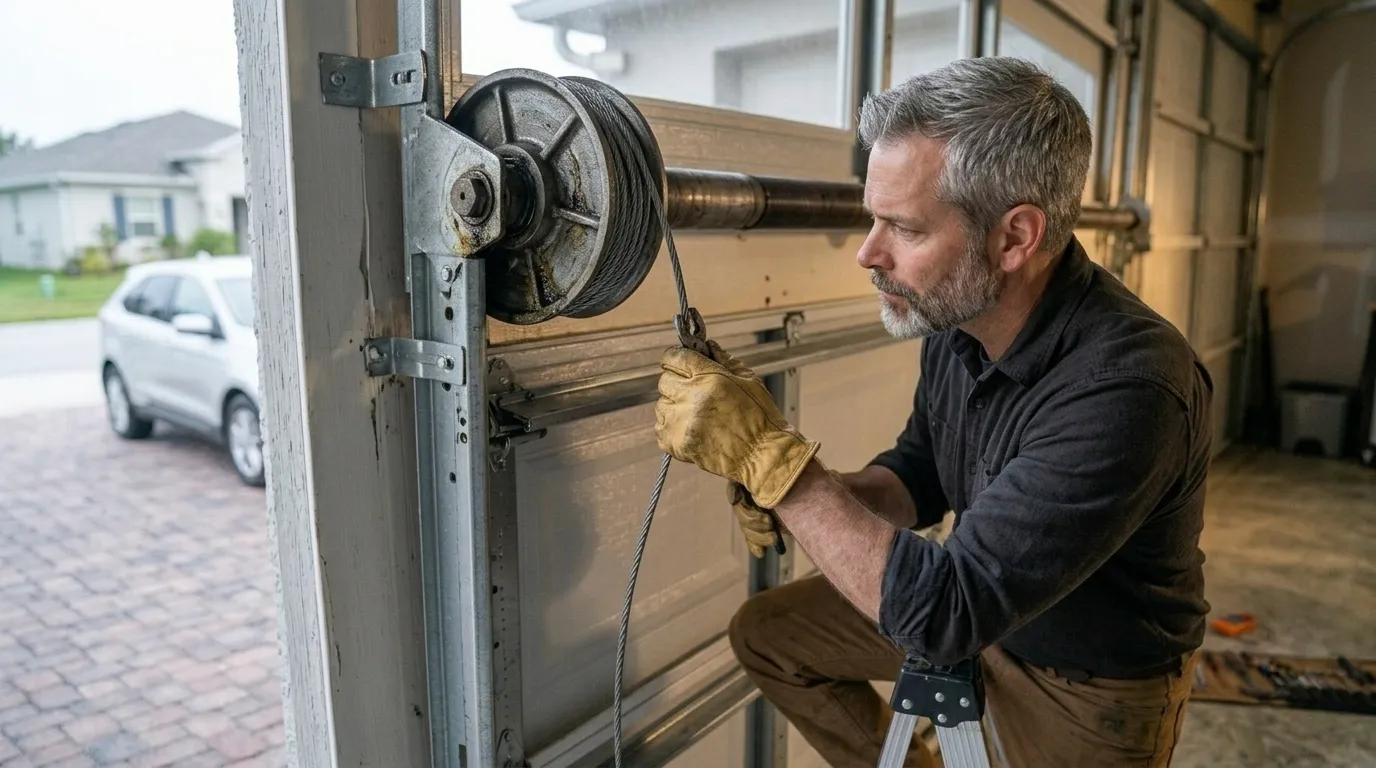
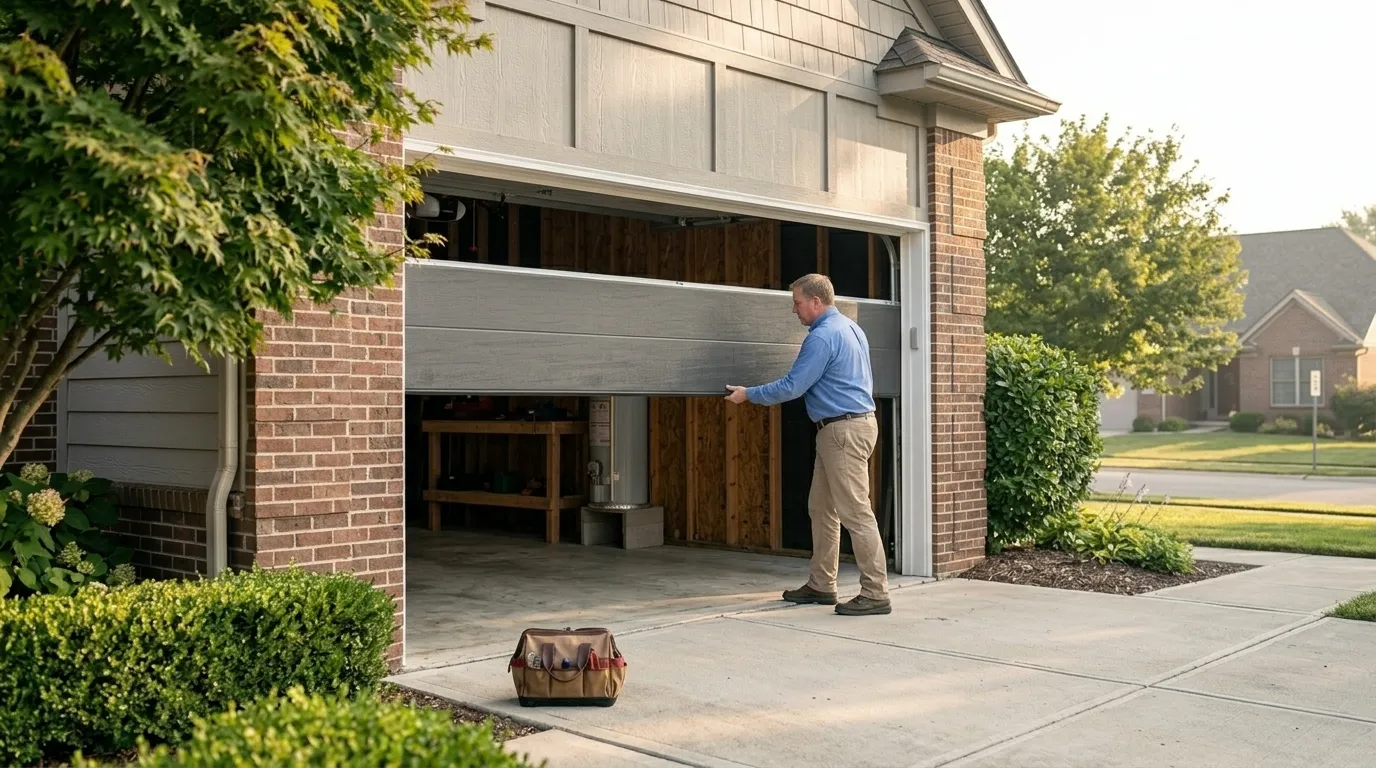
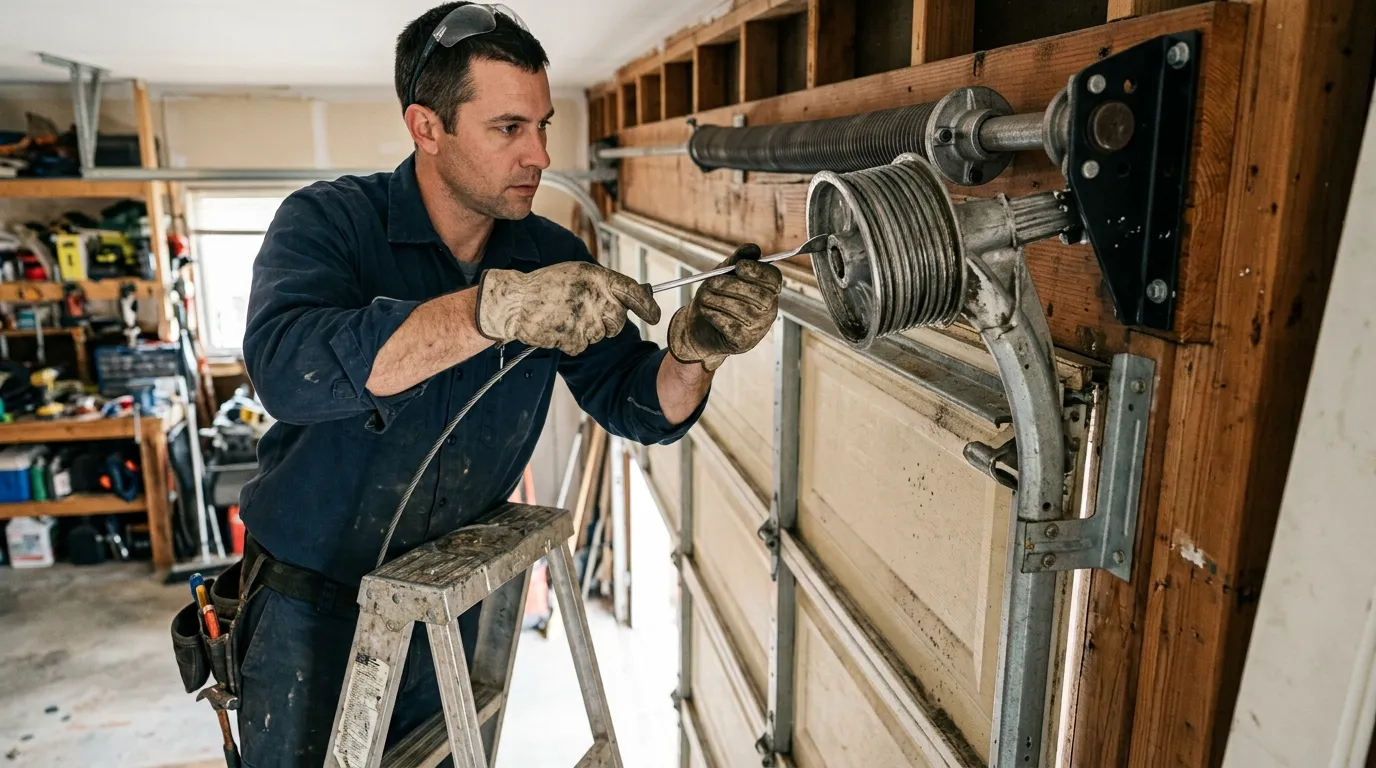
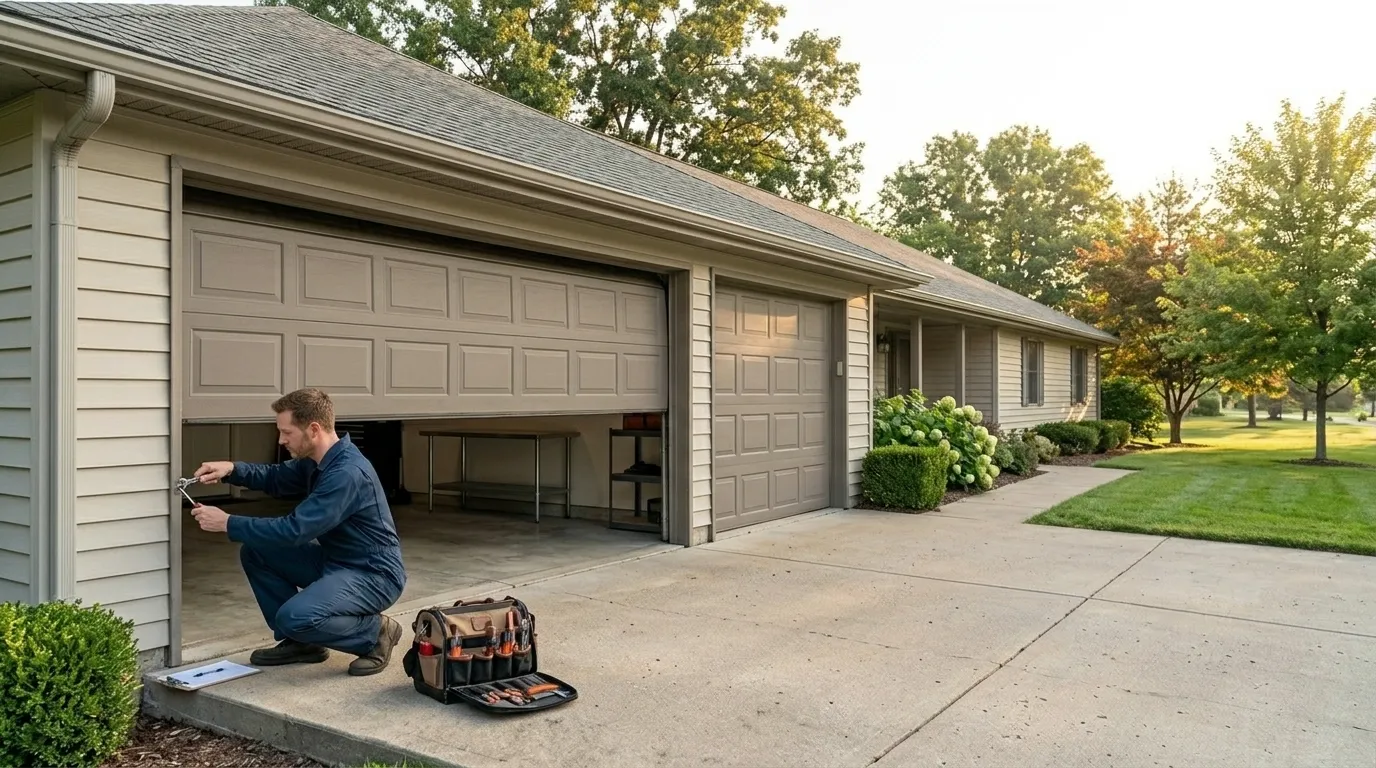
The most common call from this area is a broken torsion spring on a door that's never been touched since the house was built or bought - homeowners hear the bang, see the door won't lift, and that's usually exactly what it is. Second most common is an opener retrofit: a chain-drive unit from the 1980s or 90s finally giving out, replaced with a quieter belt or screw-drive model, mounted onto the same original track if it's still square. We also get calls about panel damage on the narrower single-bay doors typical of this build era, where a dented or rusted-through bottom panel means sourcing a size that isn't always sitting on a standard truck. Roller and cable wear shows up too, more from age than heavy daily use, since a lot of these garages were never built for two-car traffic in the first place.