What Is on These Garages
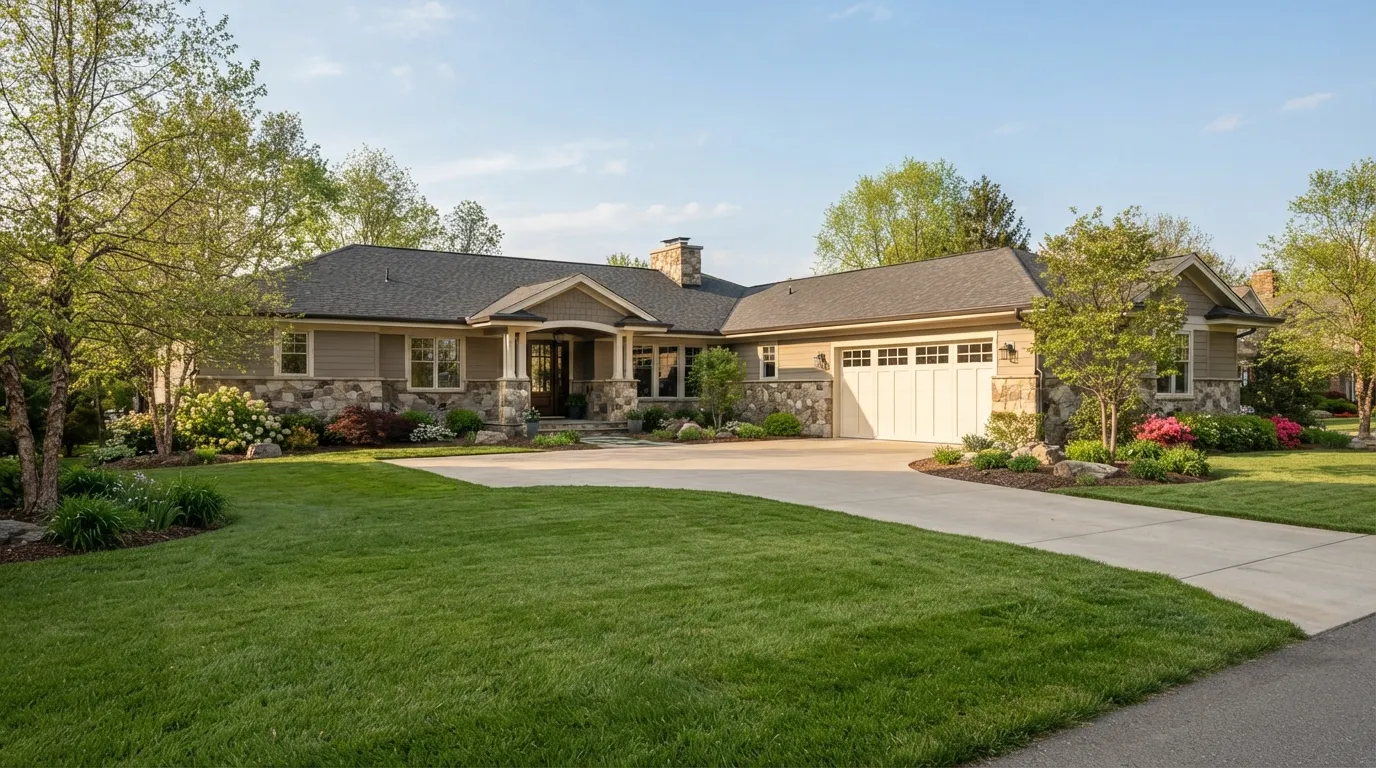
West Englewego sits inside a swath of Chicago housing built between 1938 and 1994, with most of it going up in the 1960s and 70s. That build window matters for what's actually bolted to these garages. A lot of the doors here are original steel sectional units on torsion springs, or older extension-spring setups that got swapped out at some point but never fully updated to current hardware. You don't see many insulated doors from that era - insulation wasn't standard practice on a mid-century garage the way it is now, so a good number of these panels are single-layer steel that rattles and dents easy.
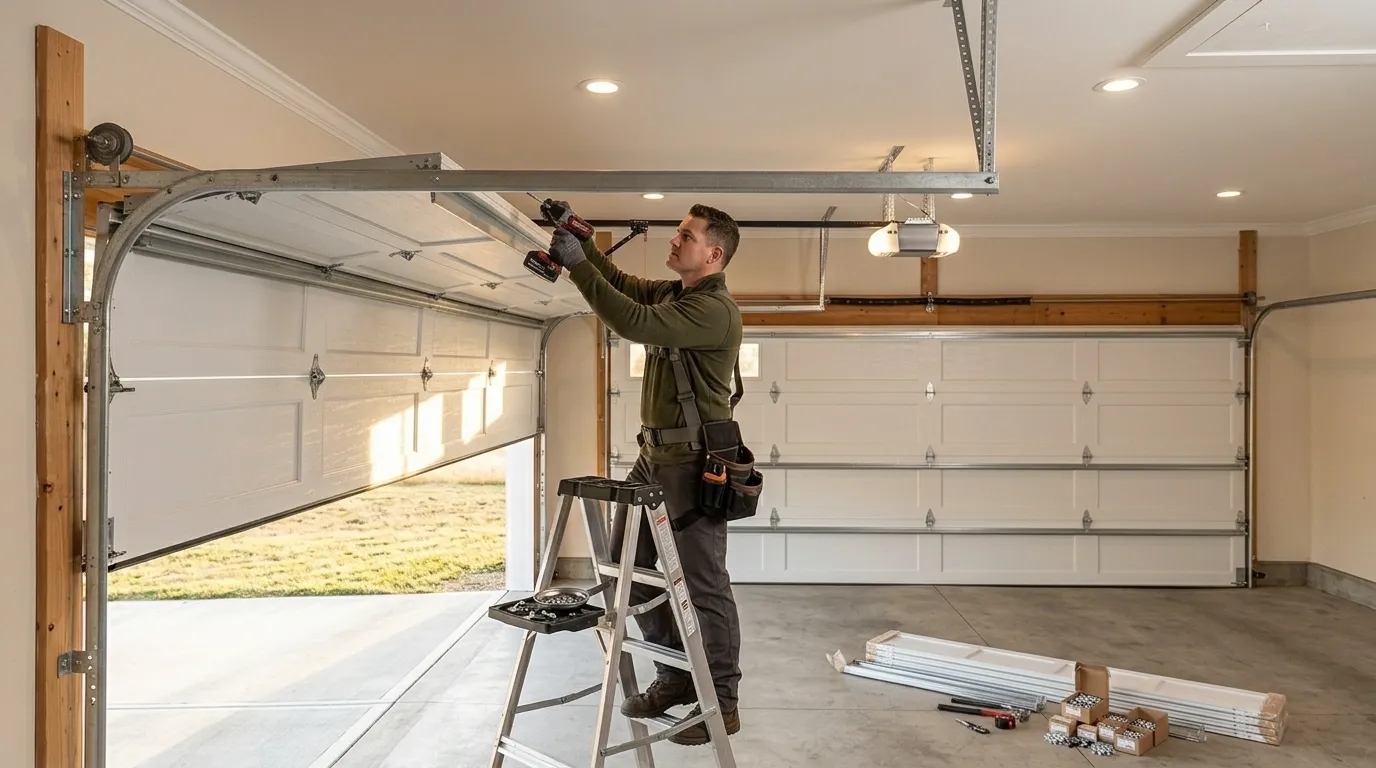
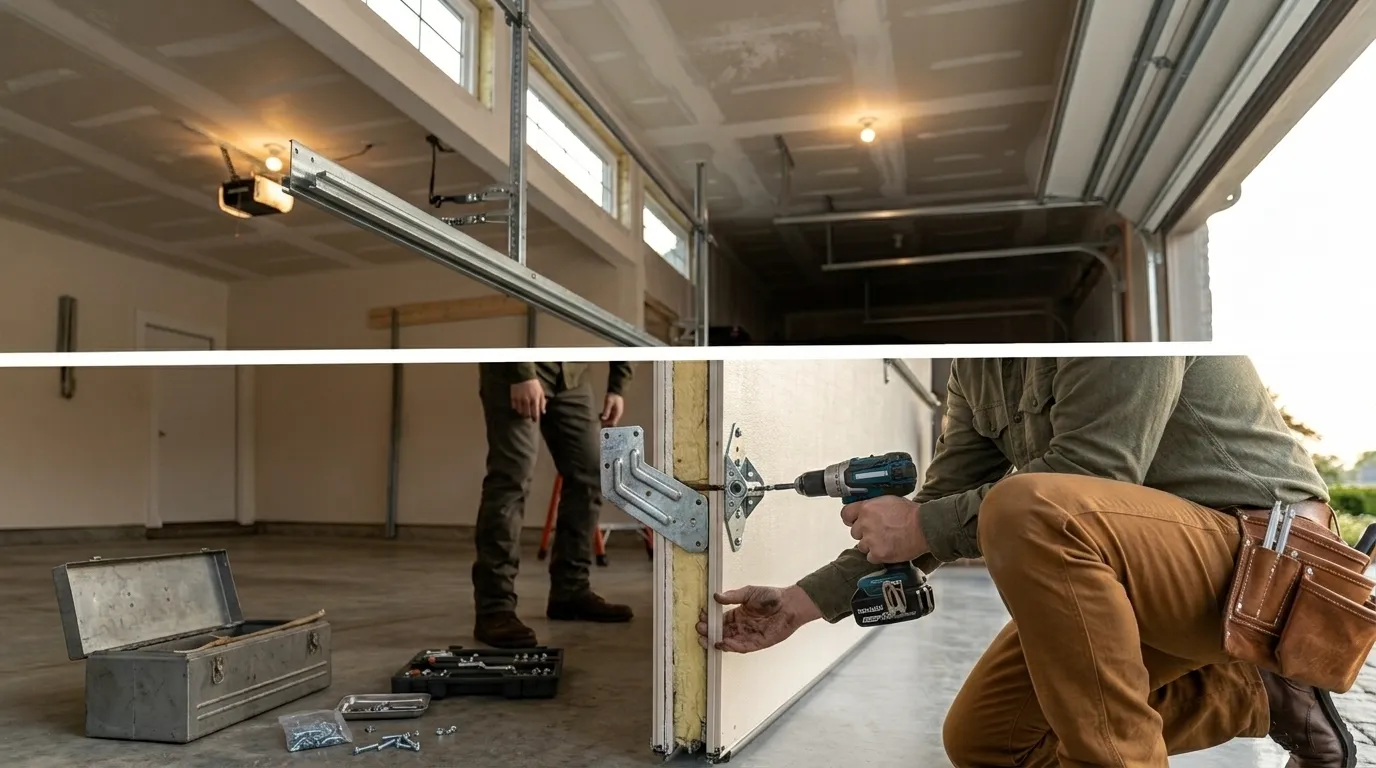
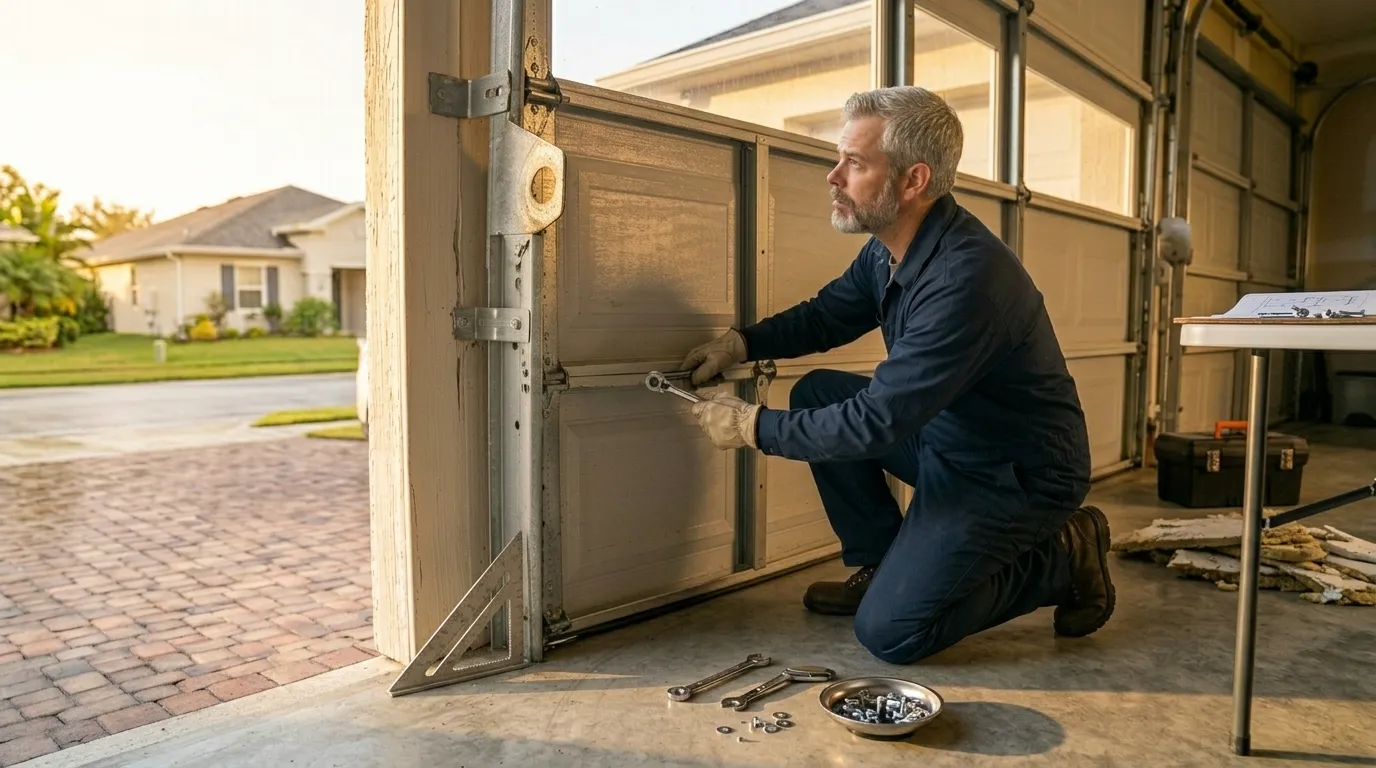
Openers are a mixed bag. Some houses still run a chain-drive unit that's older than the current owner's time in the house; others have had a replacement opener bolted onto original track that was never squared up right. We see a fair number of jobs where the door itself is fine but the track alignment is decades off, which throws rollers and cables out of true. That's not a West Englewego-specific defect - it's what happens when hardware from one era gets patched piecemeal for sixty years instead of replaced as a system.
Where You Are
West Englewego is about 4 miles southeast of the service area's center, on the south side of the broader Chicago footprint we cover. McKinley Park sits roughly a mile east-southeast of the center, Back of the Yards about two miles south-southeast, and Brighton Park two miles south-southwest - all part of the same general cluster of close-in neighborhoods with similar mid-century housing stock. We don't have block-level landmarks to point to here, so we're not going to invent a cross street or a nearby park that we can't confirm. What we can say is that a truck dispatched to this part of the city isn't driving far, and the housing pattern on these blocks tracks closely with what we see across the rest of that inner ring.
Typical Work
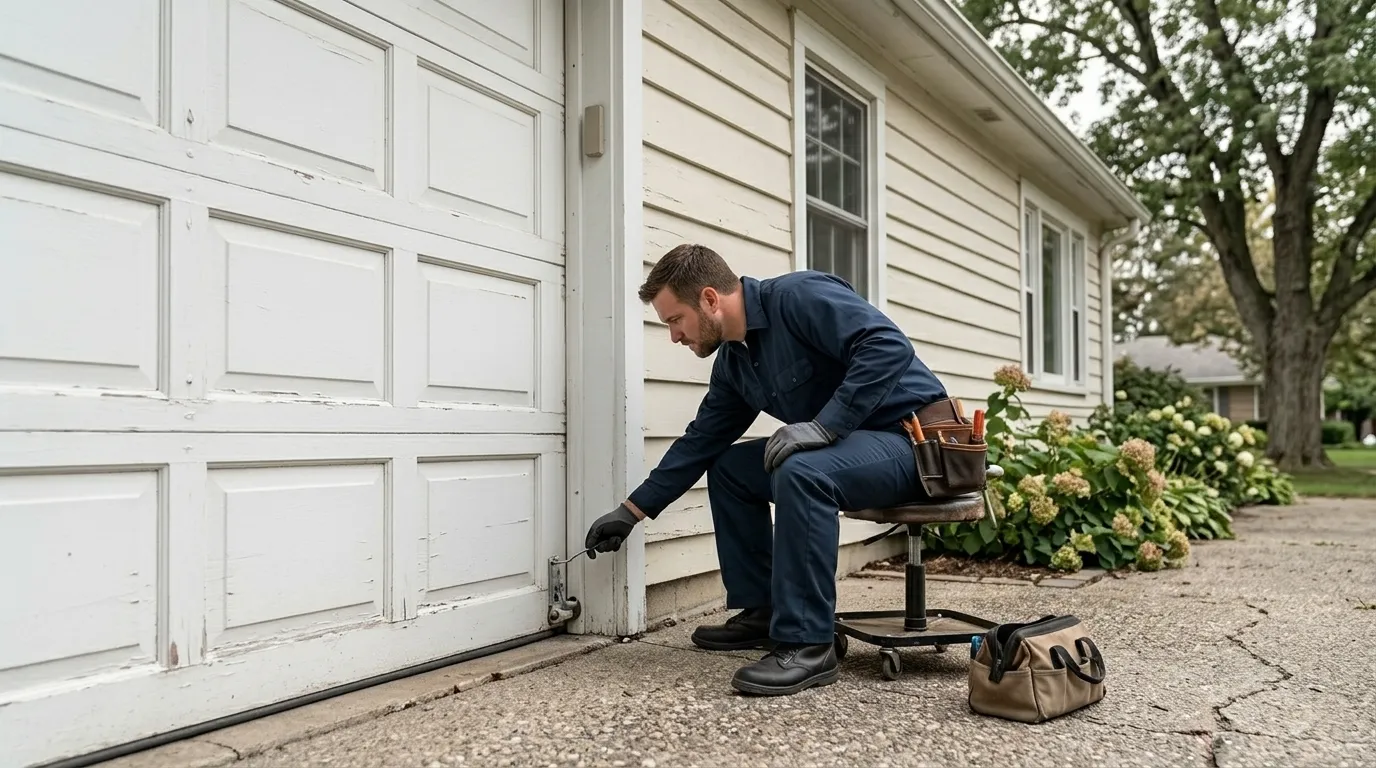
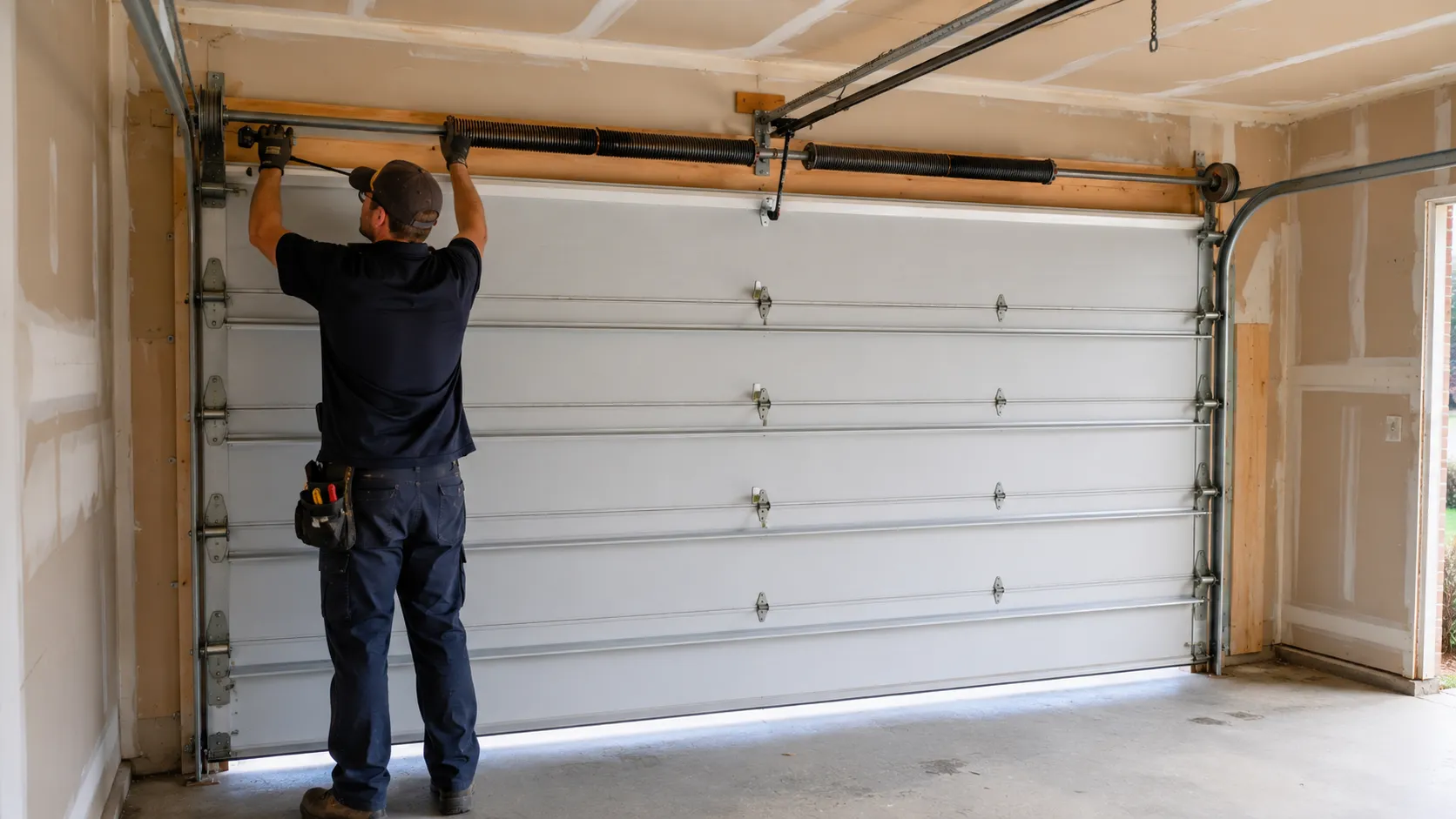
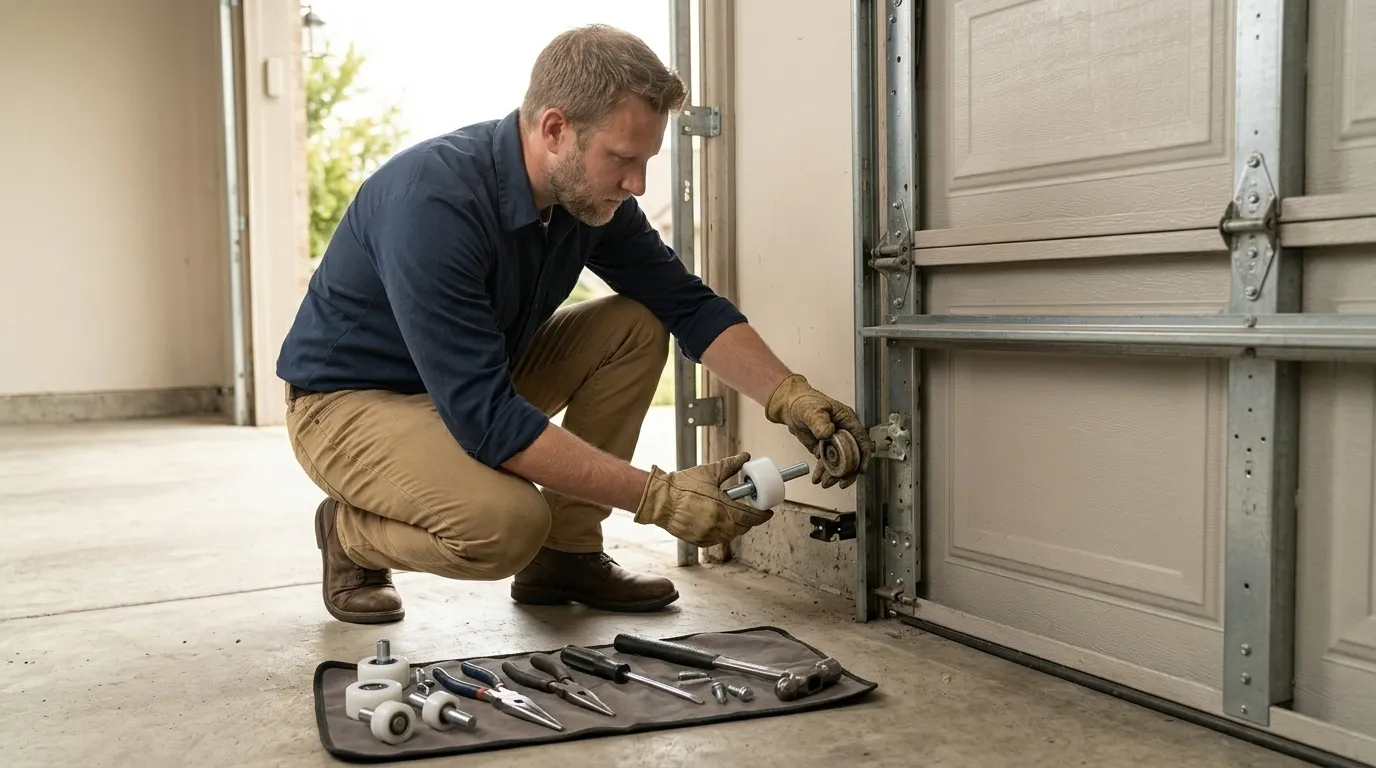
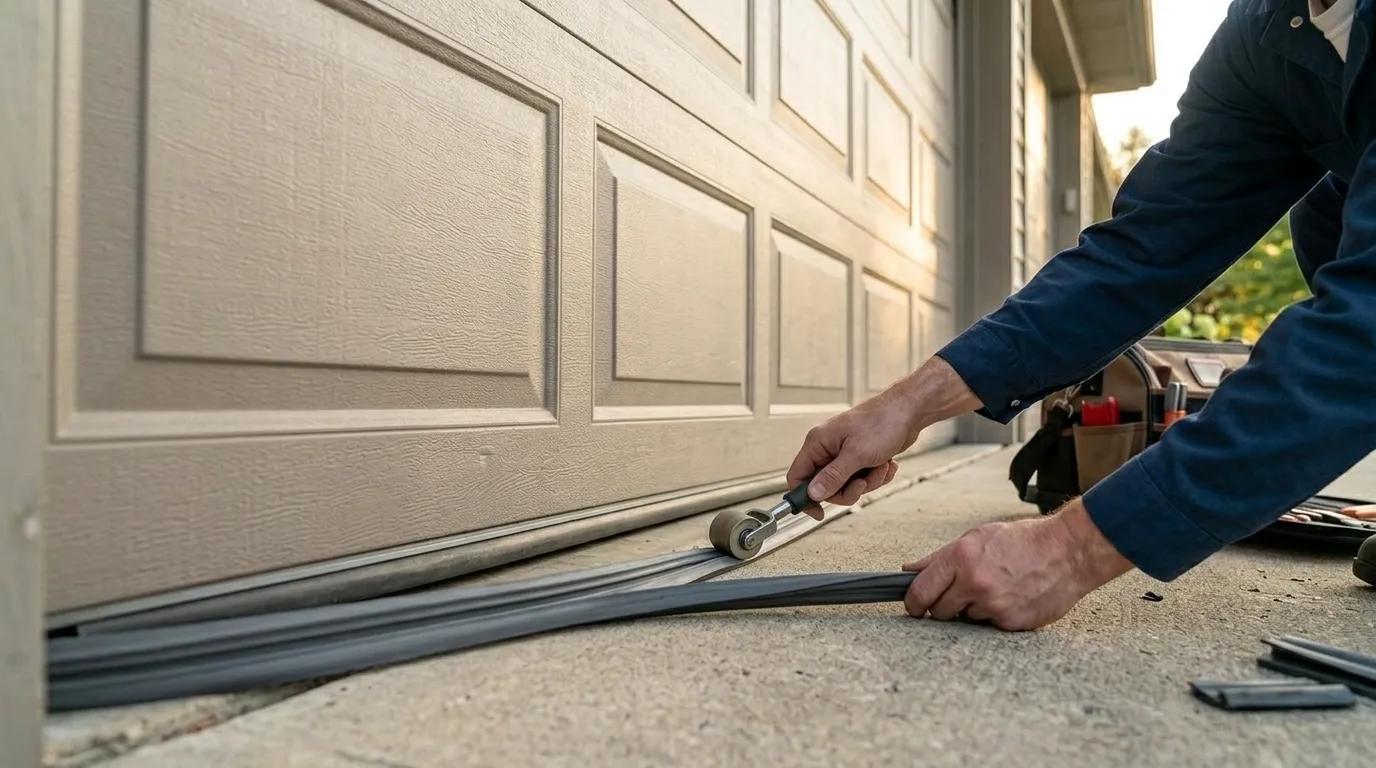
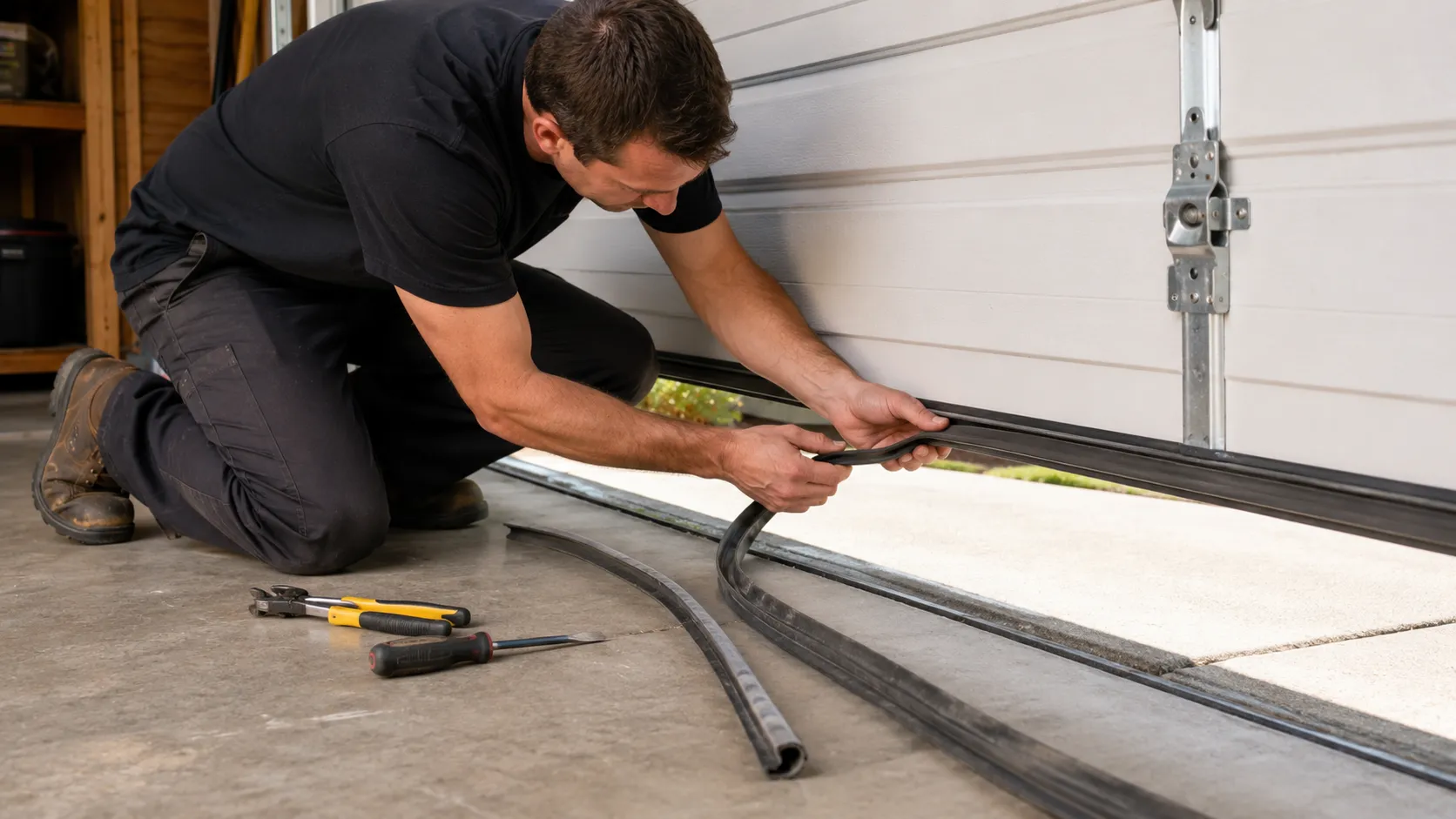
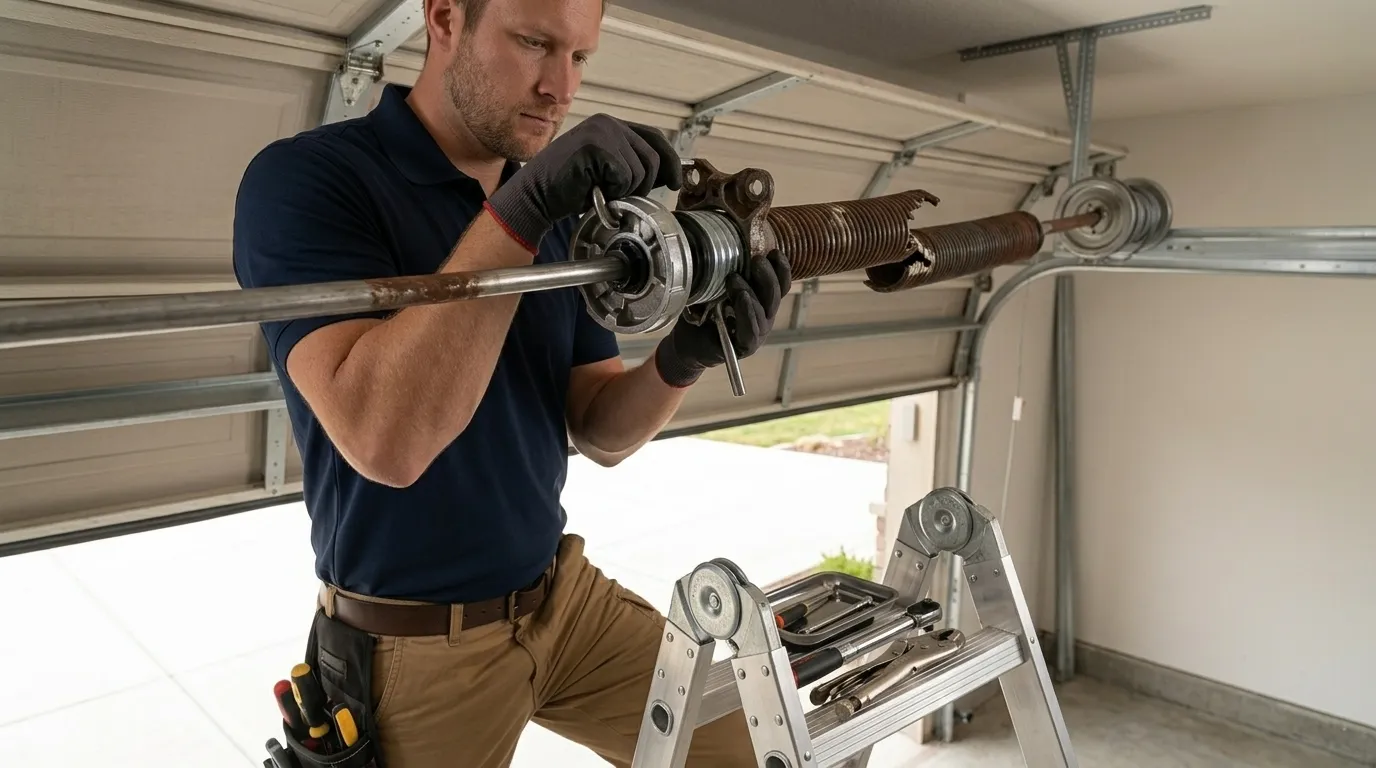
The calls we get from this stretch break down predictably. Broken torsion springs top the list, usually on doors that have been cycling on the same spring set since installation decades back. Cable and roller replacement comes next - steel rollers on old track wear grooves that plastic rollers won't fit right, so that's a judgment call we make on site rather than over the phone.
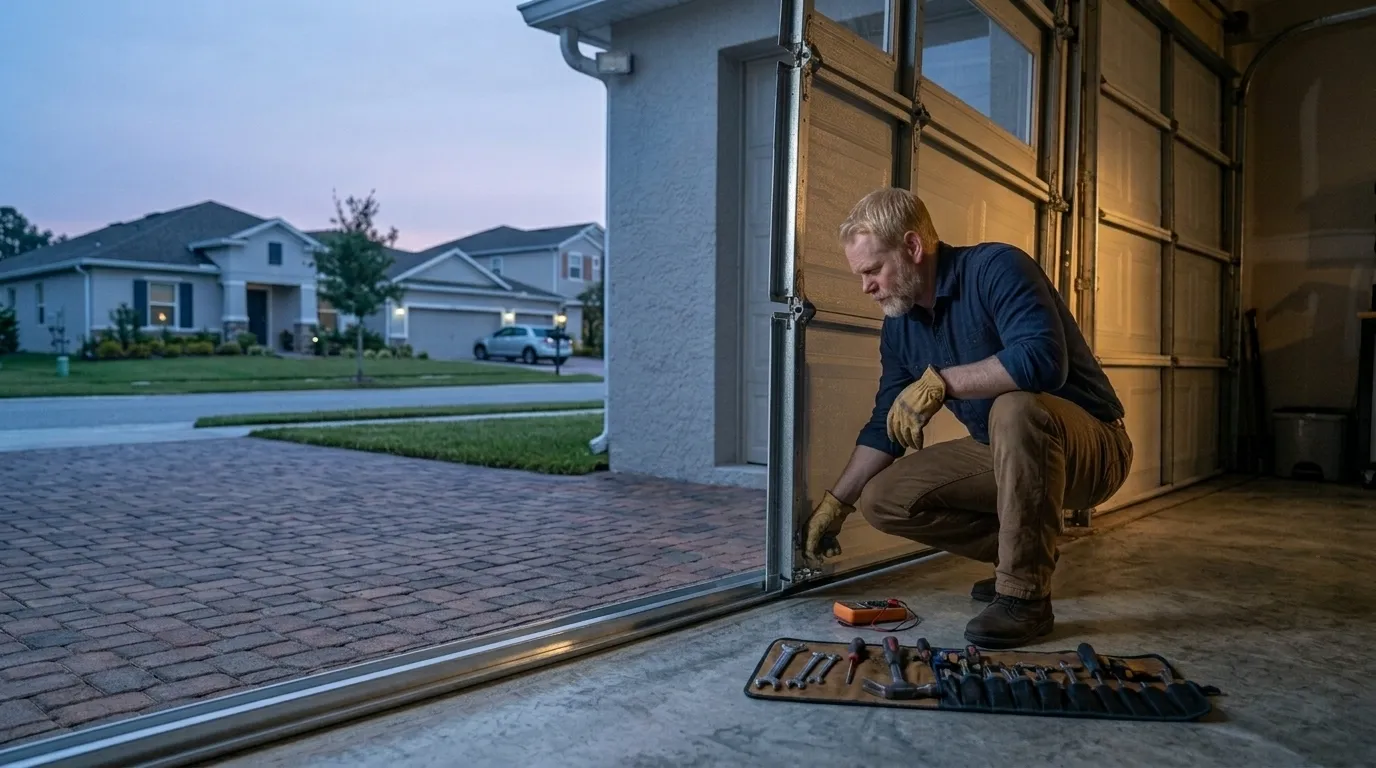
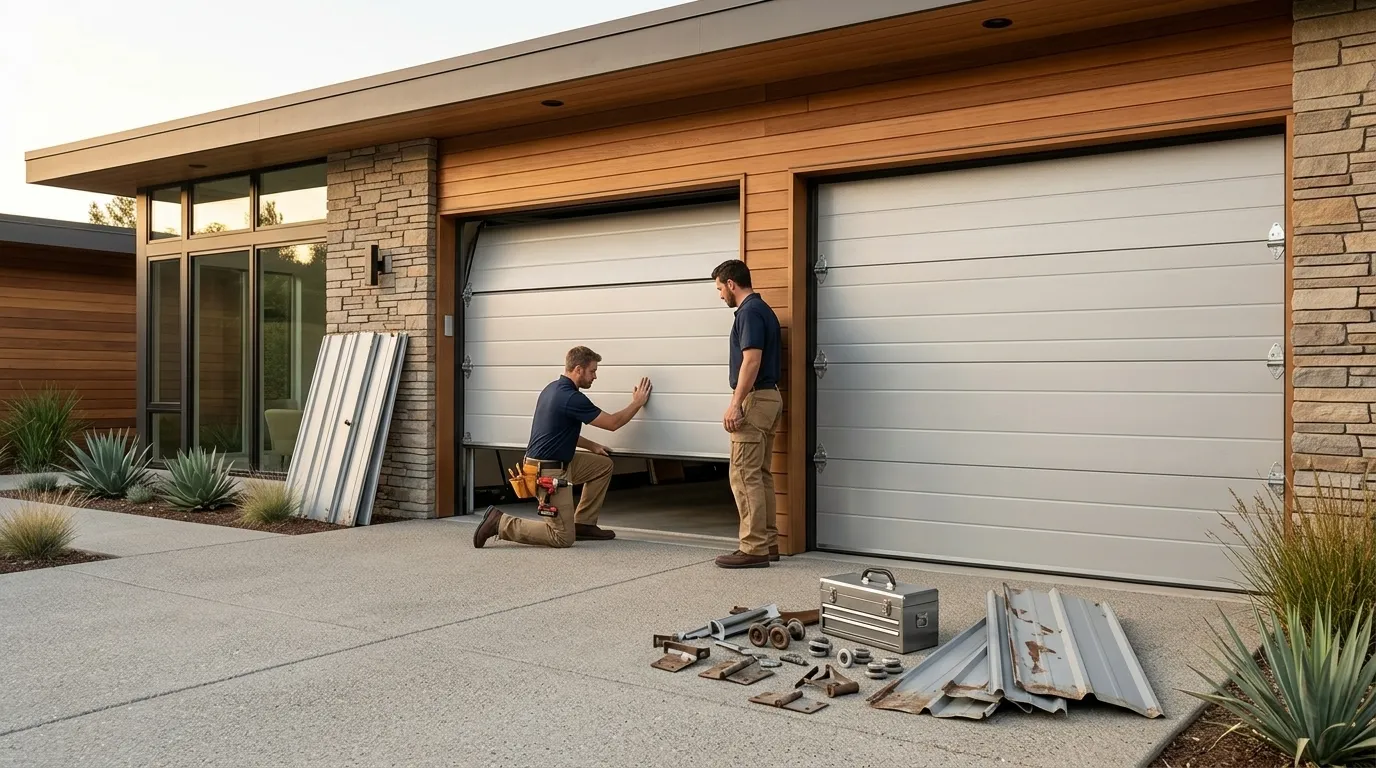
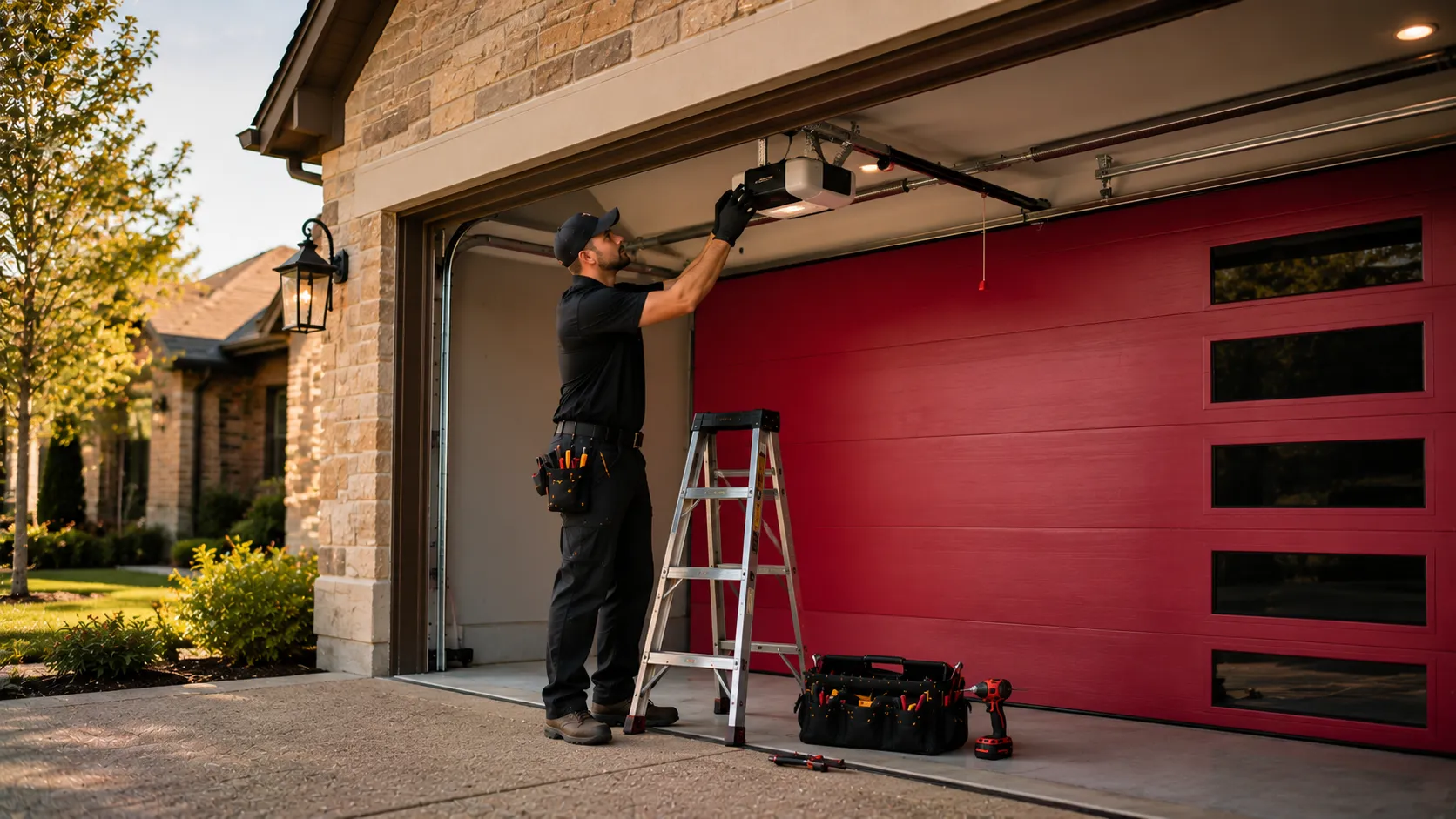
Chicago winters put real stress on this hardware. In a cold-climate market like this, moisture and temperature swings work grease out of bearings and stiffen springs, which shows up as doors that bind or reverse partway up. We also get opener replacement calls where the door and track are sound but the motor's given out - that's often the cheaper fix versus a full door swap, and we'll tell a homeowner that straight when it applies. One honest limit: if a door's original steel panels are rusted through at the bottom and the track is bent from age, patching it usually costs more over time than replacing the door outright, and we'll say so instead of running up a repair bill on a door that's done.