This Area's Housing
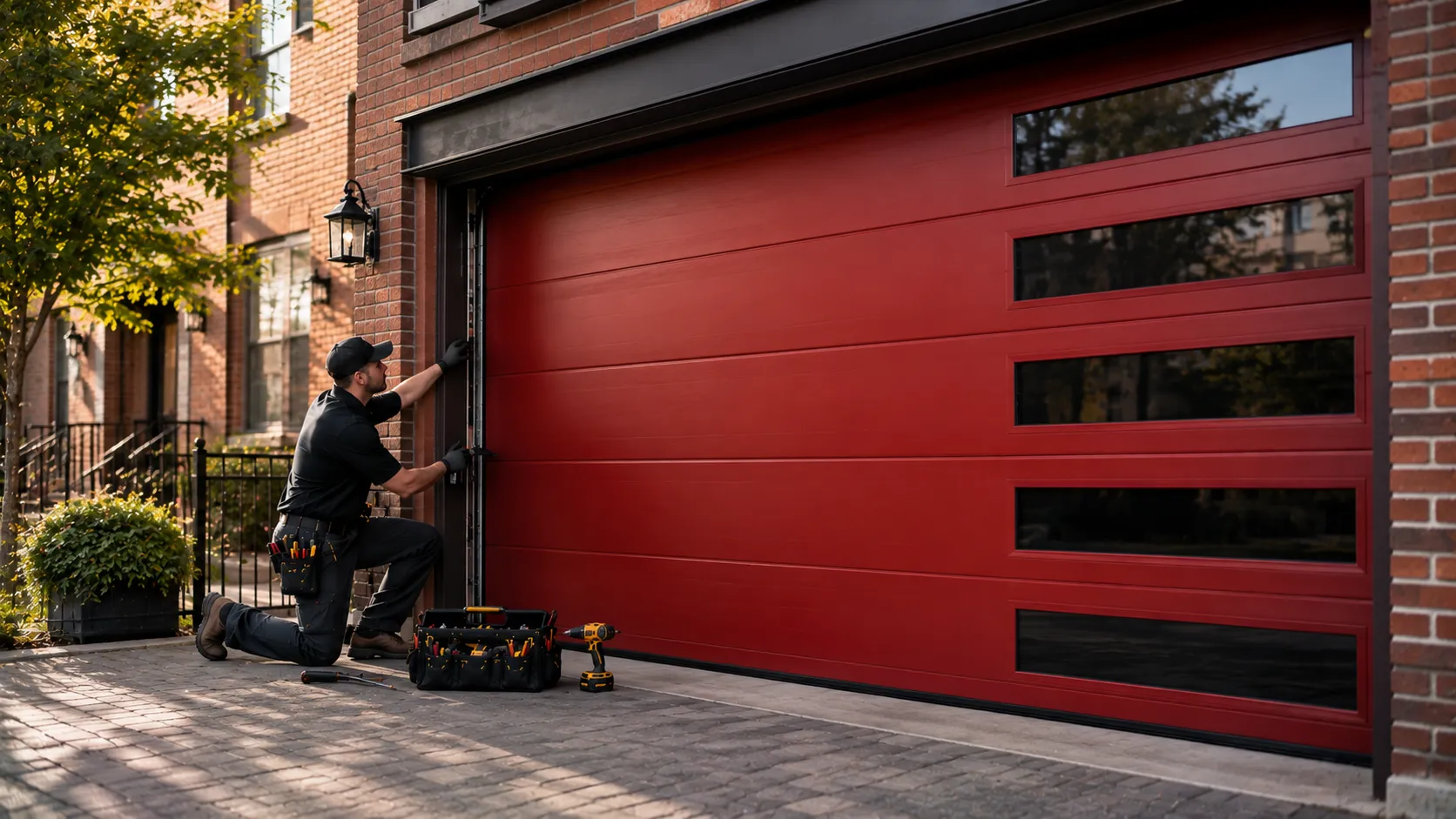
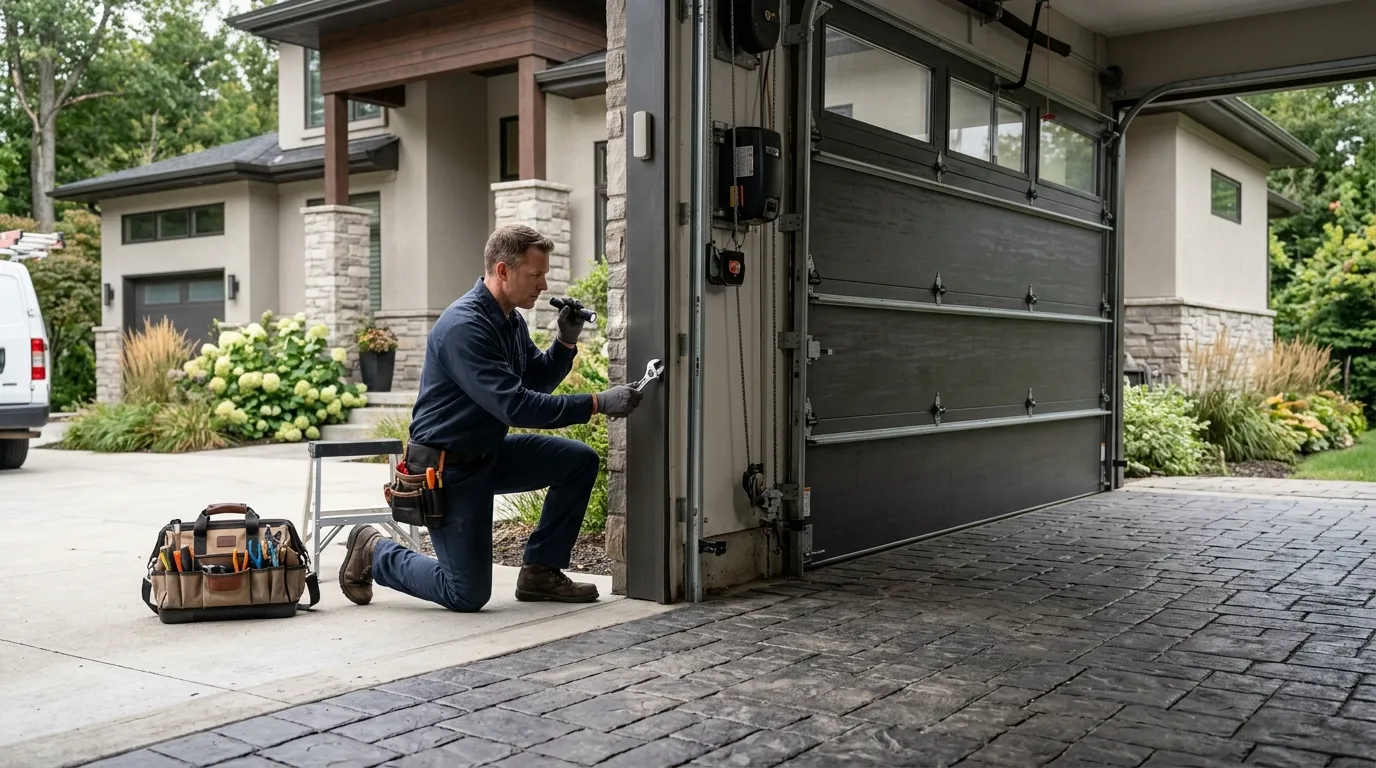
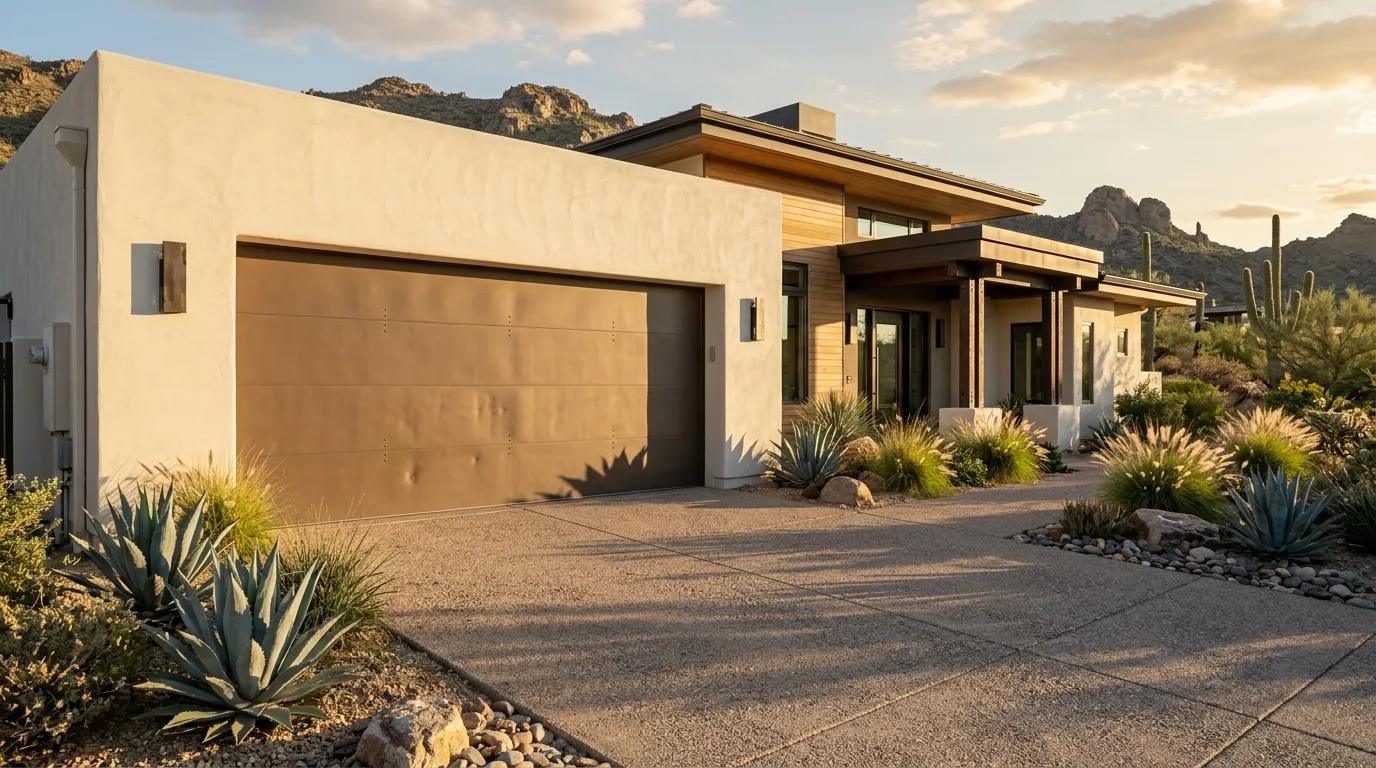
Westchester's houses cluster around a median build year of 1957, which puts most garages here about seven years ahead of the wider service area's 1964 median. That gap matters more than it sounds. A door installed in the late 1950s was almost always a single wide slab on extension springs mounted overhead, not the torsion setup that became standard by the mid-1960s. With roughly 7,084 households in town, a good share of these original openings never got upgraded past a retrofit opener bolted onto the same old track. We still see the extension-spring setups when we're out this way, and they need different parts and different adjustment than anything built even a decade later. If your house has never had the door replaced, there's a real chance what's overhead right now is closer to original than you'd guess.
What That Means for Doors
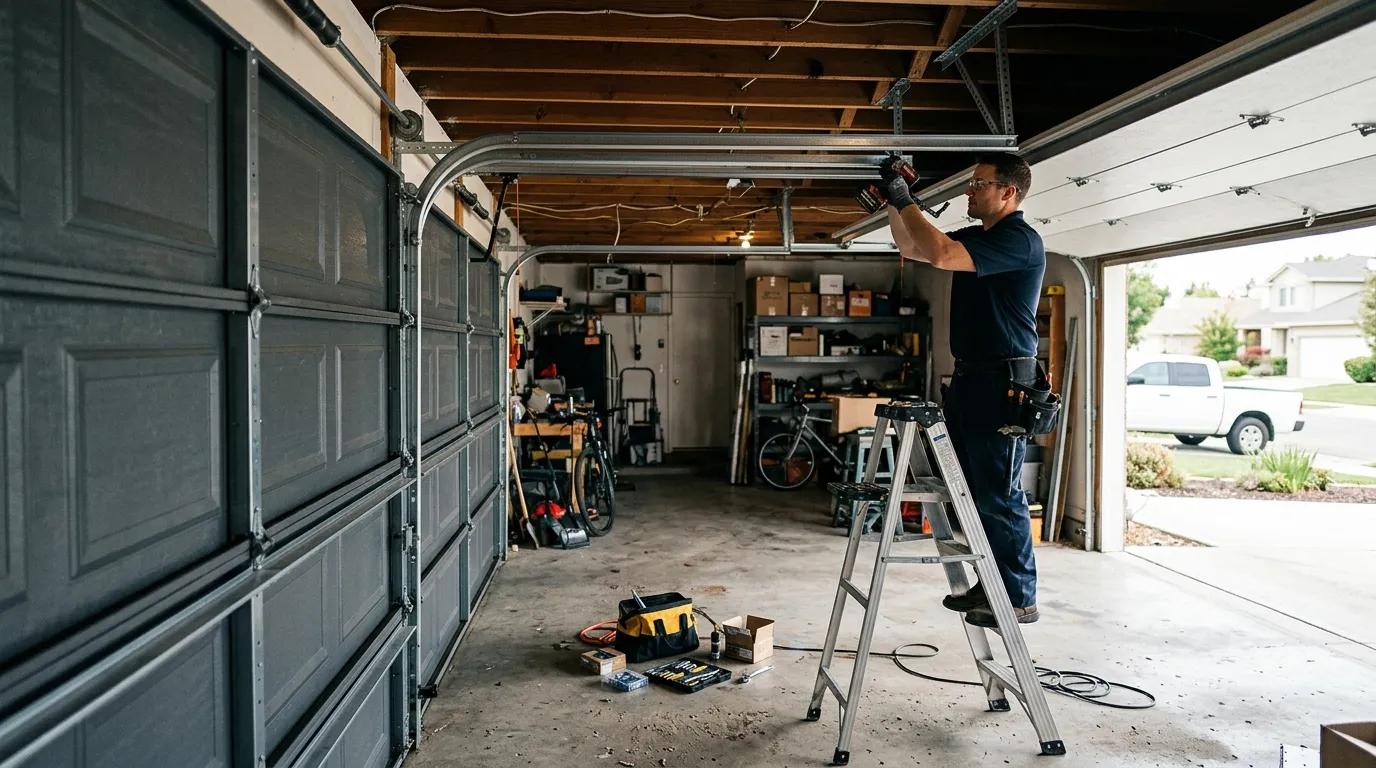
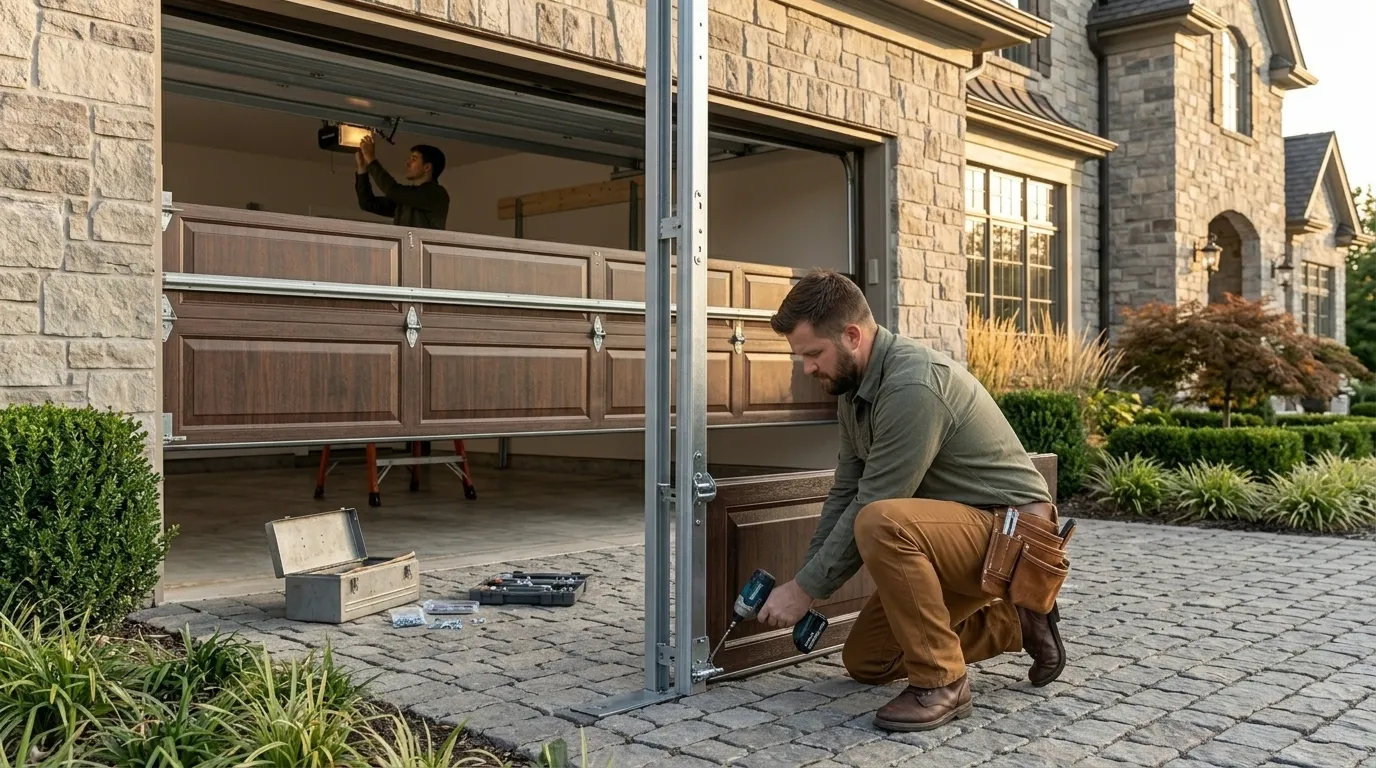
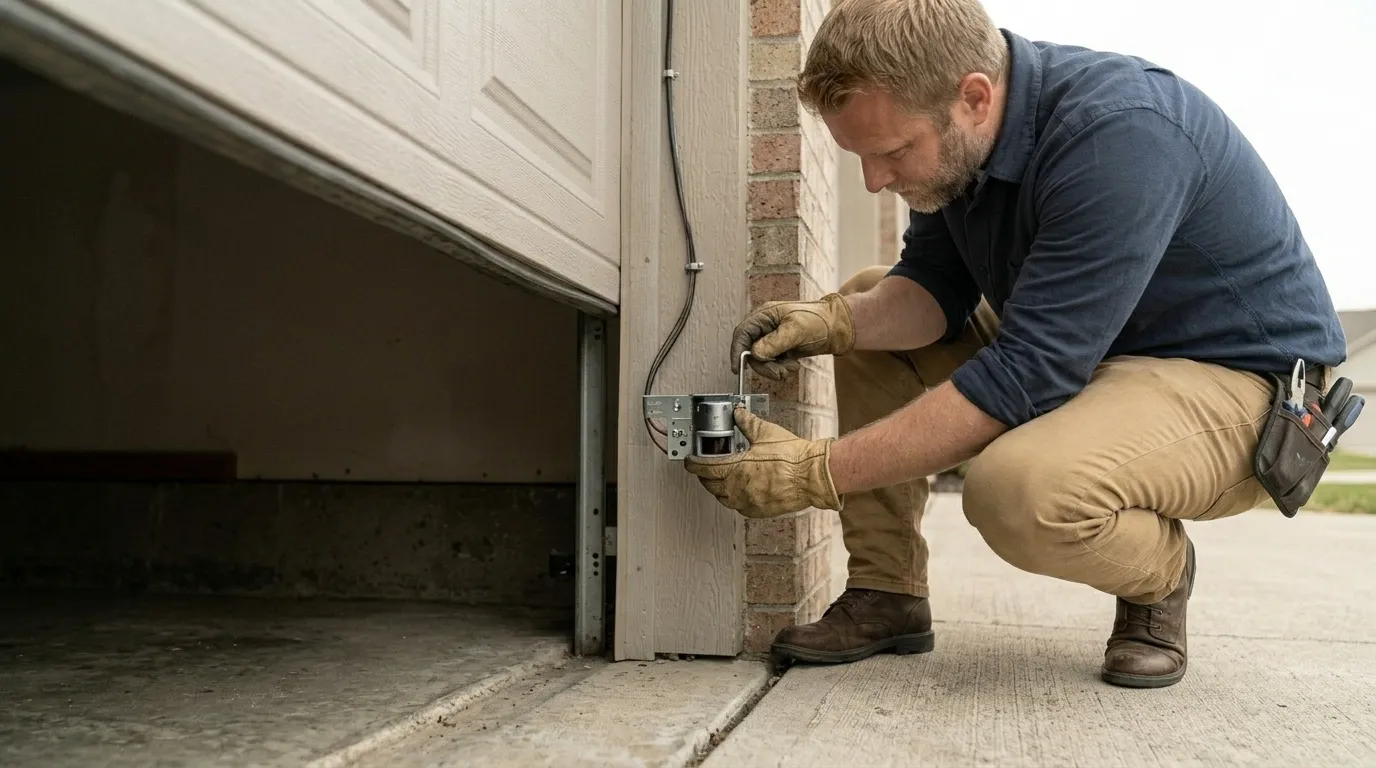
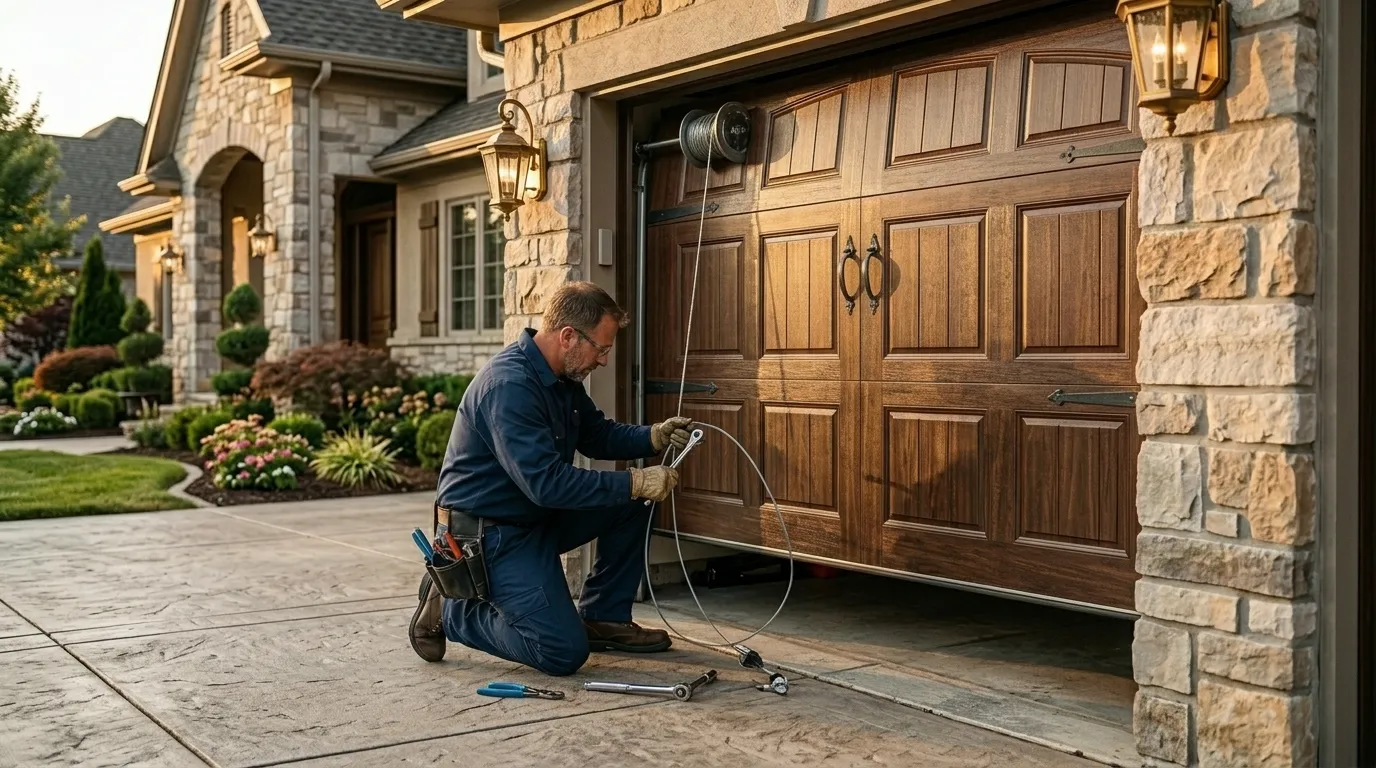
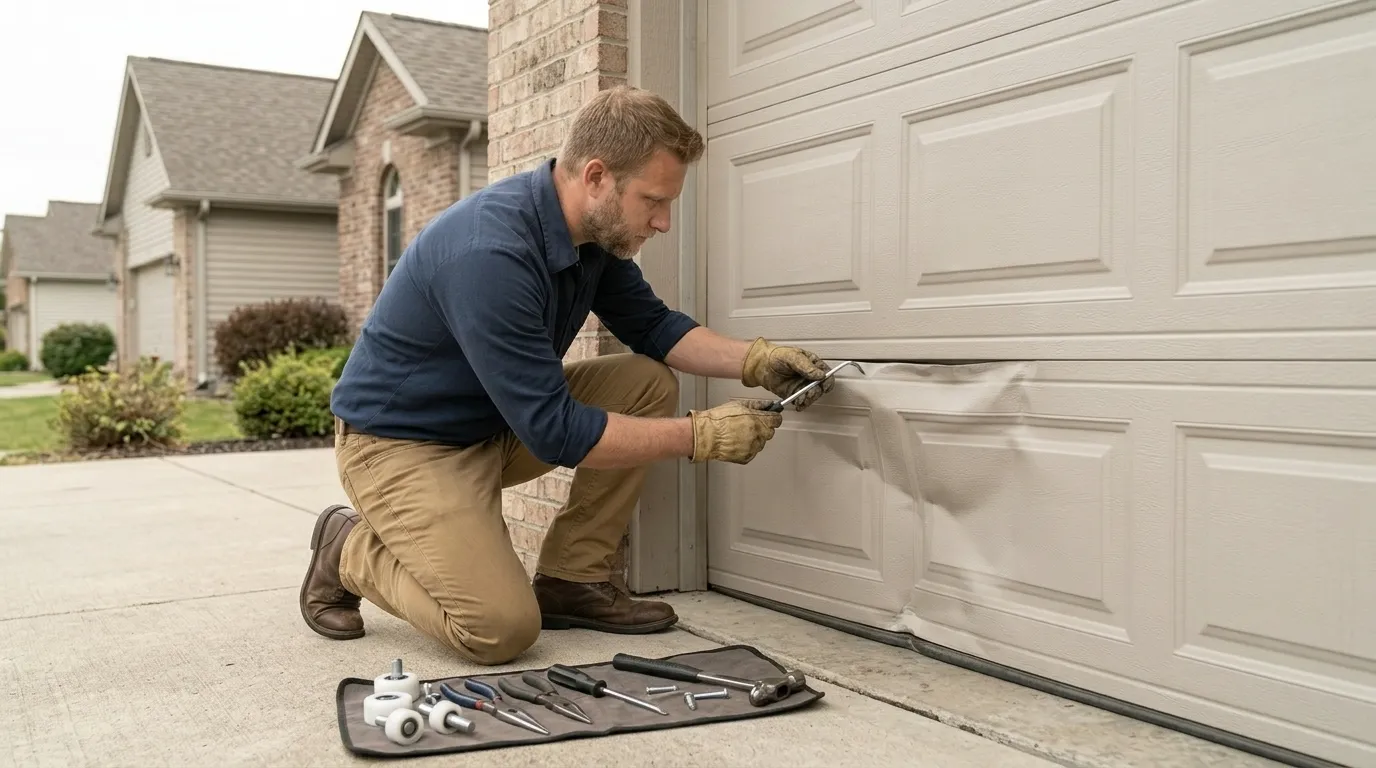
Older extension-spring doors from the 1957 era rely on pulleys and a separate safety cable that a lot of newer techs aren't used to servicing, because most training now assumes torsion springs. That's a real gap, and it's why some repair calls in Westchester take longer than the same complaint would on a newer door in a newer subdivision. Winters here fall in the cold moderate band, and on original hardware that's decades old, cold makes stiff cable and dried lubricant worse - a door that drags in January often ran fine in July on the same worn rollers. Median household income in Westchester runs $103,561, well above the $80,202 median across our whole coverage area, and we mention that only because it tends to mean more owners choose full replacement over patching old parts once a spring or cable finally lets go. Both are legitimate calls. We'll tell you honestly which one makes sense for what's actually on your garage, not what's easiest for us to sell.
What People Here Ring About
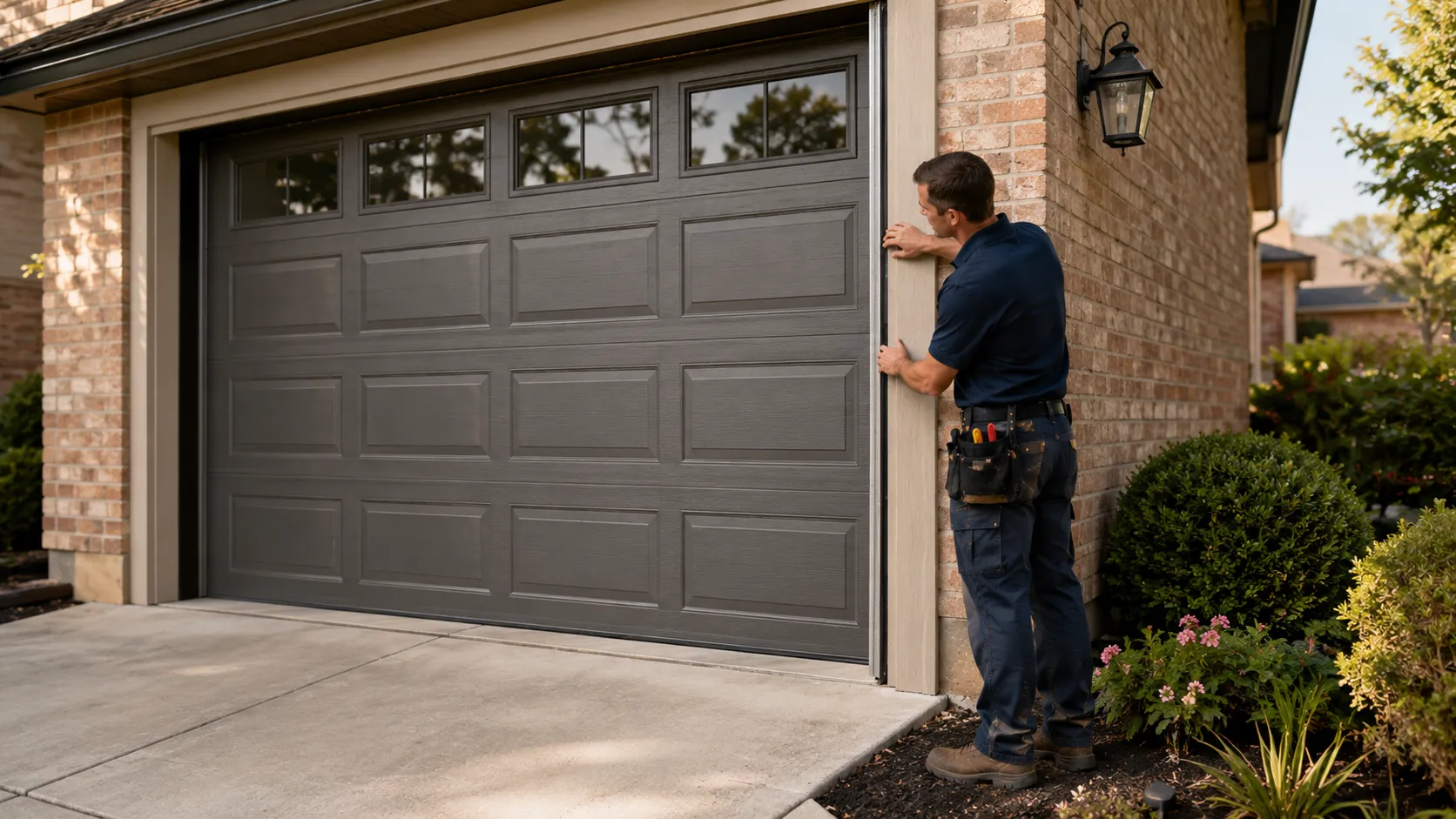
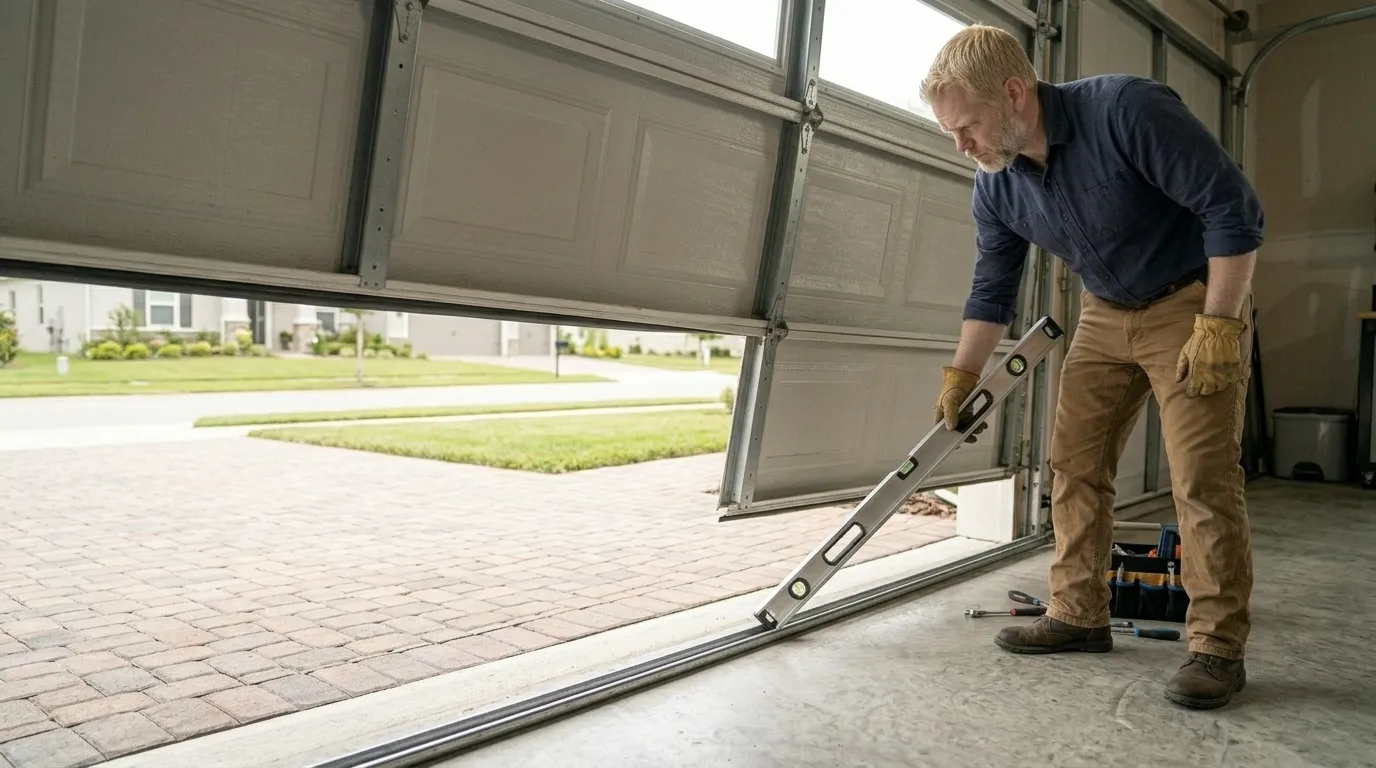
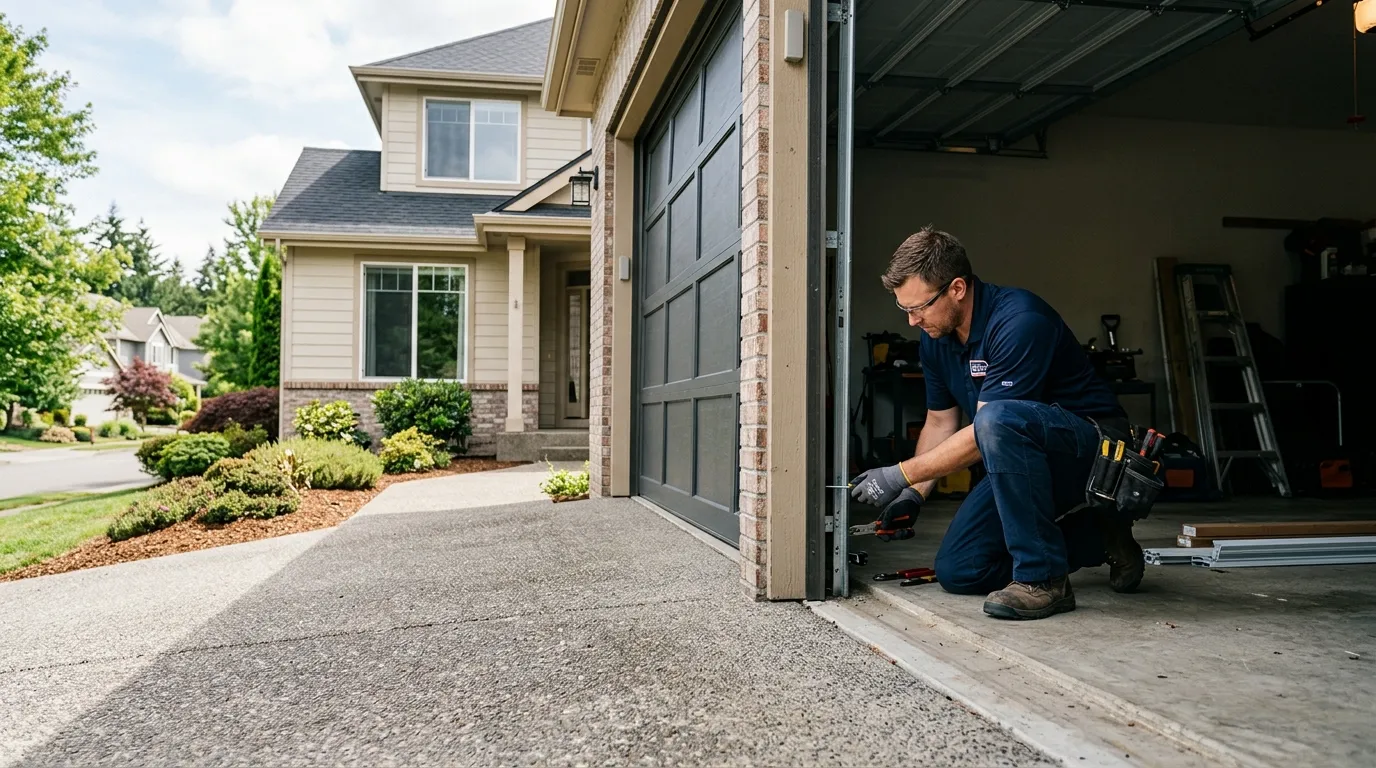
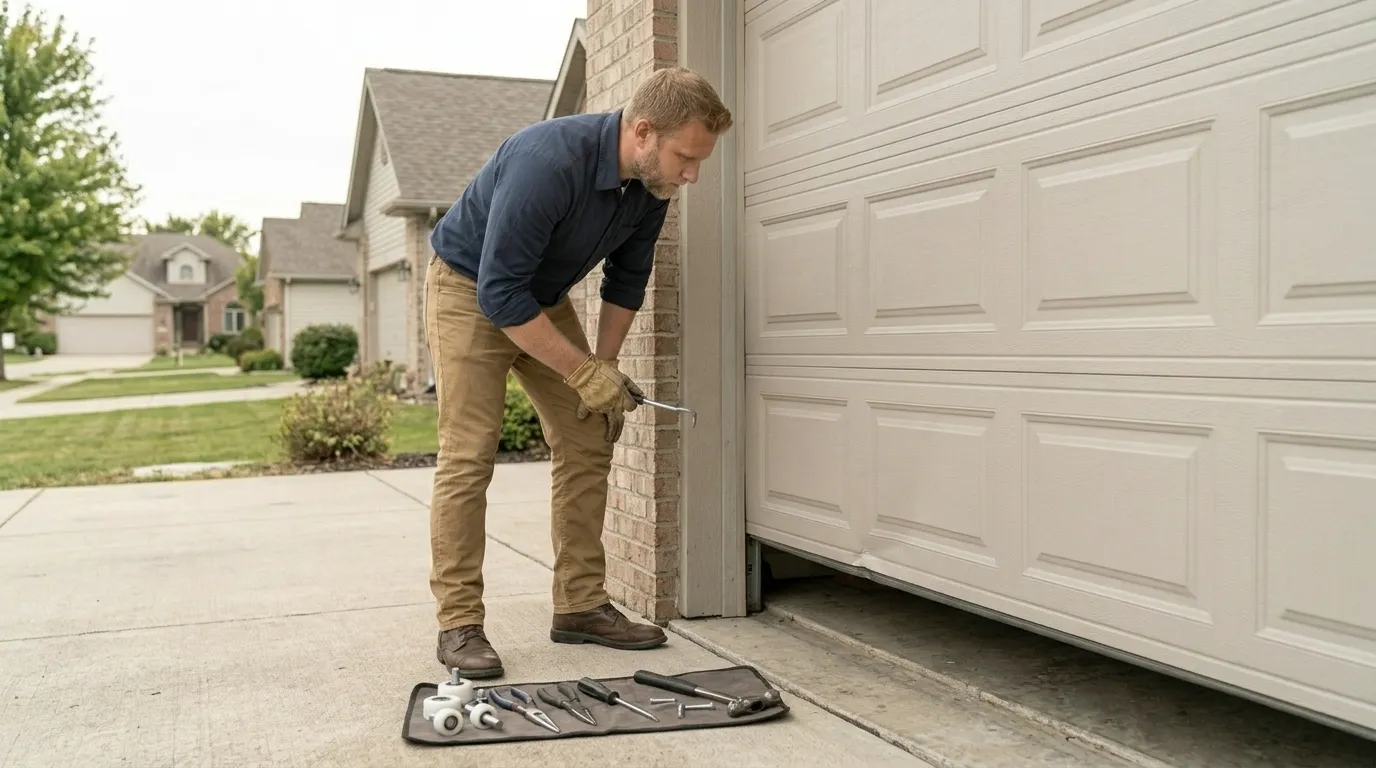
Given the housing age, the calls we get from this area lean toward extension spring failure, worn pulley cable, and openers that were added after the fact and now fight the original track alignment. Some of these doors have had one replacement in their life and are due for a second - if a spring already snapped once on the same door, the other one is usually close behind. We also hear from owners whose door works fine most of the year but sticks or drags once the cold moderate winters set in, which is often lubrication and worn rollers rather than anything structural. What we won't do is tell you a 65-year-old door needs full replacement over the phone without seeing it - sometimes it does, sometimes a properly adjusted extension spring system has years left in it.