This Area's Housing
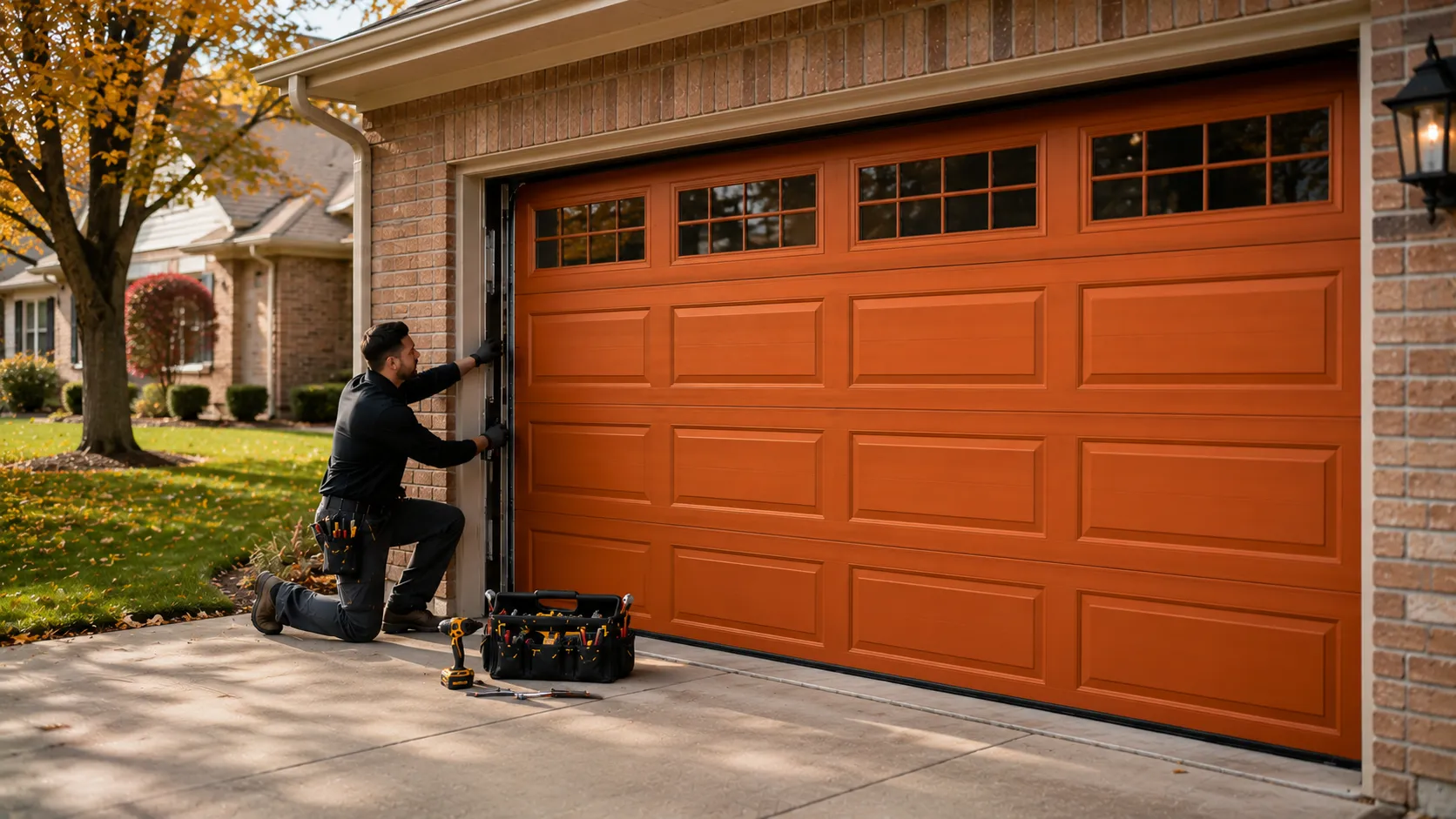
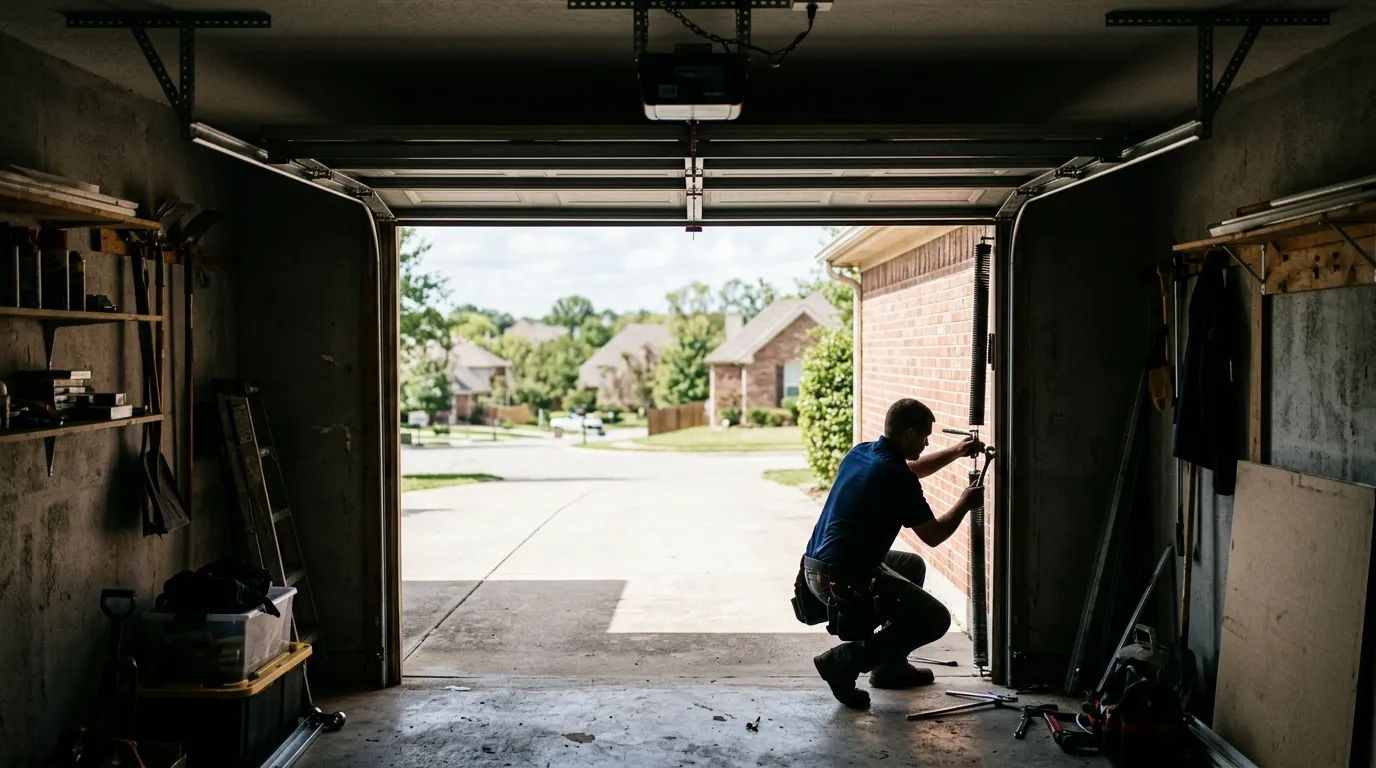
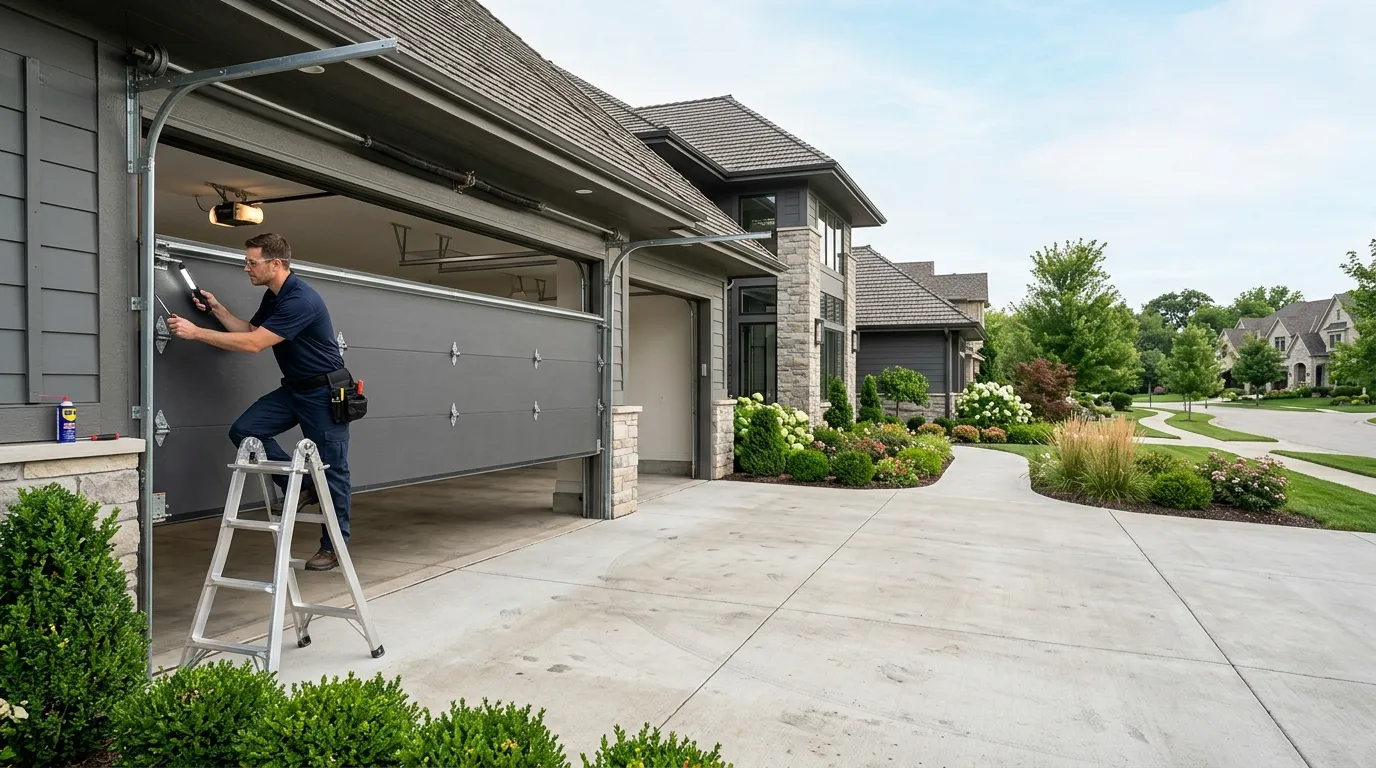
Western Springs sits at a median build year of 1960, right in the middle of the 1938-1994 range we see across this whole service area, and it lines up with the broader pattern of 1960s-70s stock that shows up in the 86 named communities we work. That means the garage doors on most streets here aren't new installs - they're original or first-replacement doors on hardware that was standard for a early-60s build: steel sectional panels, torsion springs sized for lighter door weights than what's sold today, and tracks mounted the old way, low to the header.
With 4,475 households in the area and a median income of $218,839 - well above the $80,202 median we see across the wider 461,017-household service area - a fair number of these houses have already had one round of upgrades: insulated doors, quieter belt-drive openers, sometimes a full re-hang. But plenty haven't. We still get calls where the spring is the same one that went up with the house.
The honest note here: if your door is original to a 1960 build, the springs are past due regardless of whether they've broken yet. We don't push replacement on anything that's still working fine, but we'll tell you straight if a repair is a stopgap on borrowed time.
What That Means for Doors
A door that went up around 1960 was built for a different set of expectations than what's sold now. Panels were thinner steel, often without foam-fill, which means the door itself weighs less - and that changes the spring rate. If someone's replaced the door over the years without recalculating spring tension for the new panel weight, the opener strains on every cycle, even if it doesn't sound wrong yet.
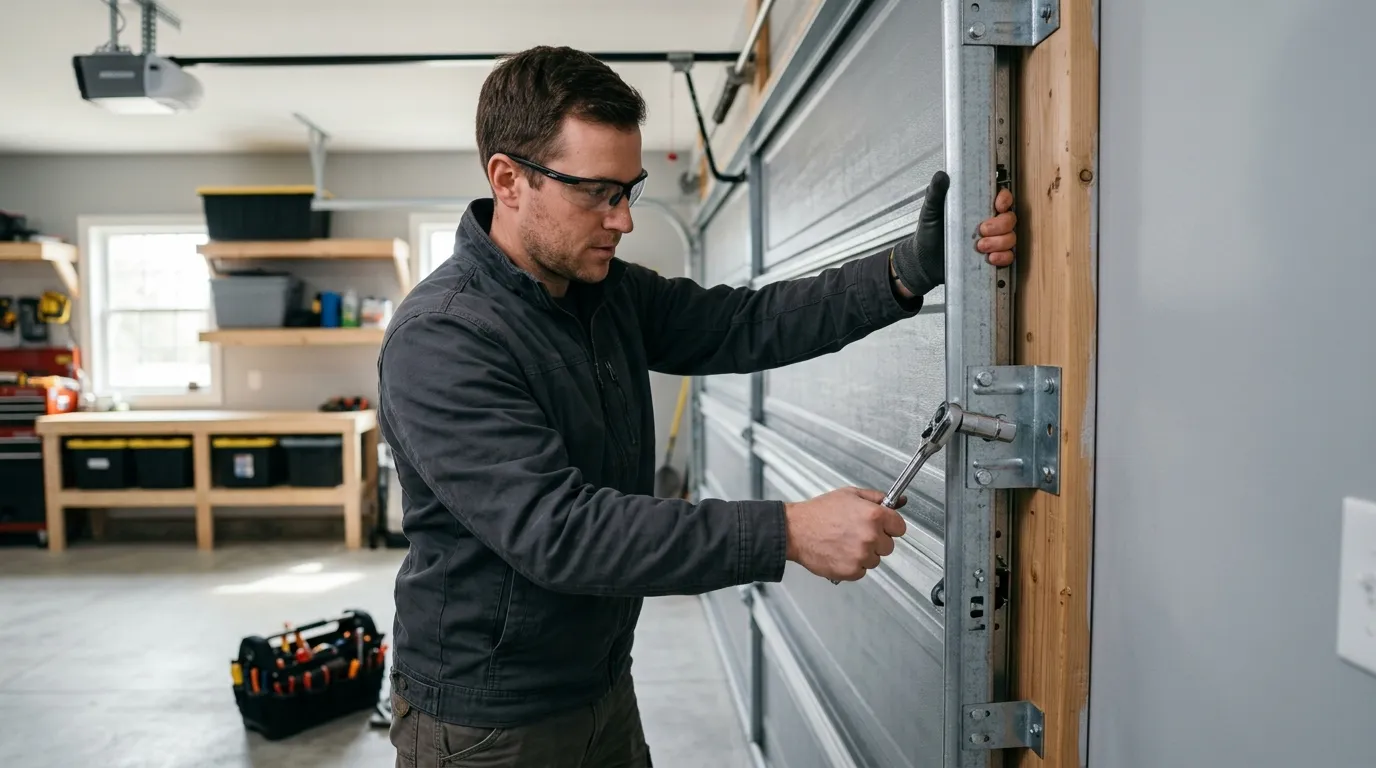
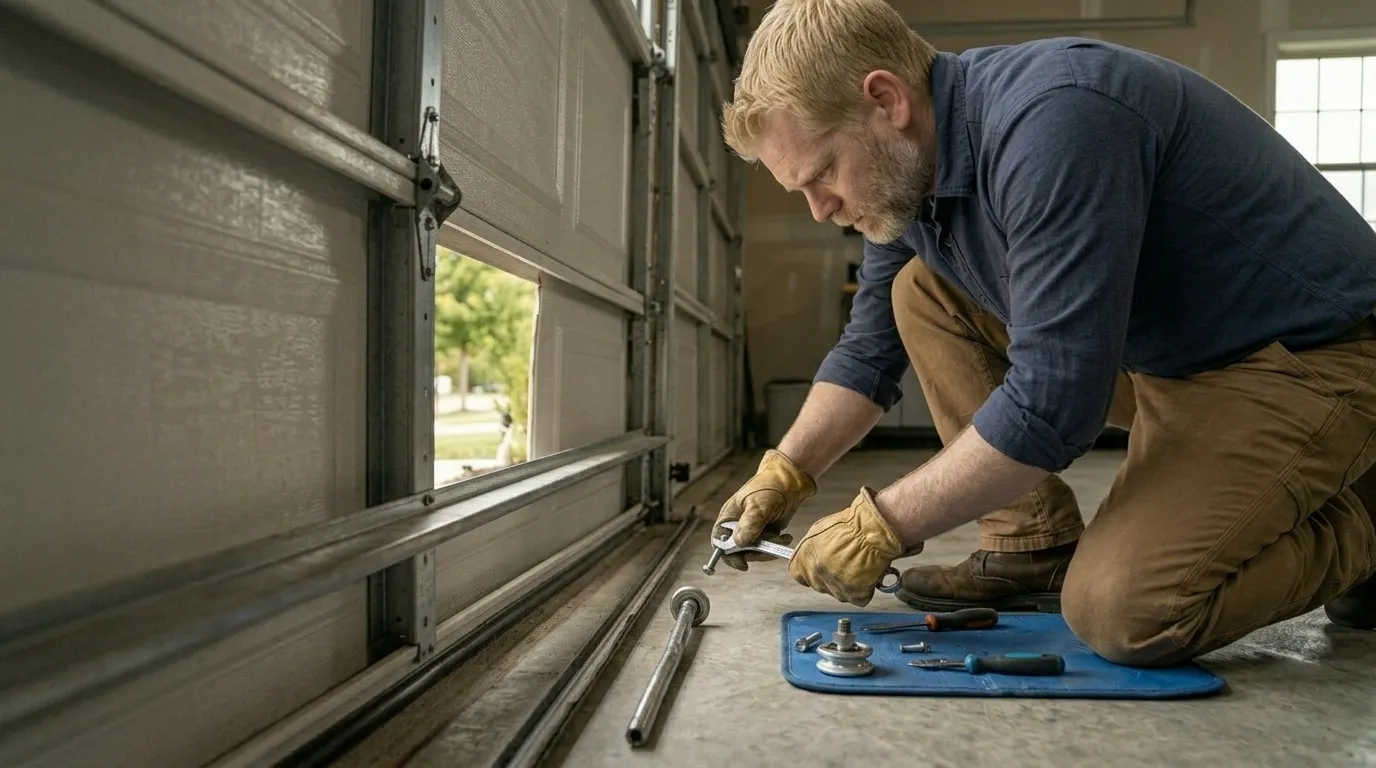
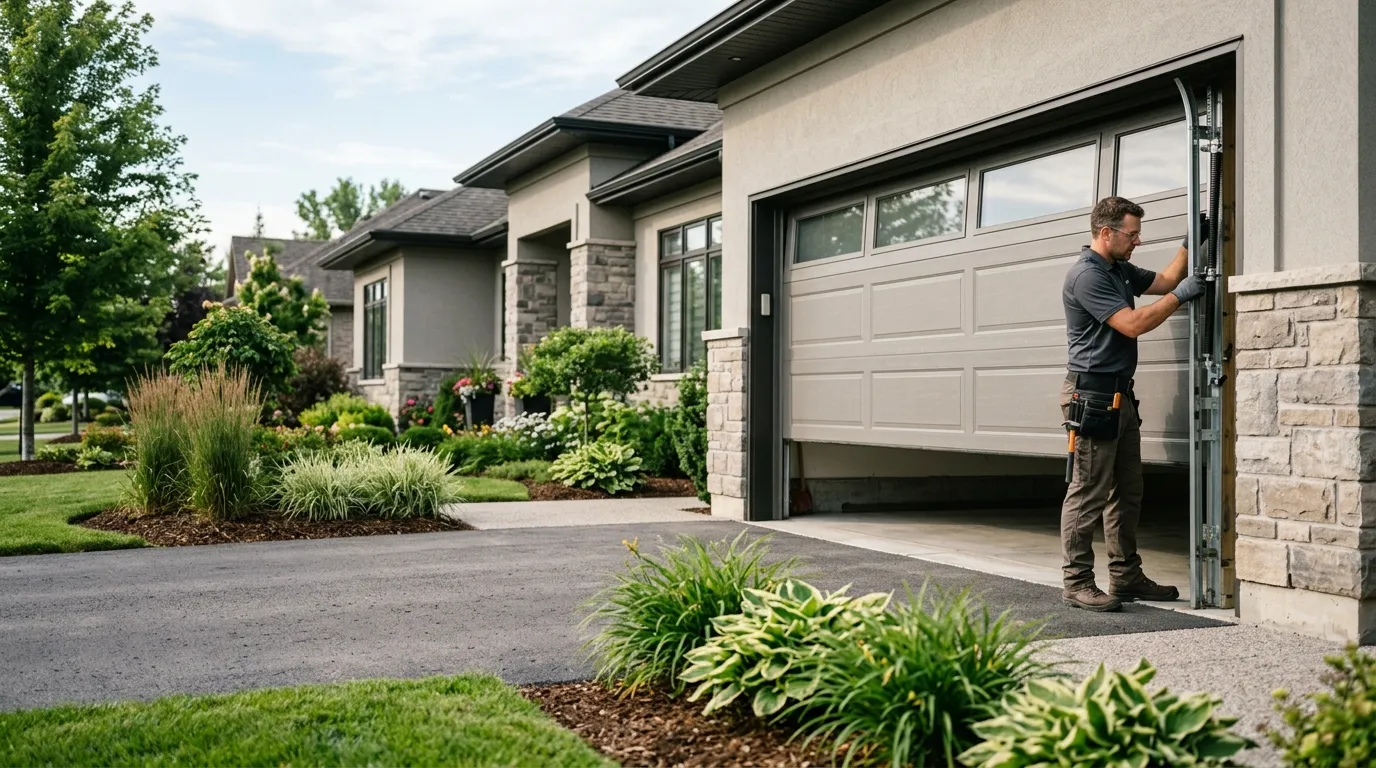
Track hardware from this era also tends to be the older low-headroom style, mounted for a full-size torsion setup rather than the compact shaft systems common in new builds. Parts for that older bracket style aren't always sitting on a shelf - this is one spot where lead time on a specific bracket or drum can run longer than the spring itself, and we'll tell you that up front rather than promise a same-visit fix.
Given the income level in this area, we also see more owners choosing full opener upgrades - belt drives, battery backup - rather than patching an aging chain-drive unit. Neither choice is wrong. We size the repair to what the door and the budget call for, not the other way around.
What People Here Ring About
Given a median build year of 1960, the calls we get from Western Springs skew toward age-related failure rather than storm damage or accident damage. Torsion springs that have simply cycled out - original springs on original doors don't last sixty years no matter how well they were installed. Openers from a first- or second-generation replacement, usually chain-drive units, grinding or failing to reverse cleanly.
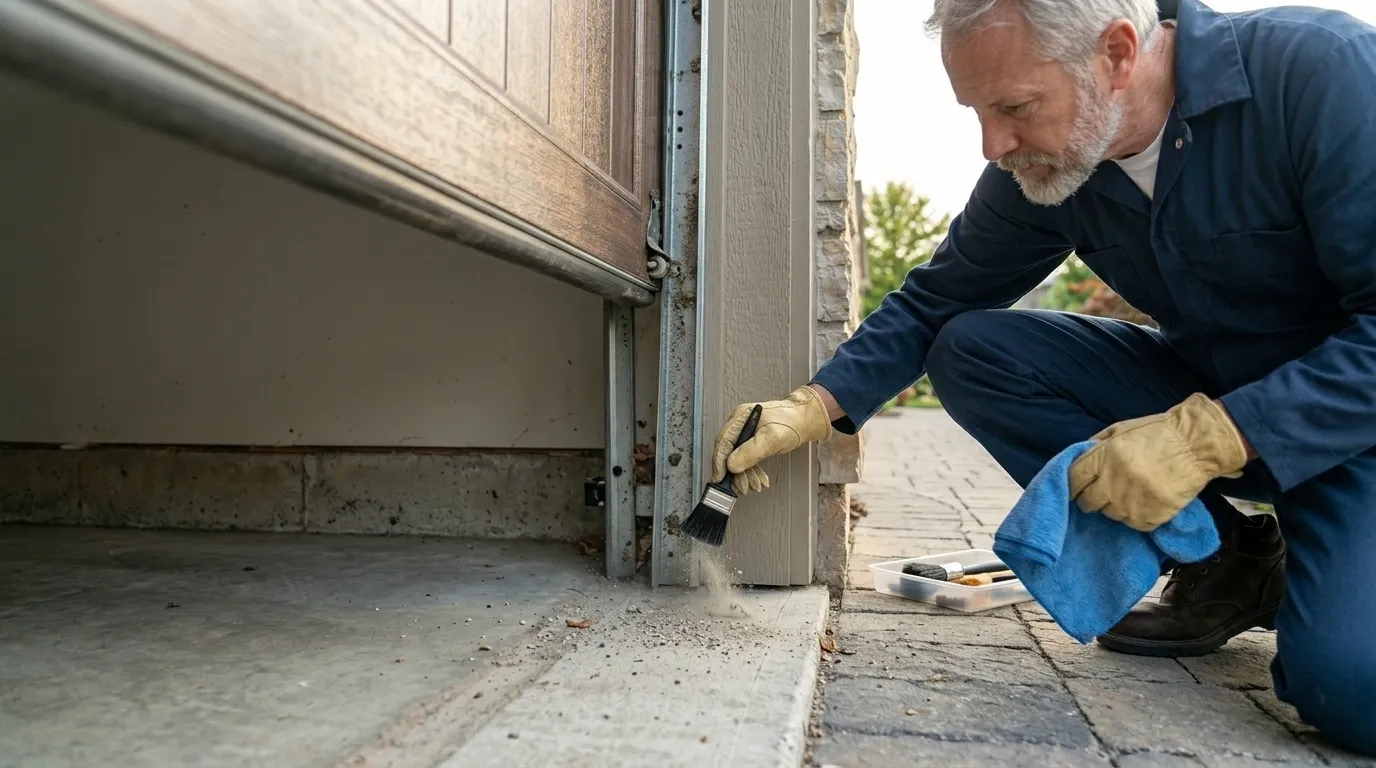
We also hear from owners who've had a bracket or roller replaced piecemeal over the years and now have a door running on mismatched hardware, which shows up as a door that binds on one side or drifts off-track. That's common on a house this age where three or four different people may have touched the door over sixty years.
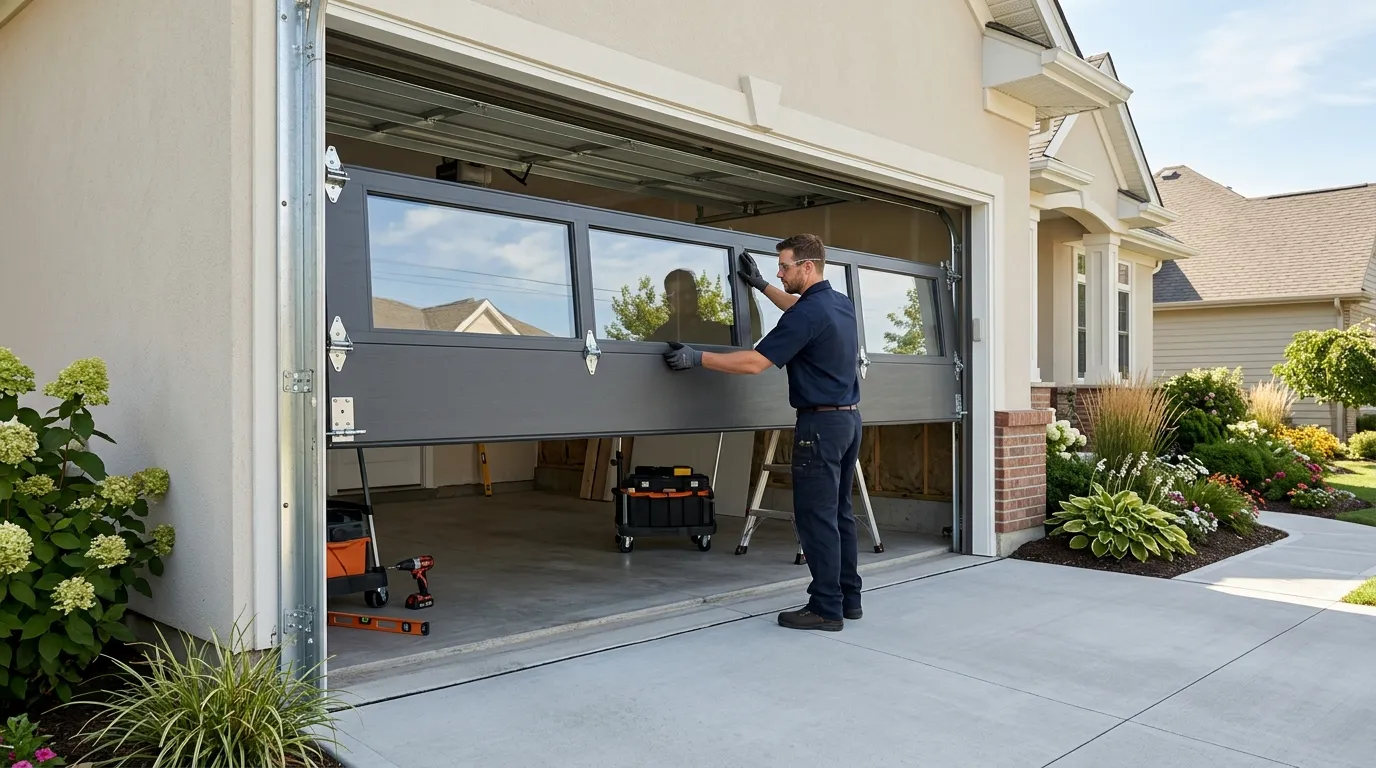
Less common but real: full door replacement calls, usually from owners upgrading to an insulated door to better handle the cold-moderate winters this area sits in. We'll always look at repair first - replacing a door that just needs a spring and a tune-up isn't a fix we recommend, even when it's the bigger job.