This Area's Housing
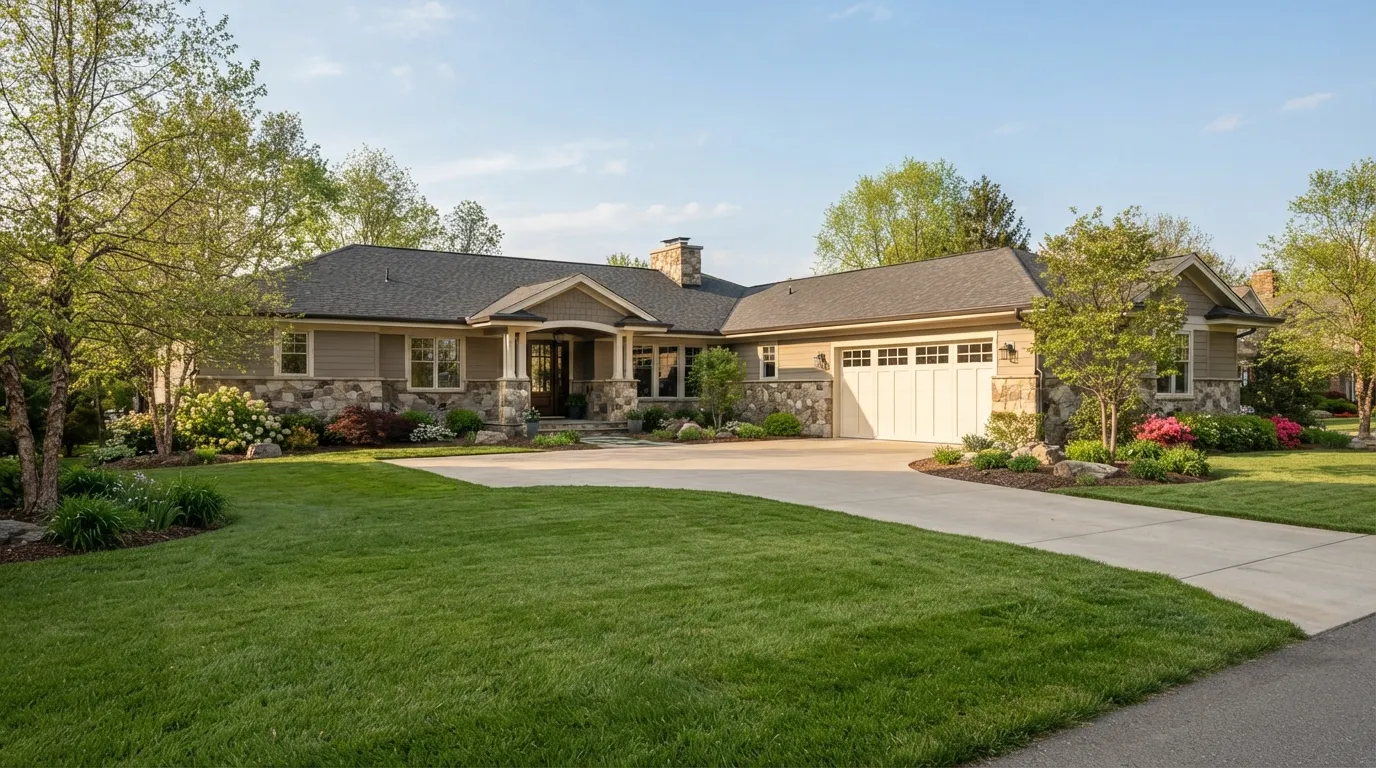
Most garages in this part of town went up around 1976, which puts the housing stock here a decade or so past the median year built across the wider service area (1964). That gap matters more than it sounds. A garage built in the mid-1970s usually came with a steel sectional door, an extension-spring setup instead of a torsion bar, and an opener that's had at least one or two replacements since. Roughly 10,599 households sit in this area, smaller than the 461,017 across the full service area we cover, but the housing here is more uniform in age, which means the failure patterns repeat more predictably from block to block. Median household income here runs about $83,622, a bit above the $80,202 median across the broader area. In practice we see that show up as more owners choosing a full opener or door swap over a patch repair when a part finally gives out, since the budget for doing it right the first time is usually there. None of that means every garage on the block is identical - additions, remodels, and prior repairs mean some doors have already been swapped out for newer stock. But if you haven't touched yours since it was built, 1976-era hardware is a reasonable starting guess.
What That Means for Doors
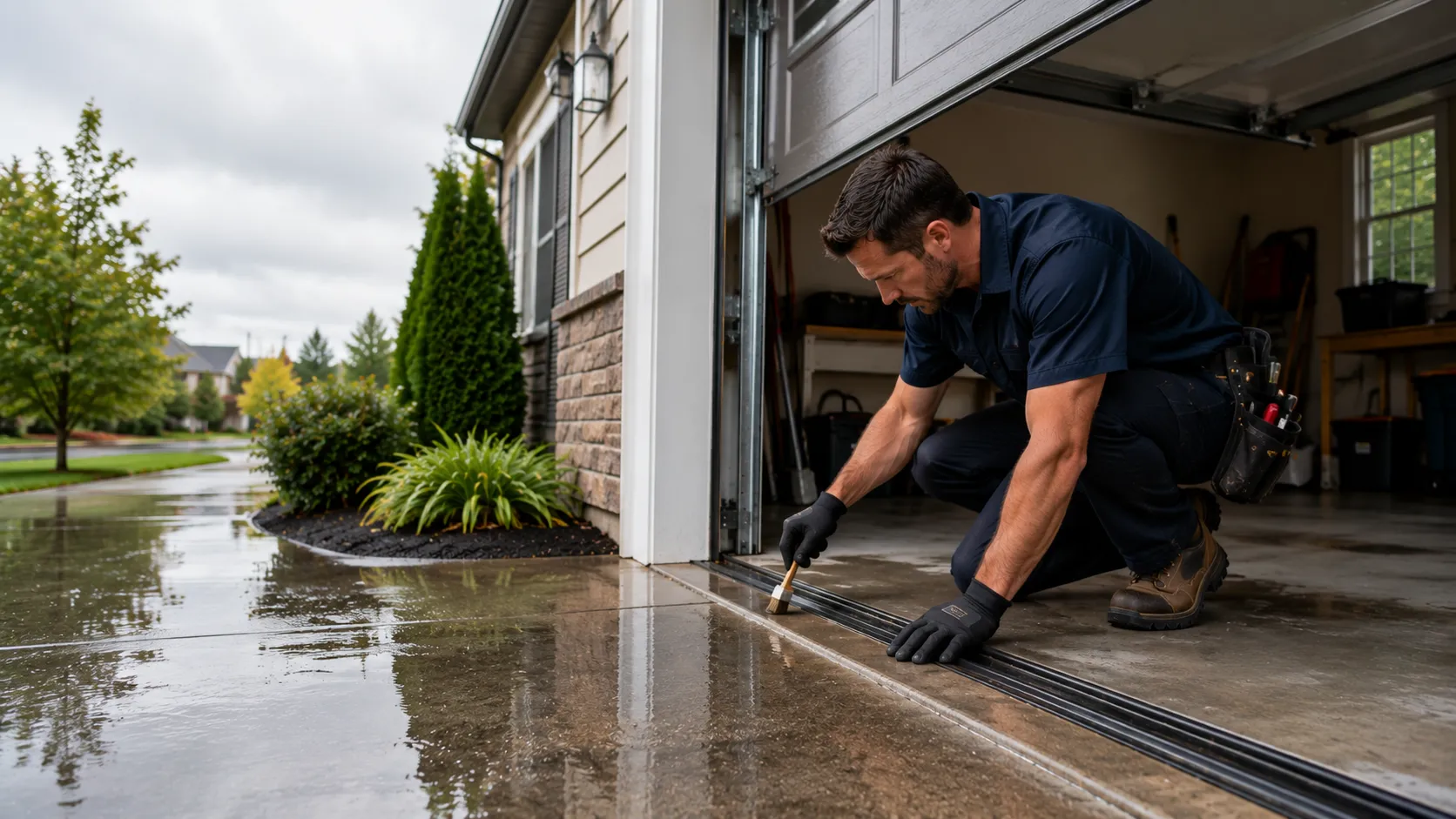
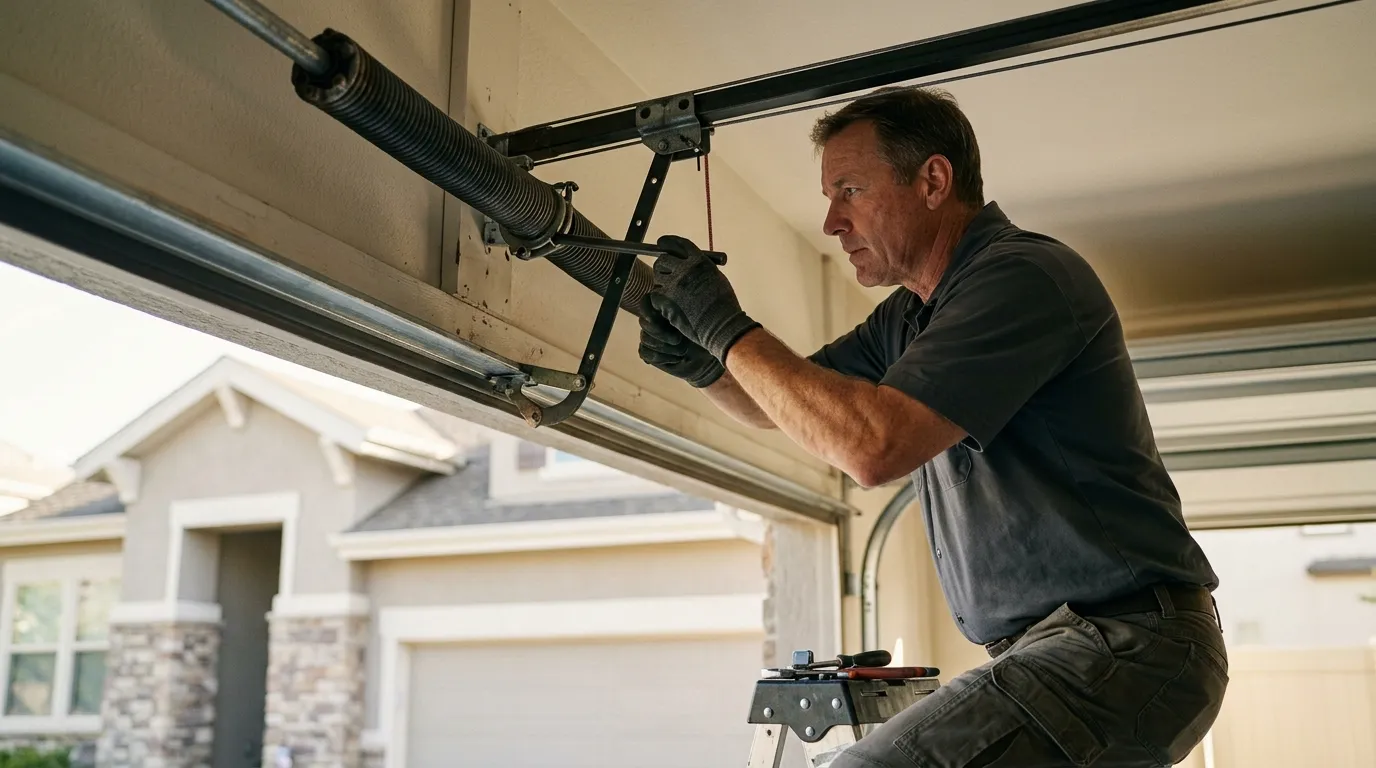
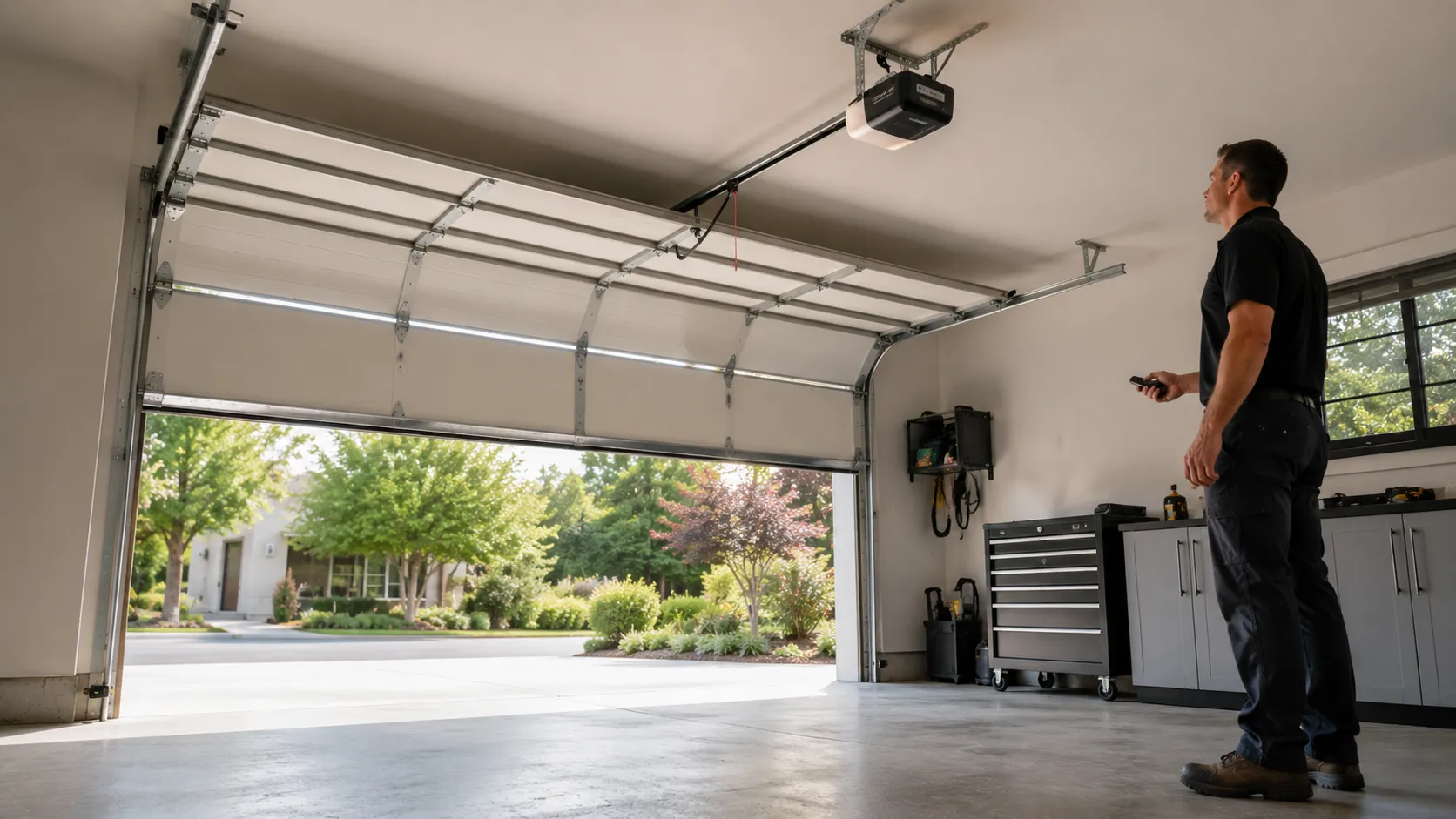
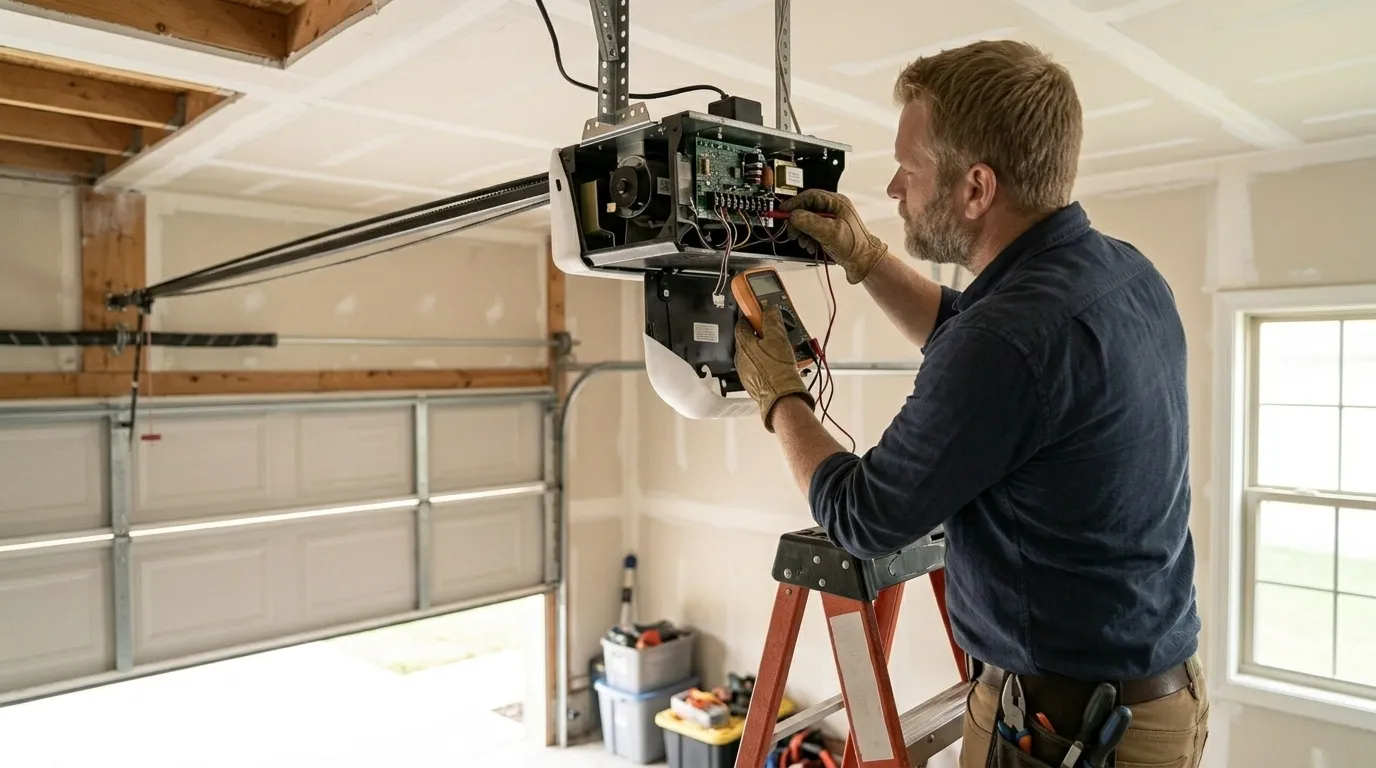
The climate band here runs cold with moderate swings through the year, which is hard on the parts that flex and cycle - springs, rollers, cables, and the seals along the bottom of the door. Combine that with the age of the housing stock and you get a specific pattern: extension-spring setups and early chain-drive openers, common on garages built here around the mid-1970s, are the parts we get called out for most. Extension springs don't have the fatigue life of a torsion system, and after forty-plus years of temperature swings, the ones still in service are usually near the end regardless of how the door looks. Openers from that era, or their first-generation replacements, tend to lose lifting power gradually rather than fail outright, so owners often live with a door that's straining for months before it stops entirely. We'll tell you straight when a repair is worth doing versus when the age of the unit means a new opener or spring set makes more sense than chasing parts for a system that's past its practical life.
What People Here Ring About
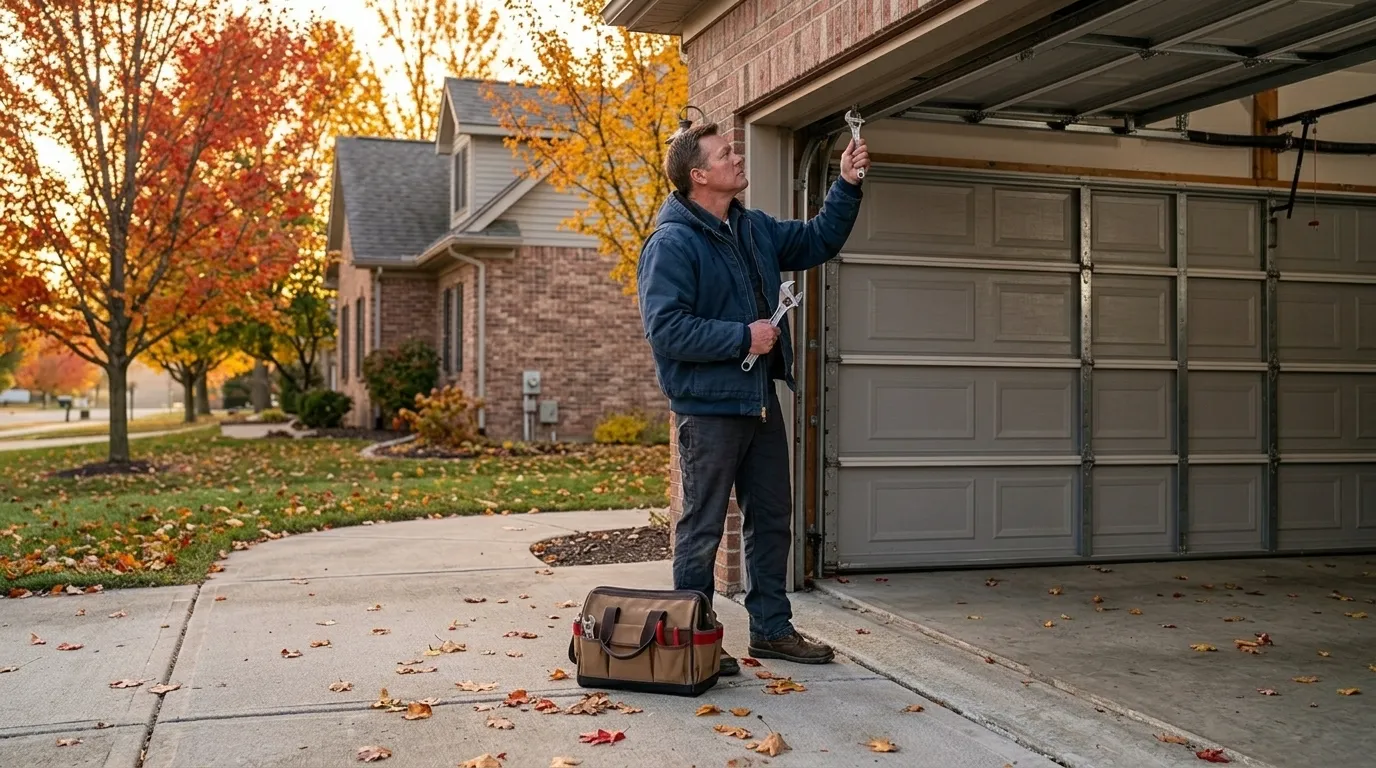
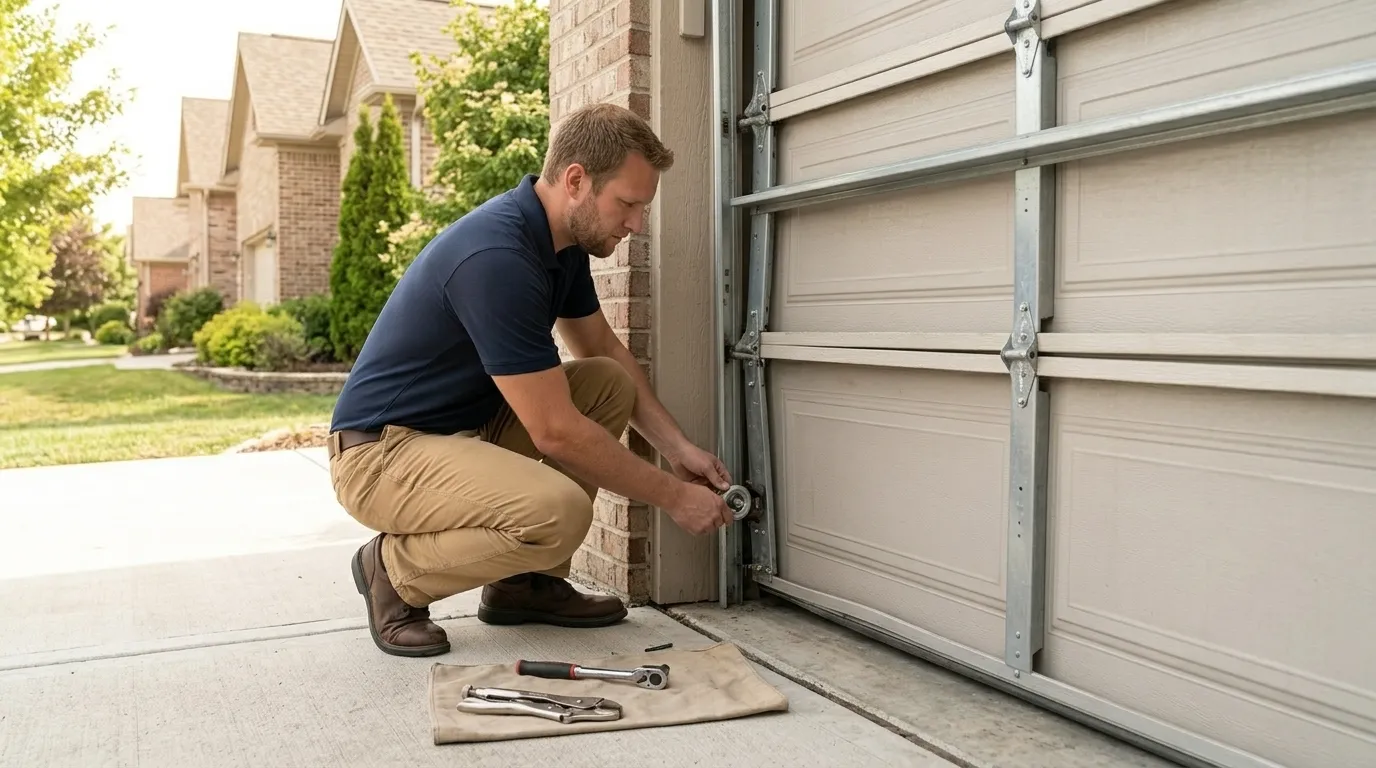
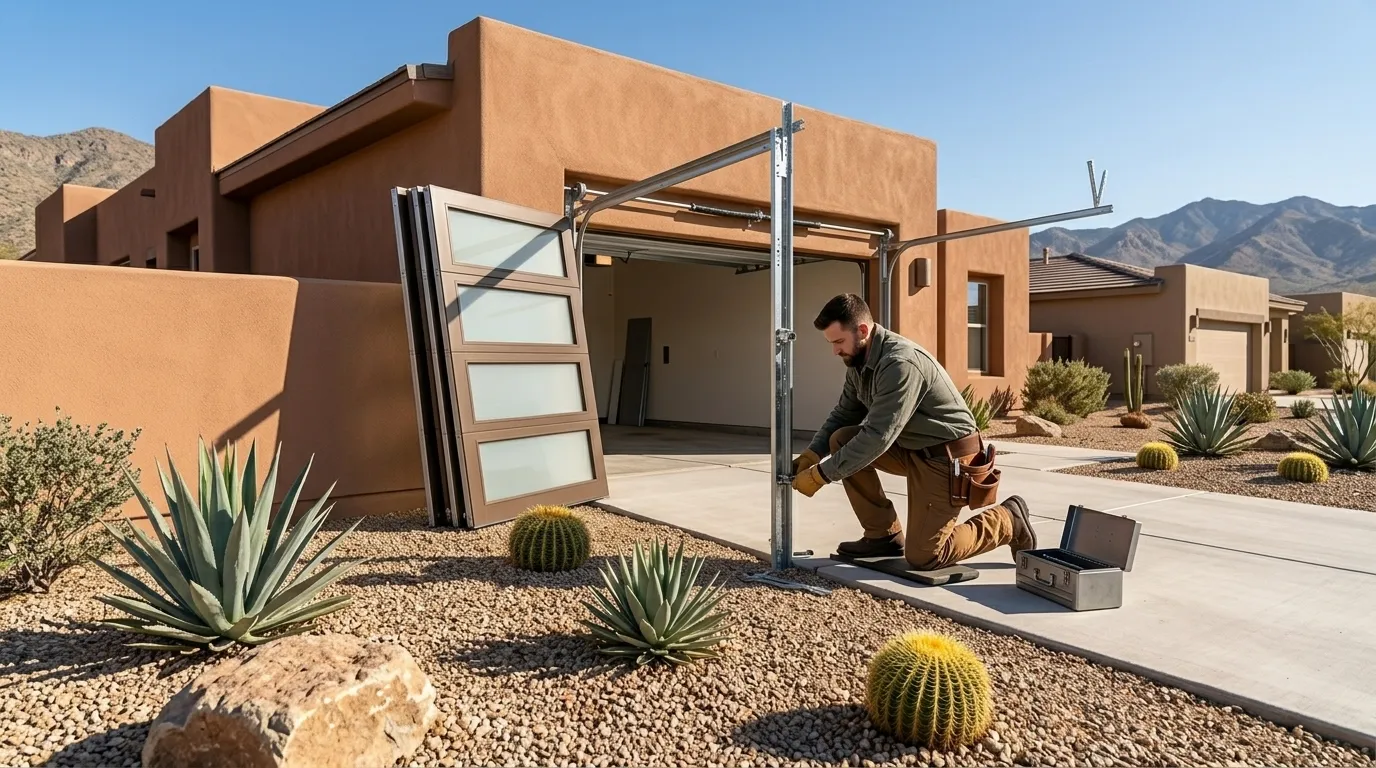
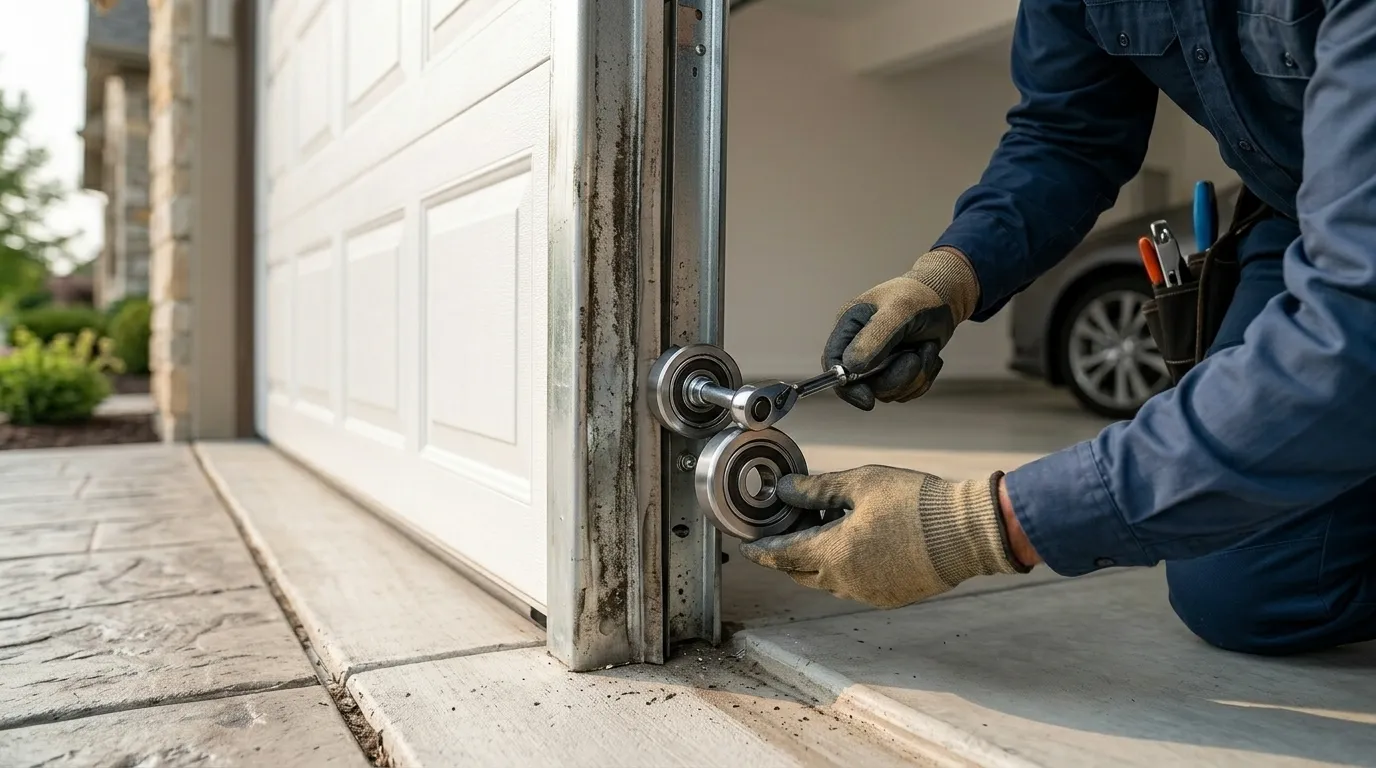
Given the age of the stock in this area, most calls fall into a short list: a snapped extension spring, a door that reverses or won't close on an aging opener, or rollers and hinges worn enough to make the door bind in the track. Fewer calls come in for insulated or modern steel doors, simply because there are fewer of them out here compared with newer construction closer to the edges of the service area. We also hear from owners who've already had a spring or cable go and want the whole system looked at rather than the one broken piece replaced again, which is a reasonable call once a door's original hardware starts failing piece by piece. What we don't do is push a full door replacement on someone whose door is sound and just needs a spring - if the panels and track are in decent shape, a repair is usually the right answer, even on an older door.