This Area's Housing
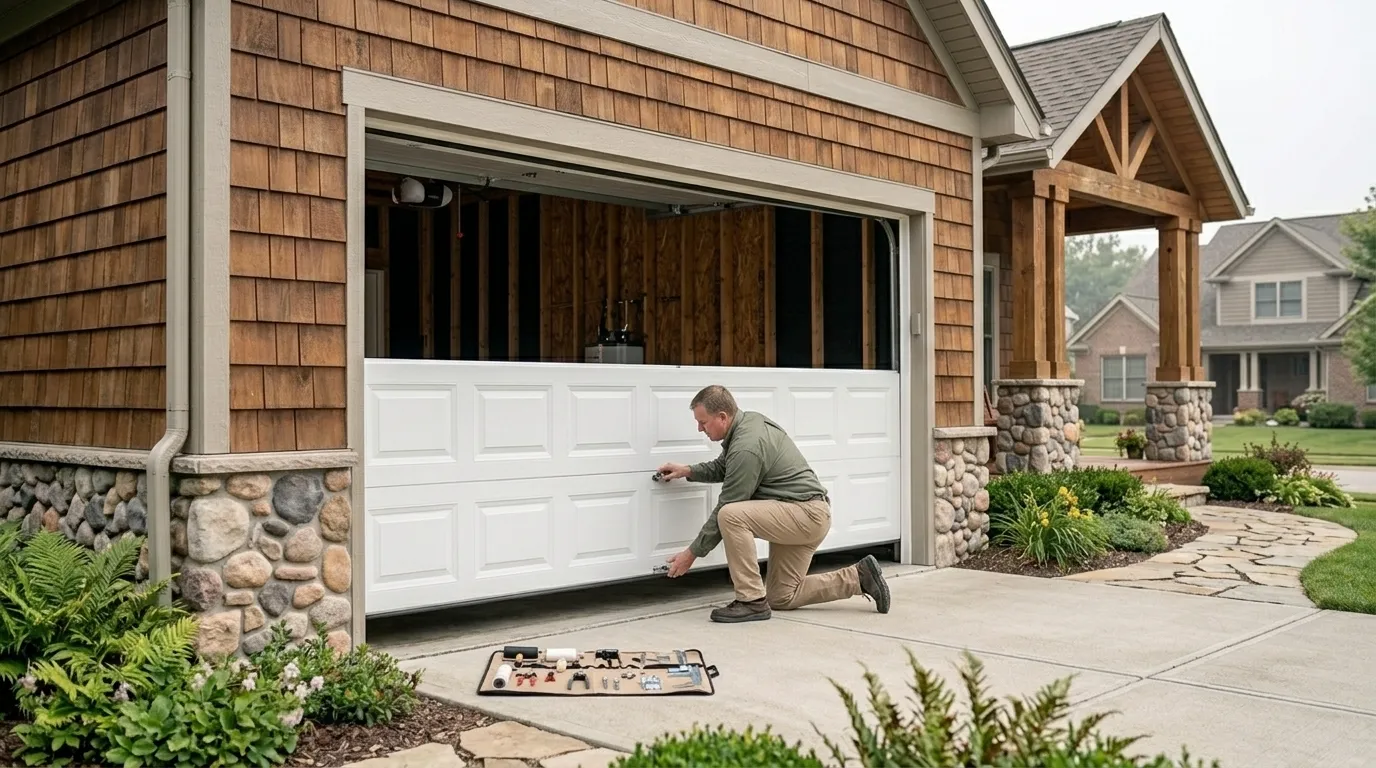
Willow Springs is younger than most of the neighborhoods we cover. Median year built here runs 1977, a good decade past the wider service area's median of 1964, where housing mostly dates 1938 through 1994 across the 86 named areas we work in. That gap matters more than it sounds. A house built in the late 1970s came with a different garage setup than one built right after the war - wider openings, steel sectional doors instead of one-piece wood, and openers that were just becoming a standard add-on rather than an afterthought. With about 2,611 households in the area, it's a smaller pocket than most of what we service, but the hardware pattern is consistent enough that we can usually guess what's behind the door before we open the truck. Median household income here is $103,429, well above the $80,202 median across the broader service area, which we mention only because it tends to show up in what people choose to do once a spring or opener fails - more often replacement, less often a patch job to squeeze out one more year.
What That Means for Doors
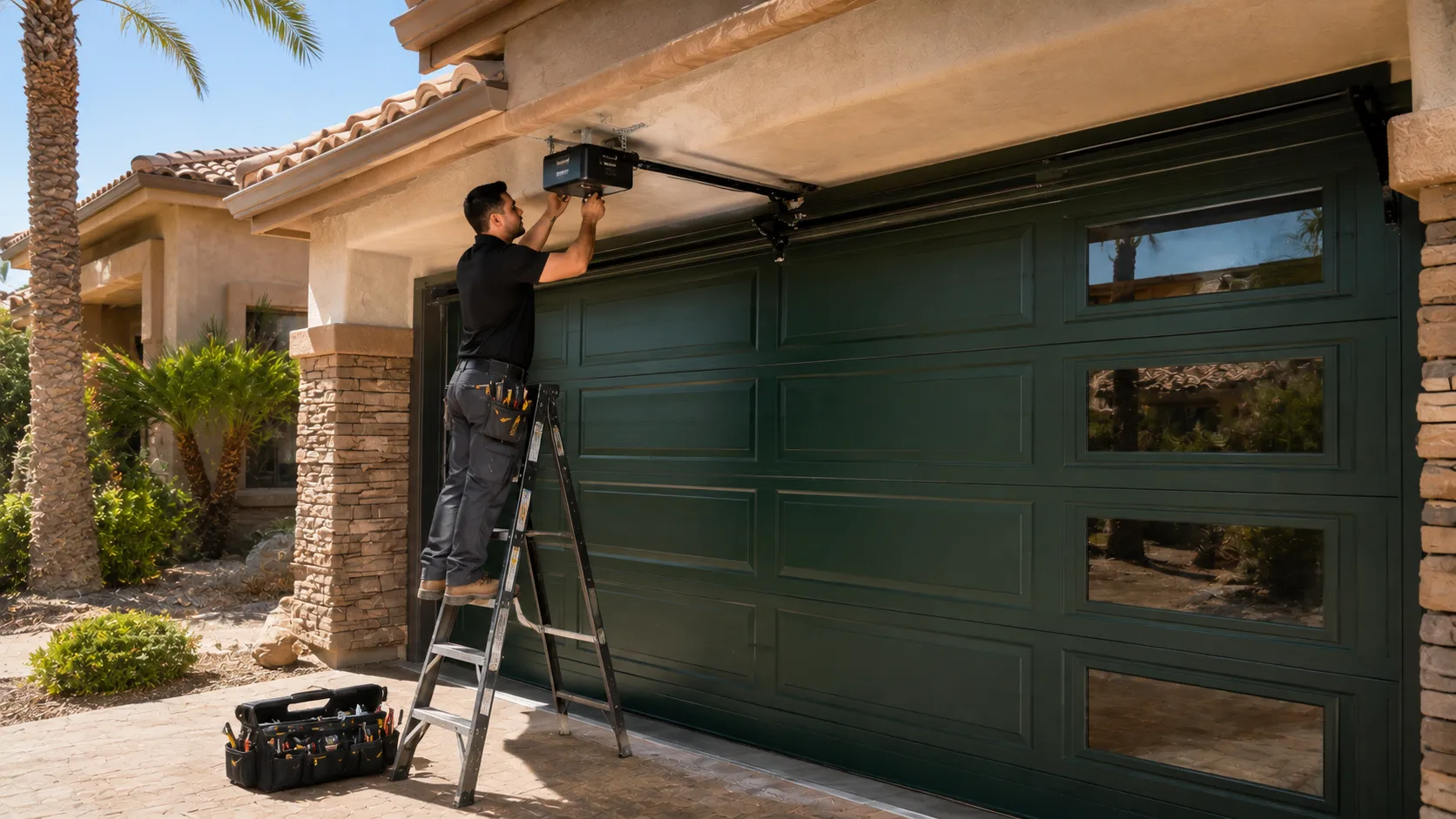
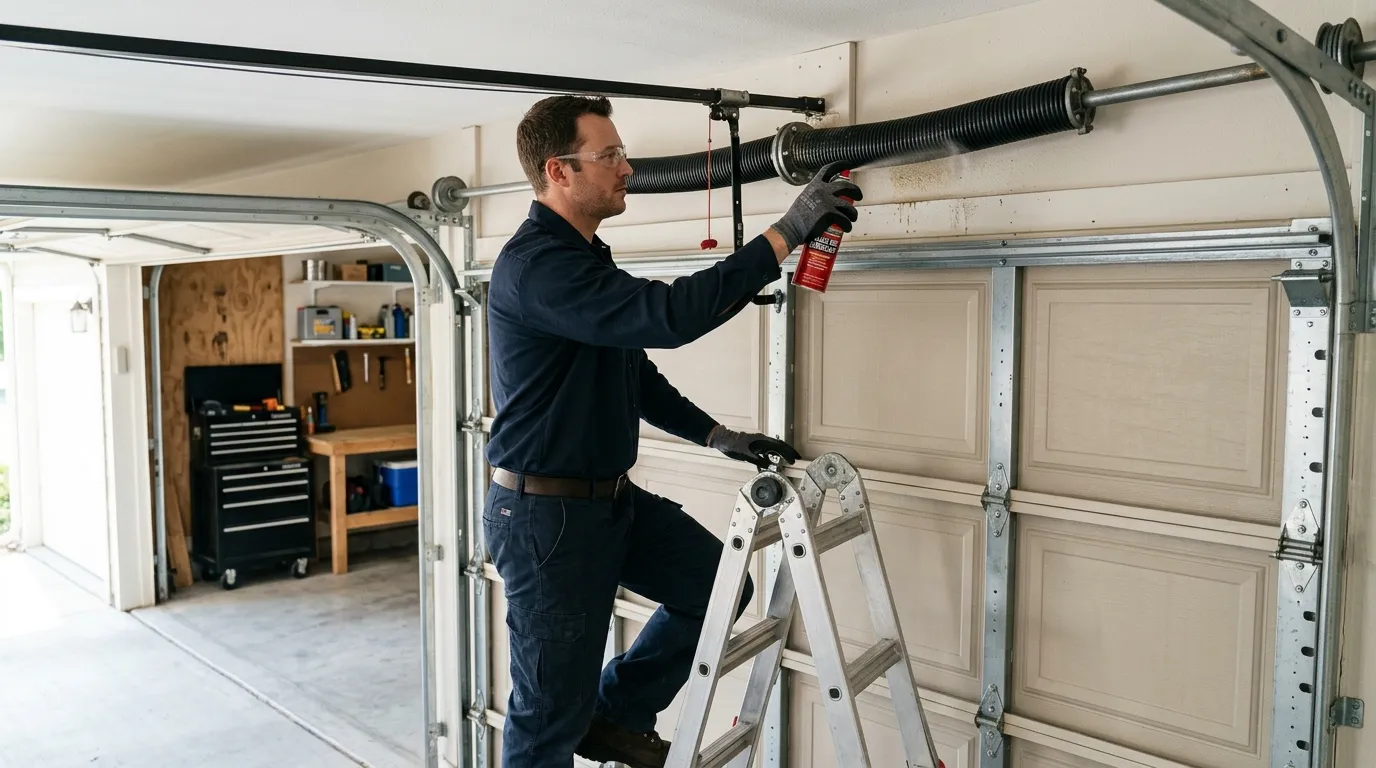
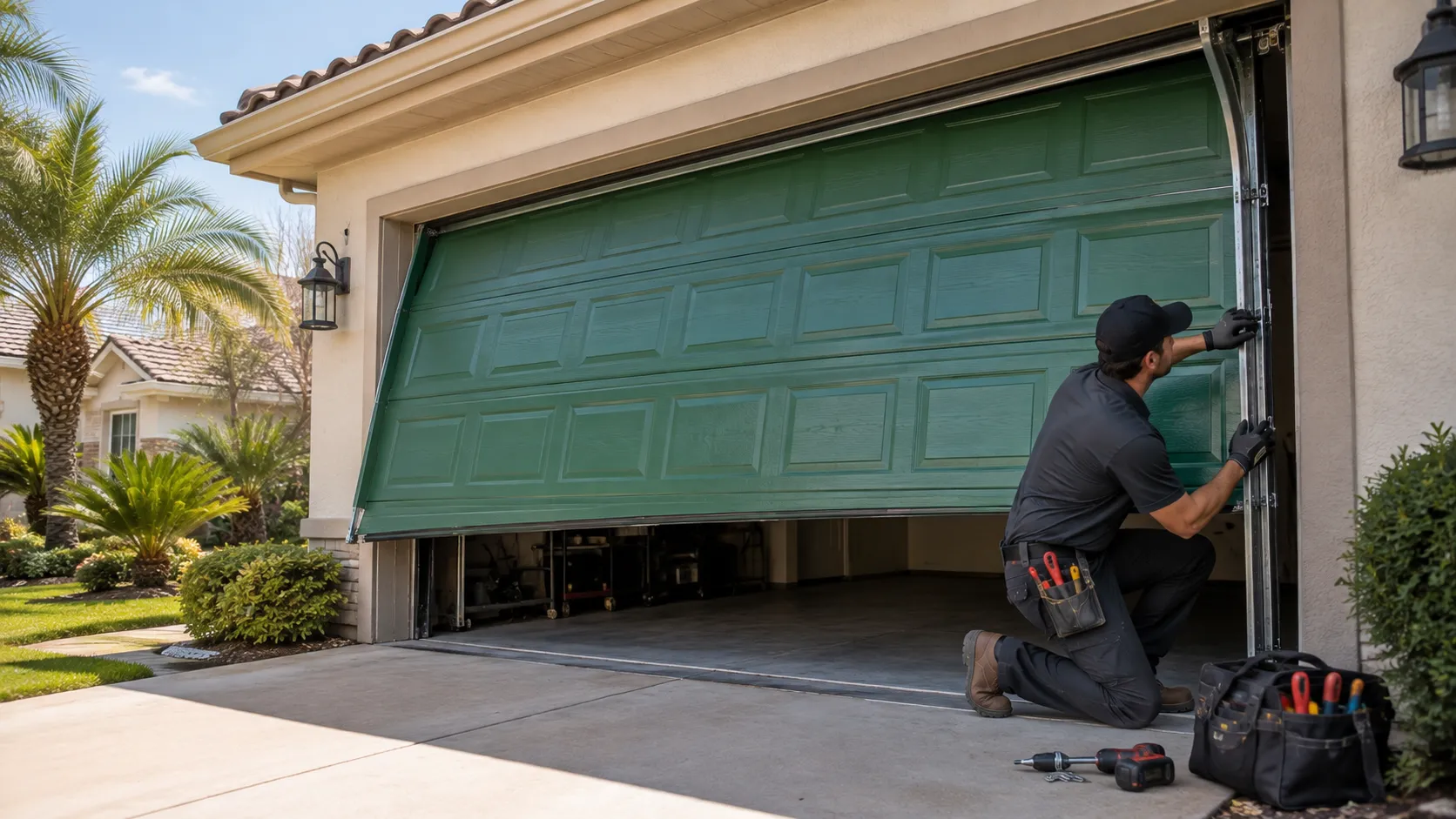
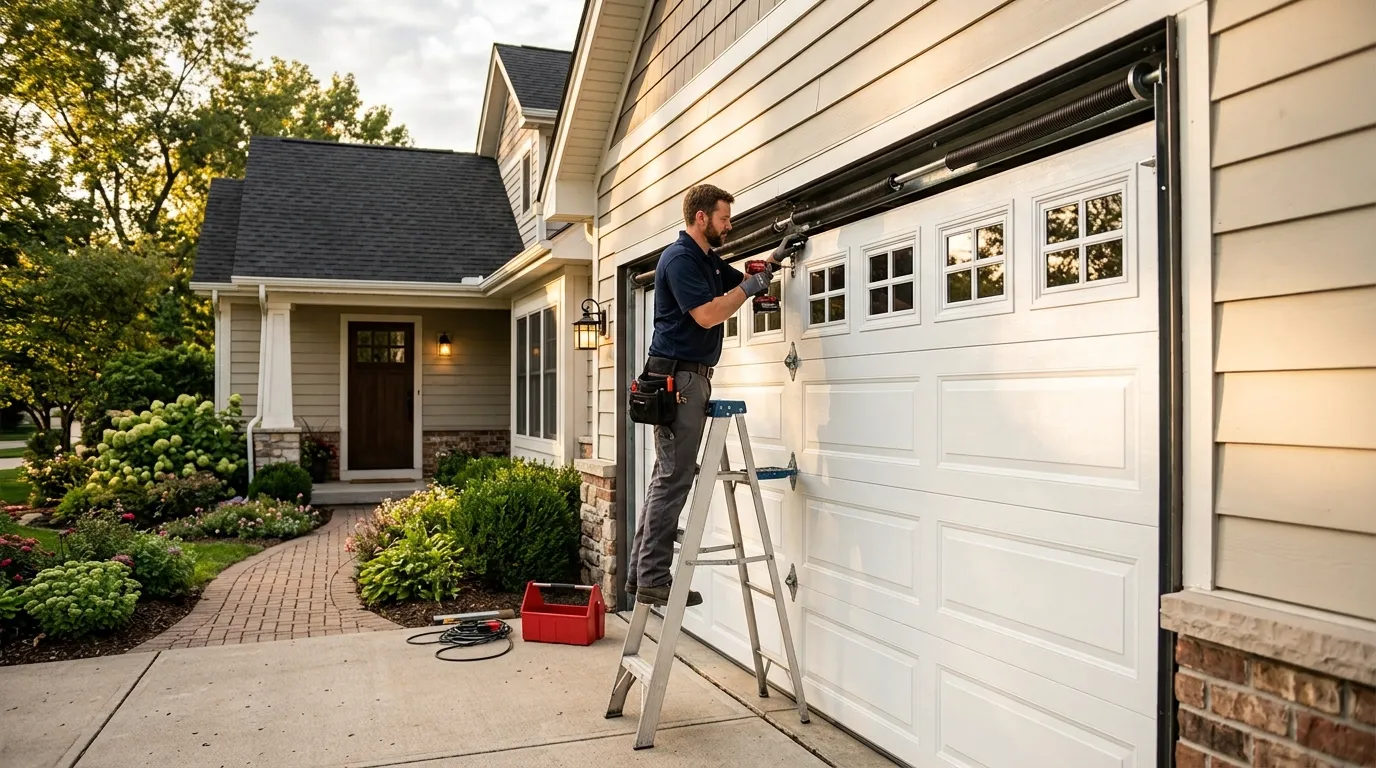
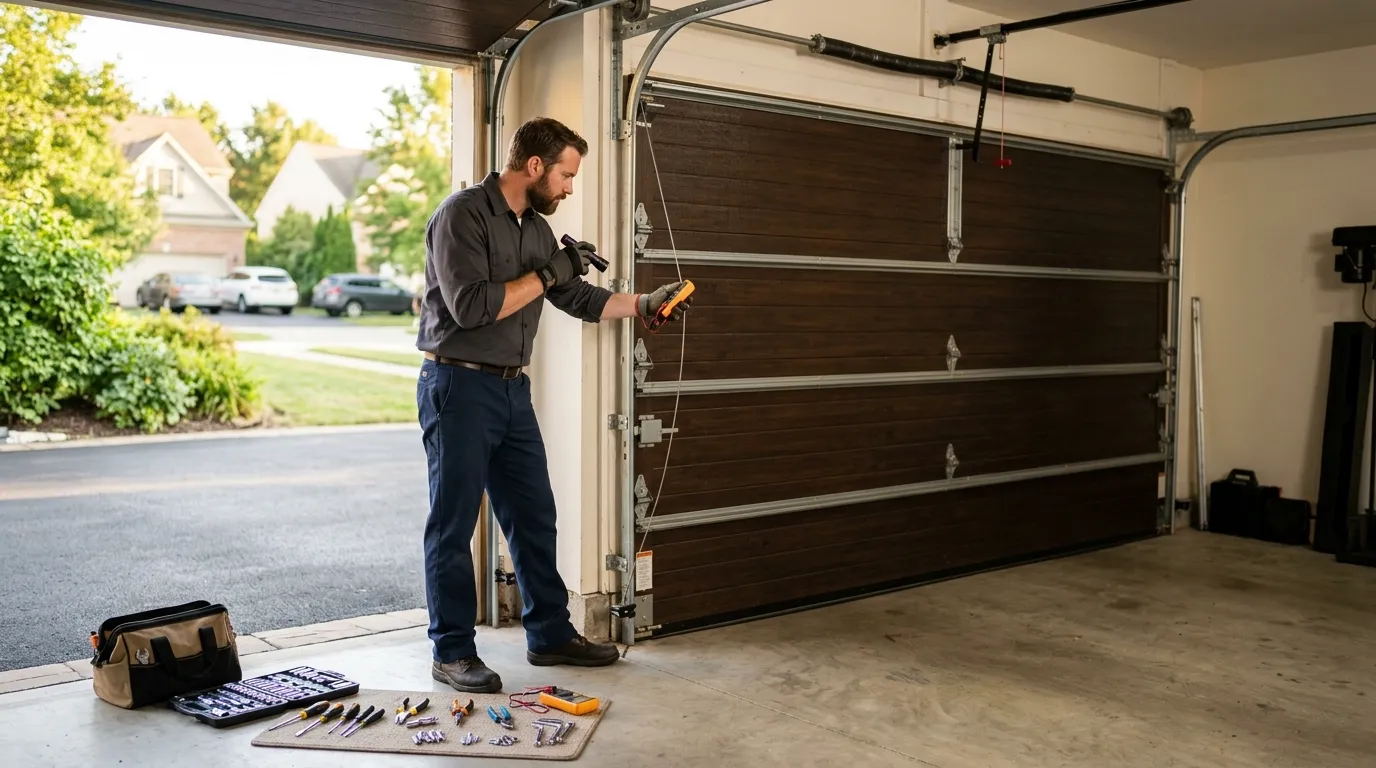
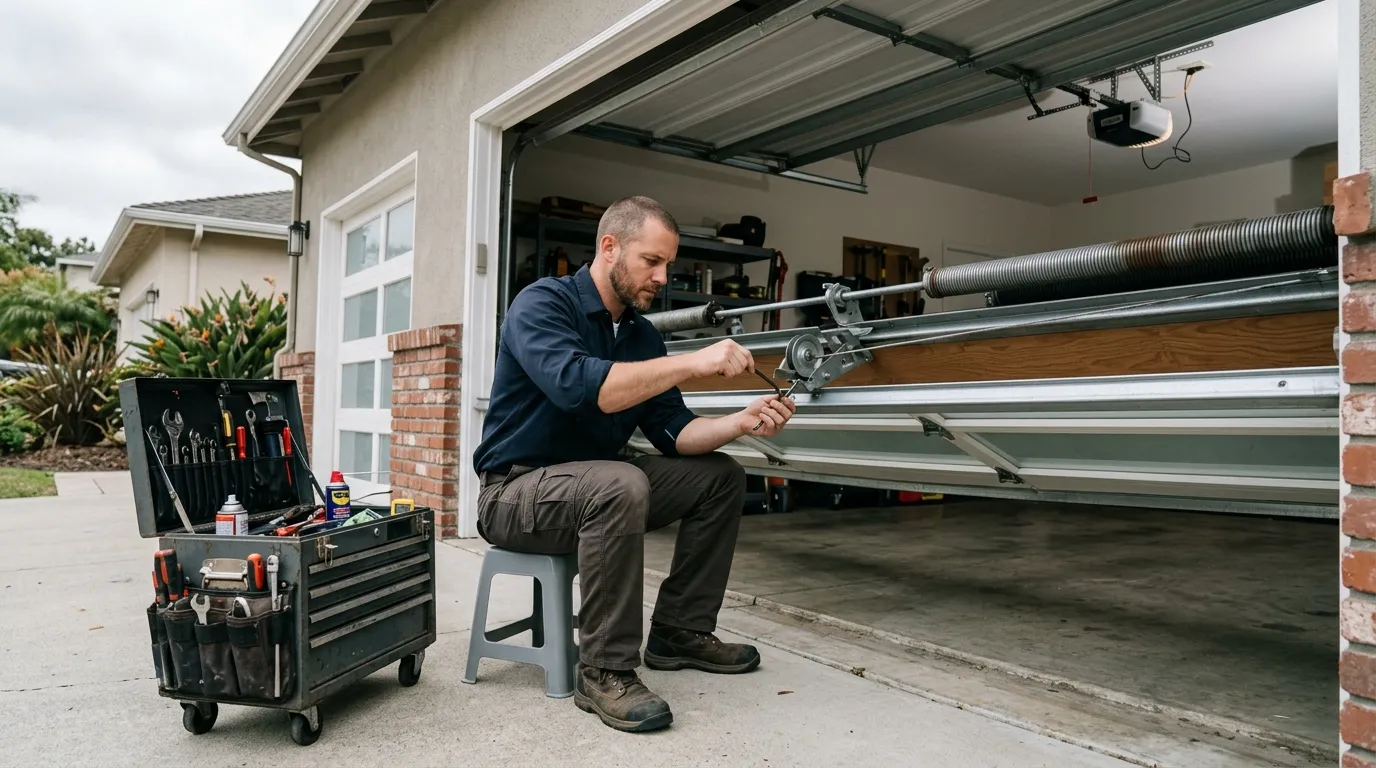
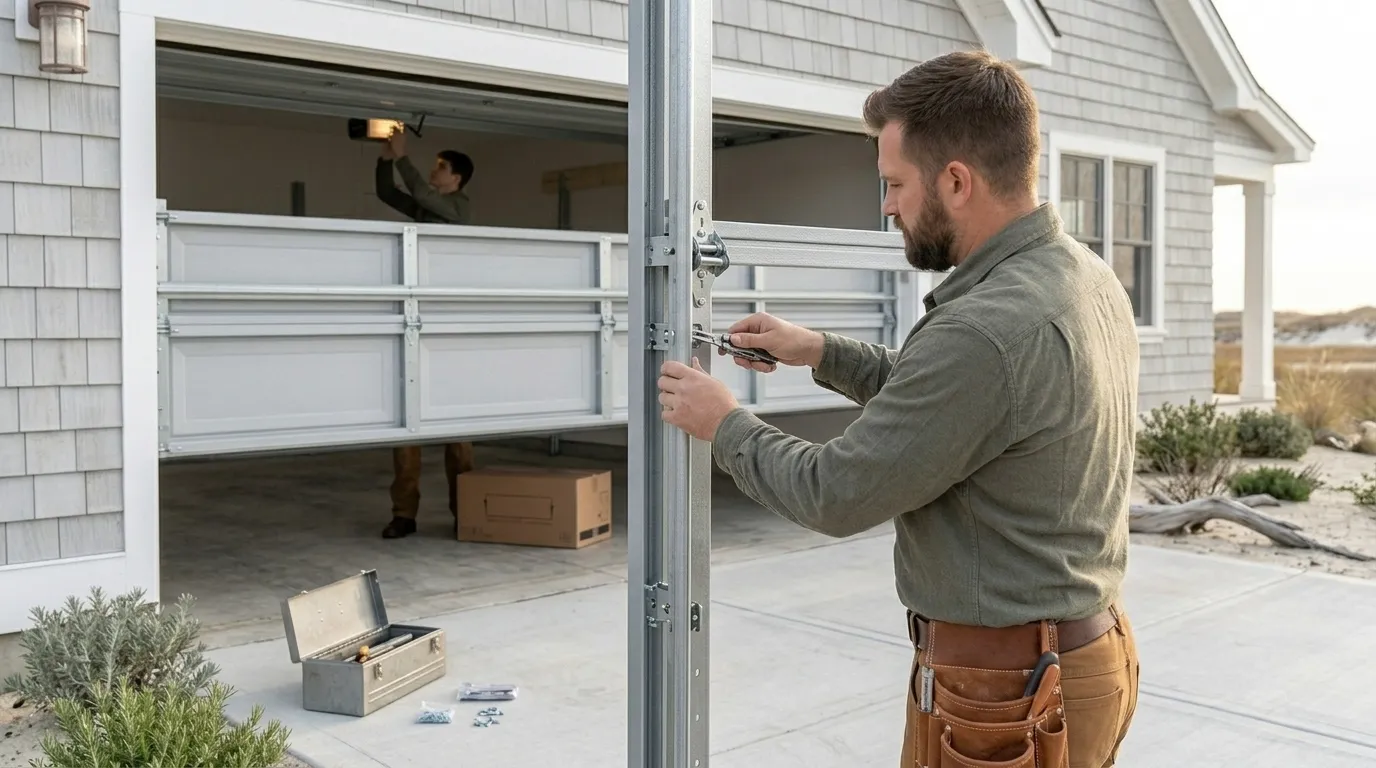
A door installed around 1977 is old enough now that original hardware is on borrowed time no matter how well it's been kept. That era leaned on extension springs mounted along the horizontal tracks more often than the torsion springs common in older or much newer builds, and a lot of those setups still have the original steel rollers and single-thickness panels. Cold-band winters do the rest of the work - the climate here runs cold and moderate, which is hard on lubrication, on cable stretch, and on any door that hasn't been rebalanced in years. We can't tell you every door in Willow Springs has the exact same guts; some have been swapped over to torsion setups since, and we won't pretend otherwise. But if a door here has never been touched since the house was built, extension springs and steel rollers from the late '70s are the first thing we expect to find.
What People Here Ring About
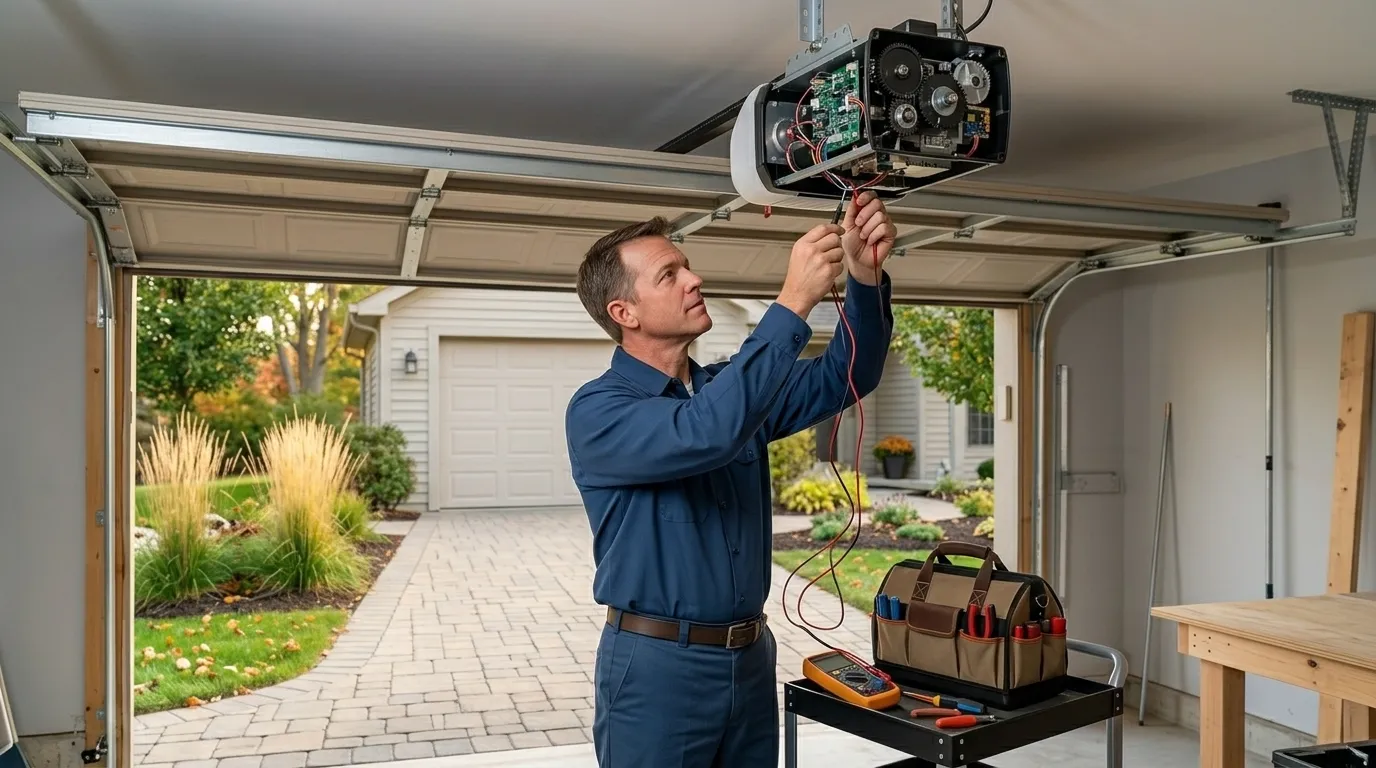
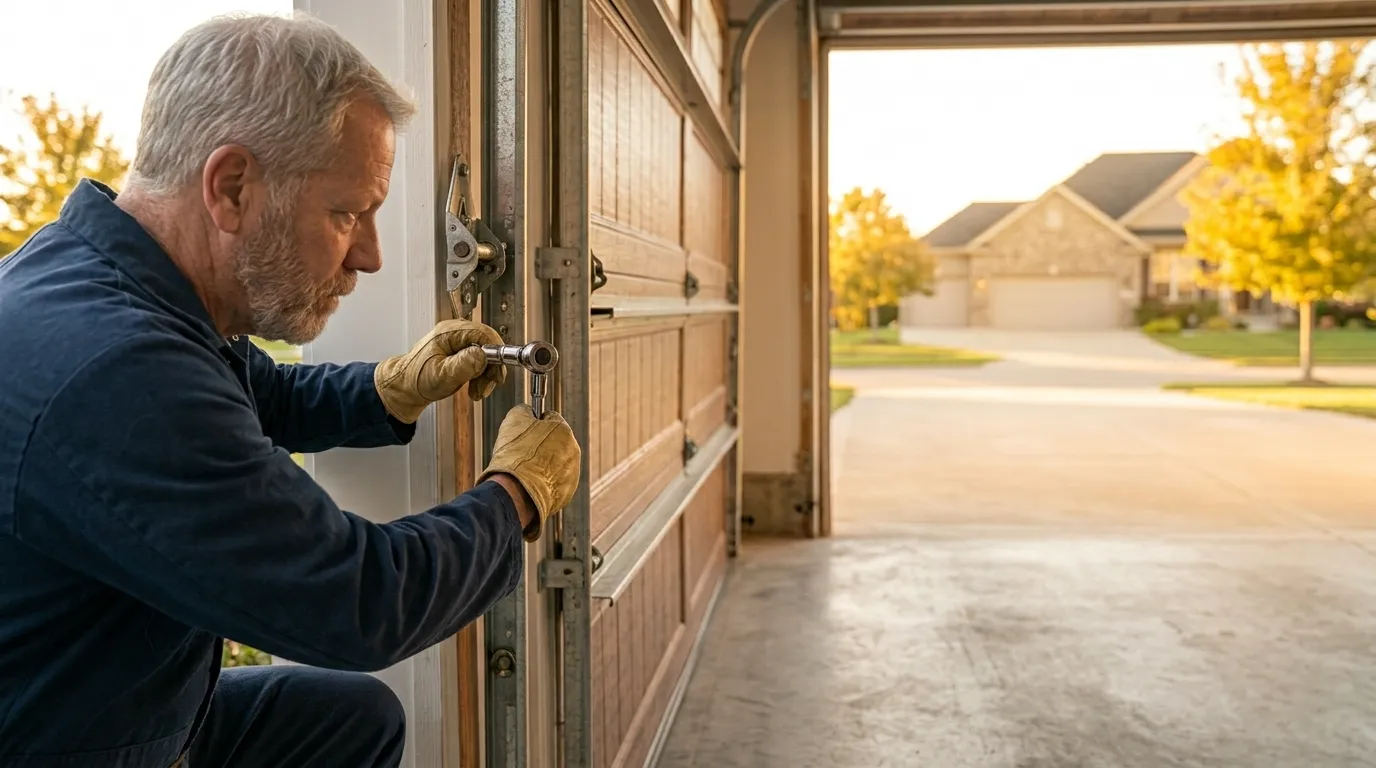
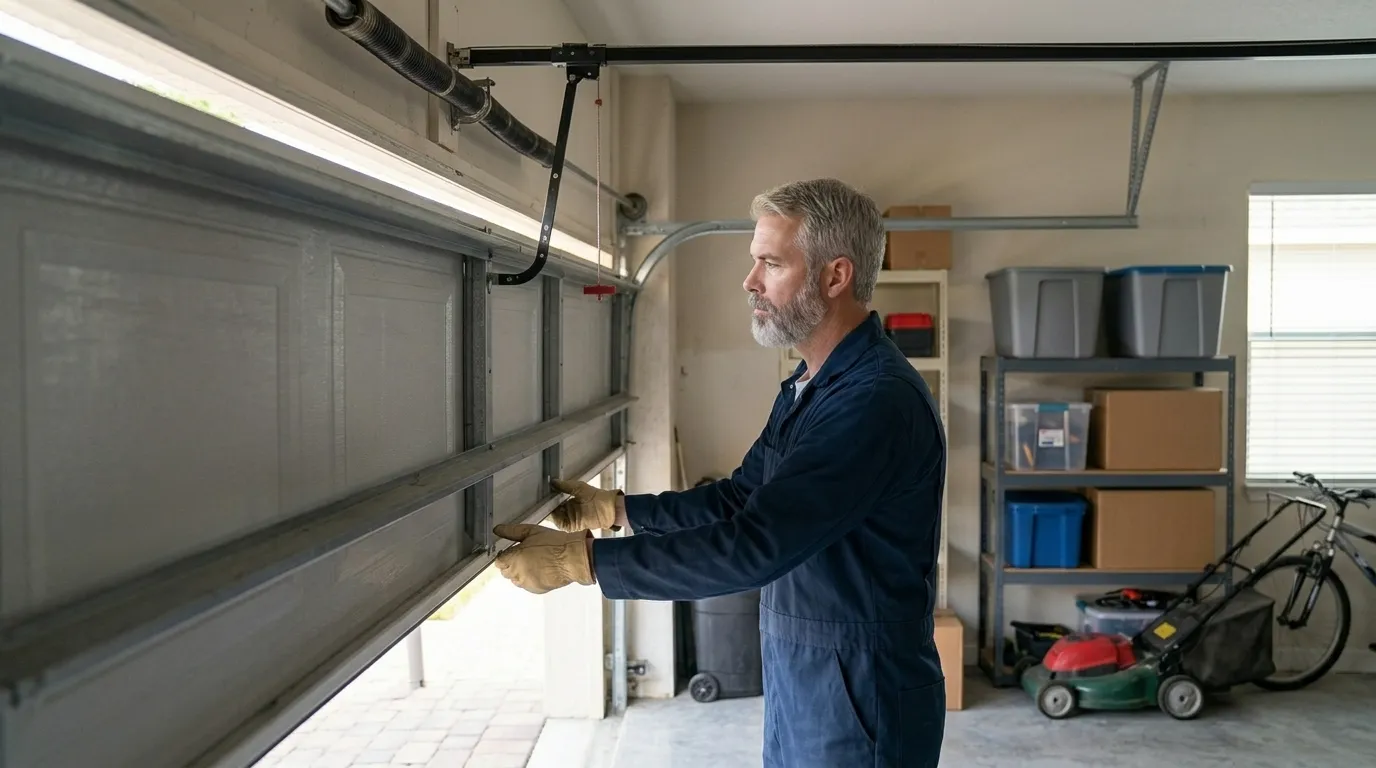
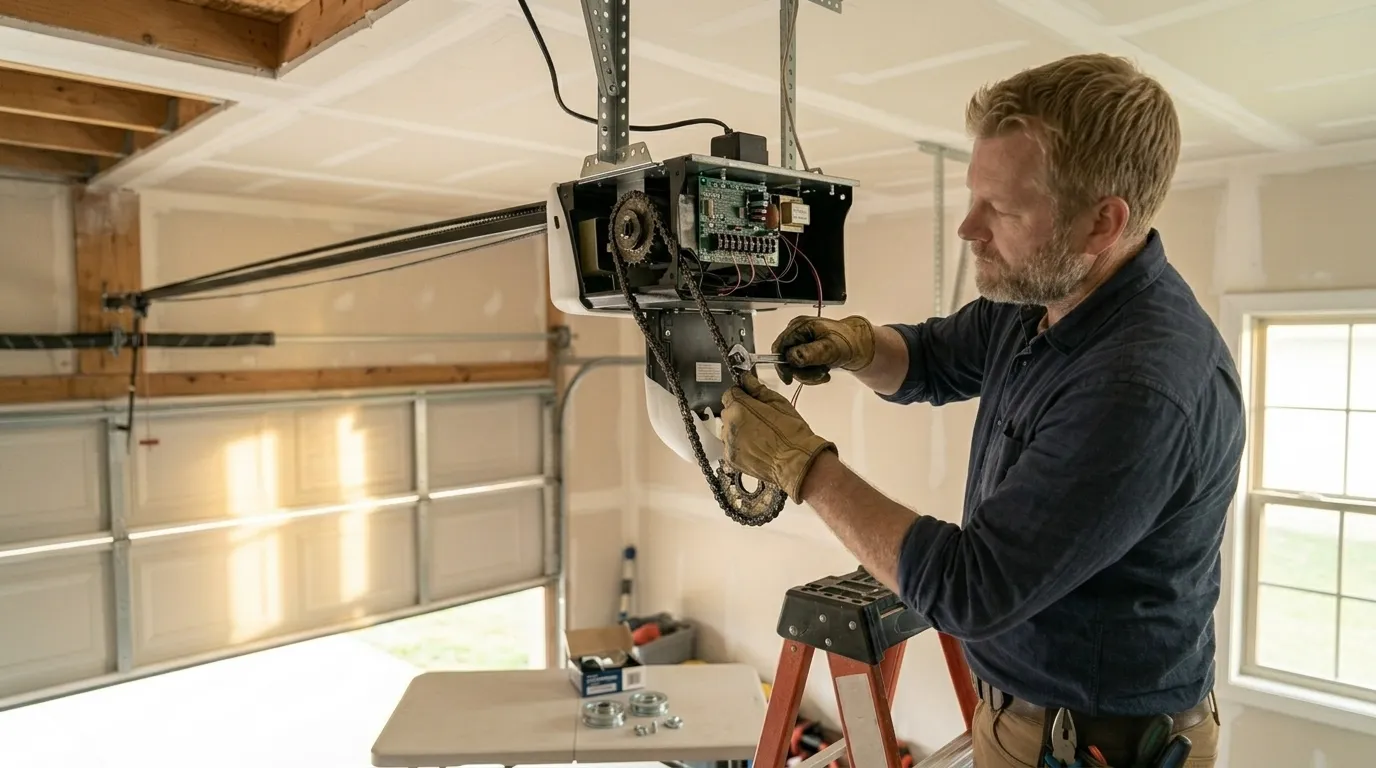
Snapped extension springs top the list, usually the ones original to a house from the late 1970s that simply gave out from fatigue. Second most common is an opener that's stopped responding - not always broken outright, but running on a unit old enough that parts are getting hard to source, which is the honest limitation here: if your opener predates the current line of circuit boards, we may recommend replacing it rather than chasing a part that's back-ordered for weeks. Rollers grinding in the track come up often too, especially on doors that haven't been serviced since installation. Given the income level in this area, more owners here opt to replace an aging door outright rather than keep patching one, and that's a reasonable call once repair costs start closing in on half the price of new.