This Area's Housing
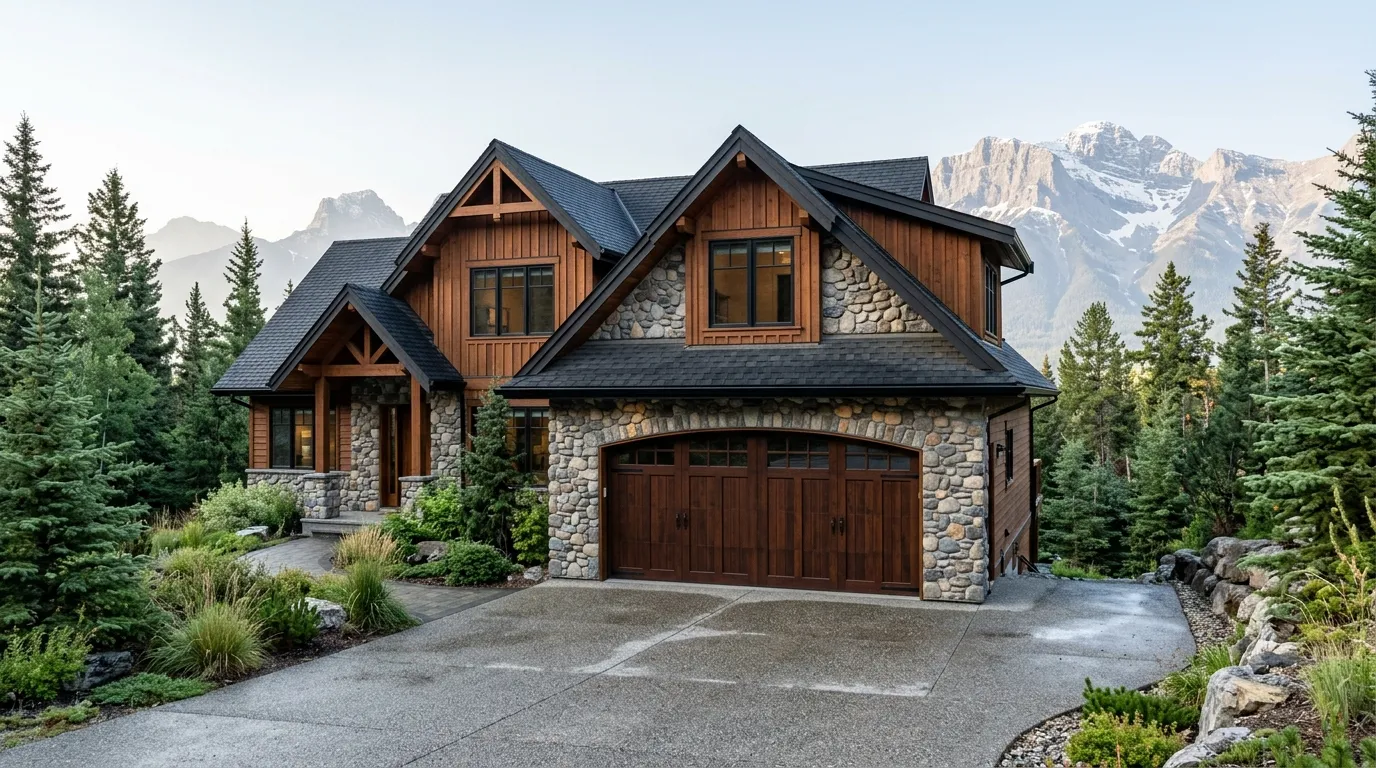
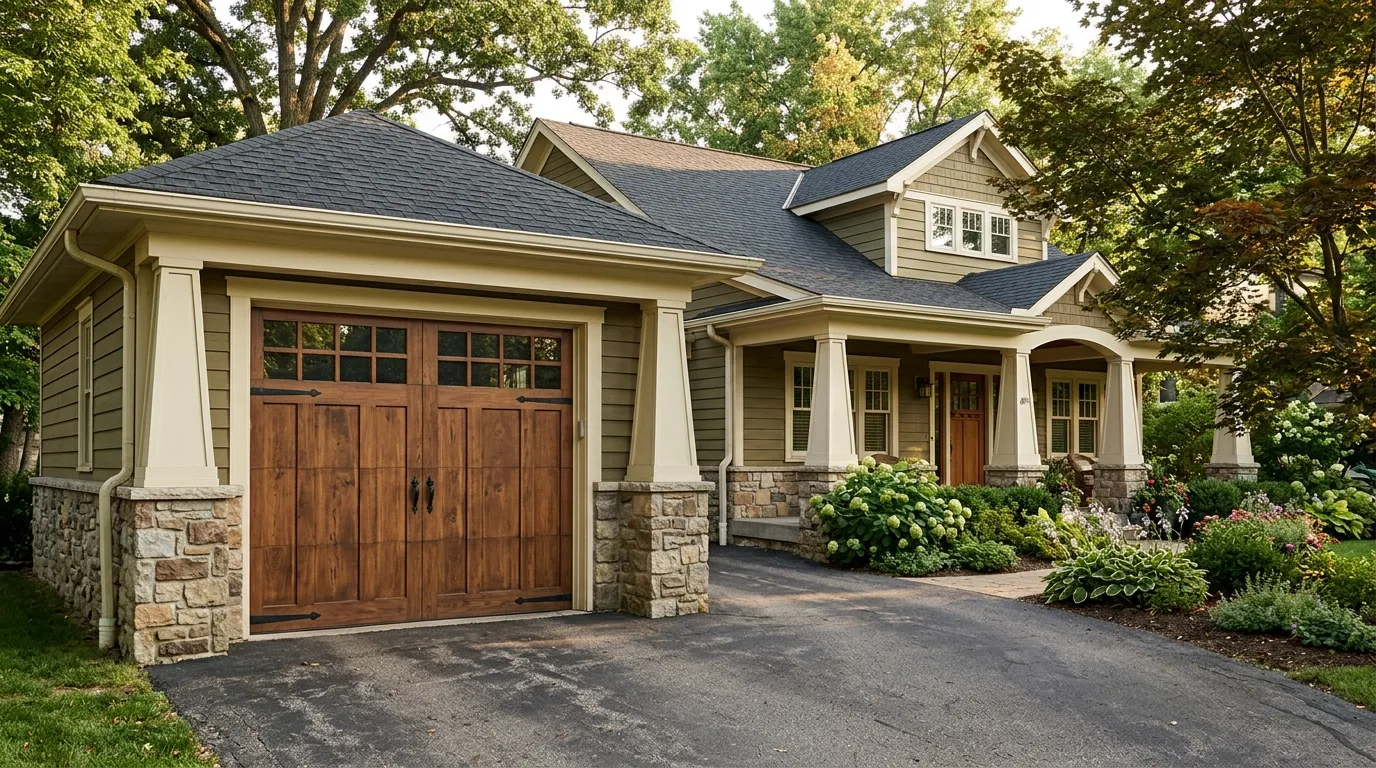
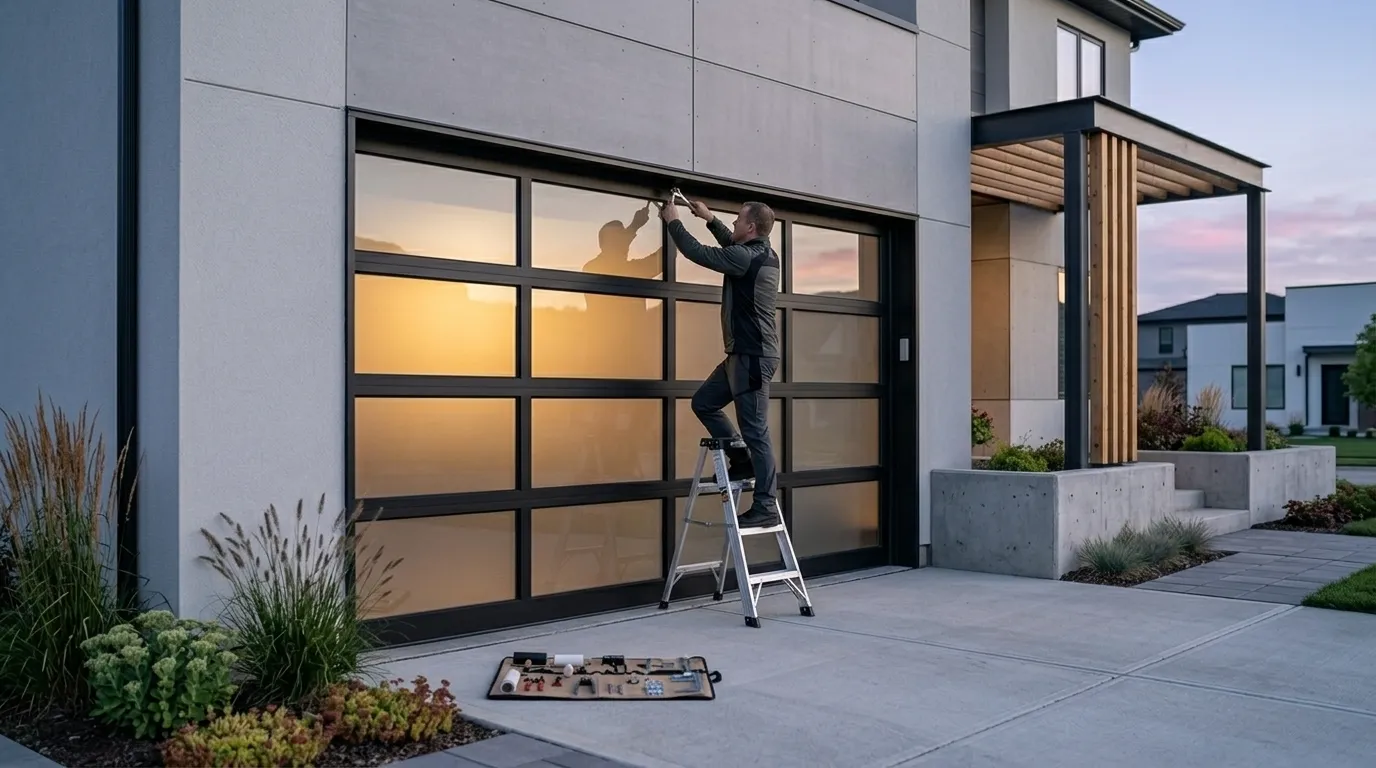
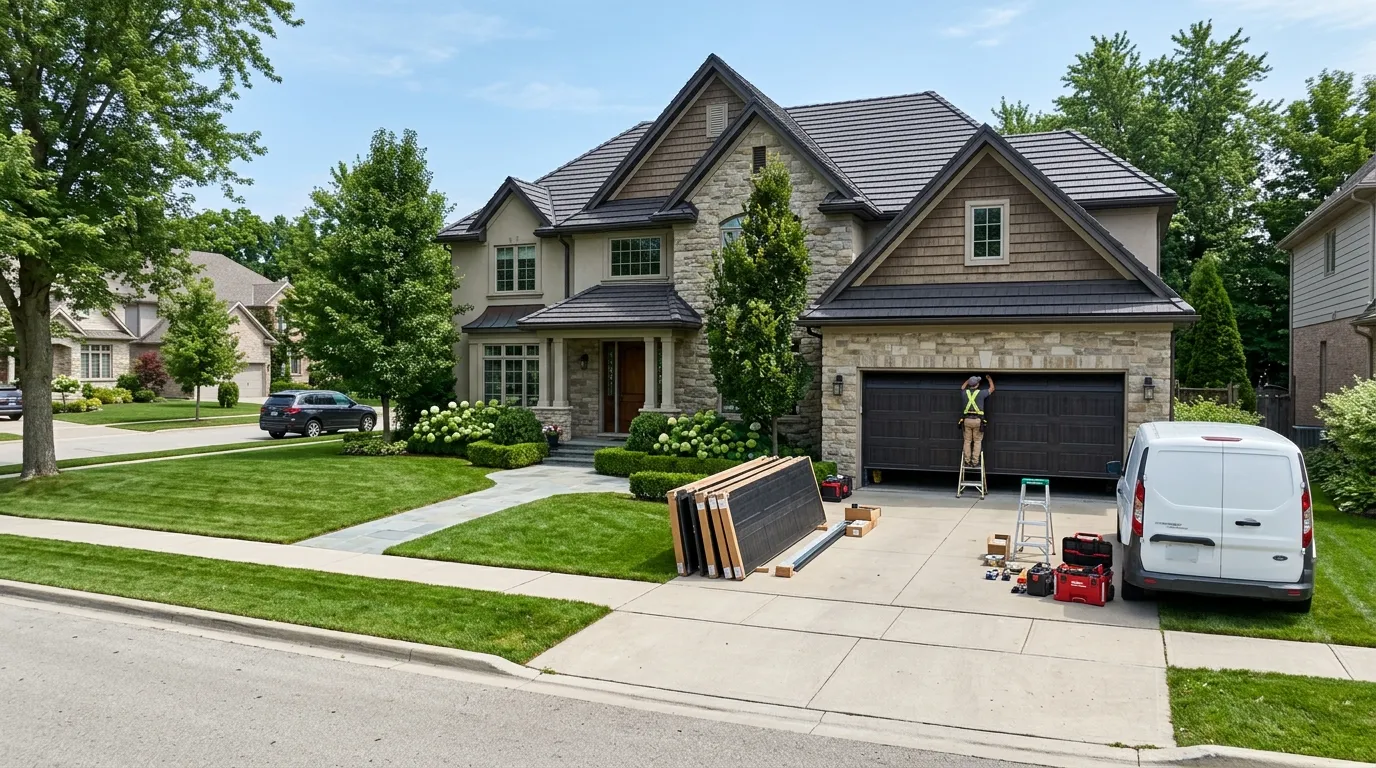
Willowbrook's housing stock runs newer than a lot of what we see closer to the city. The median build year here is 1980, which puts most houses a full generation past the 1938-1964 range that dominates the older Chicago neighborhoods we cover. That gap matters on a garage door. A house built in 1980 almost never has the old side-mounted torsion hardware or a heavy one-piece wood door - it was built with a sectional steel door and a center-mounted torsion spring system from the start, the layout still standard today. With about 3,910 households in the area and a median income of $97,861 - well above the wider service area's $80,202 - we also see more upgraded doors: factory-insulated steel, sometimes with a full glass panel run, replacing builder-grade doors that are now pushing 40 years old. The honest limitation: we don't stock every insulated panel style, and a discontinued design sometimes means a longer wait on a matching replacement section rather than a same-day fix.
What That Means for Doors
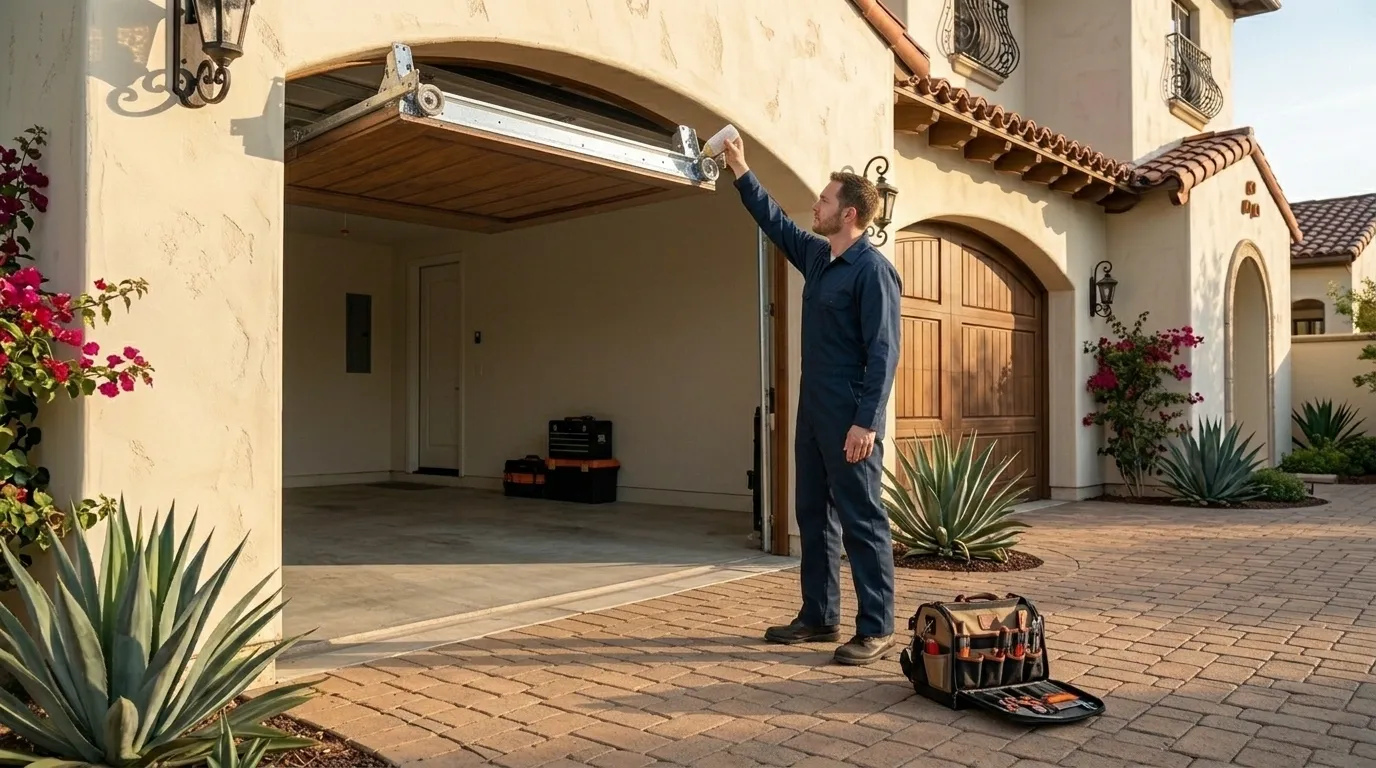
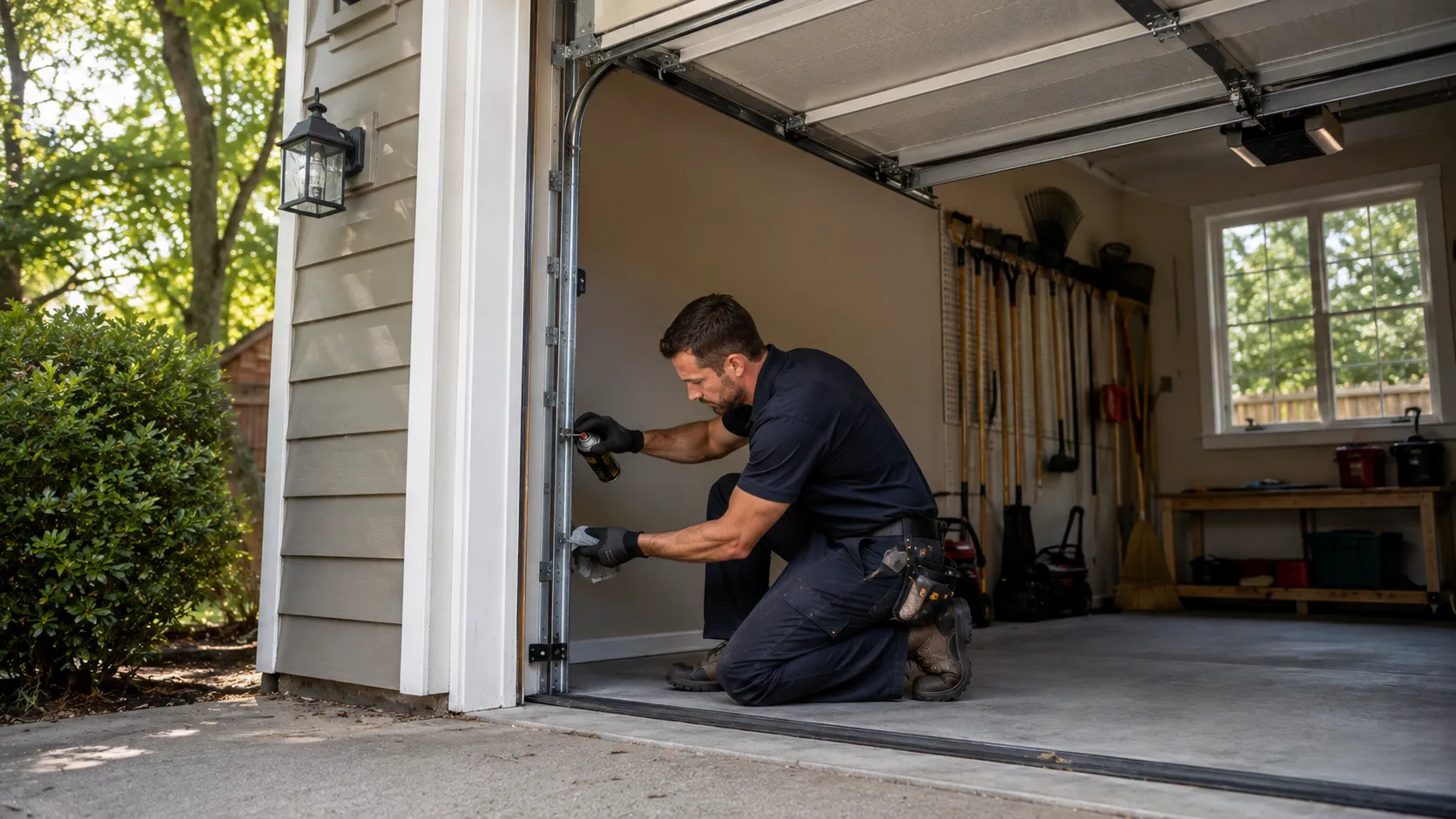
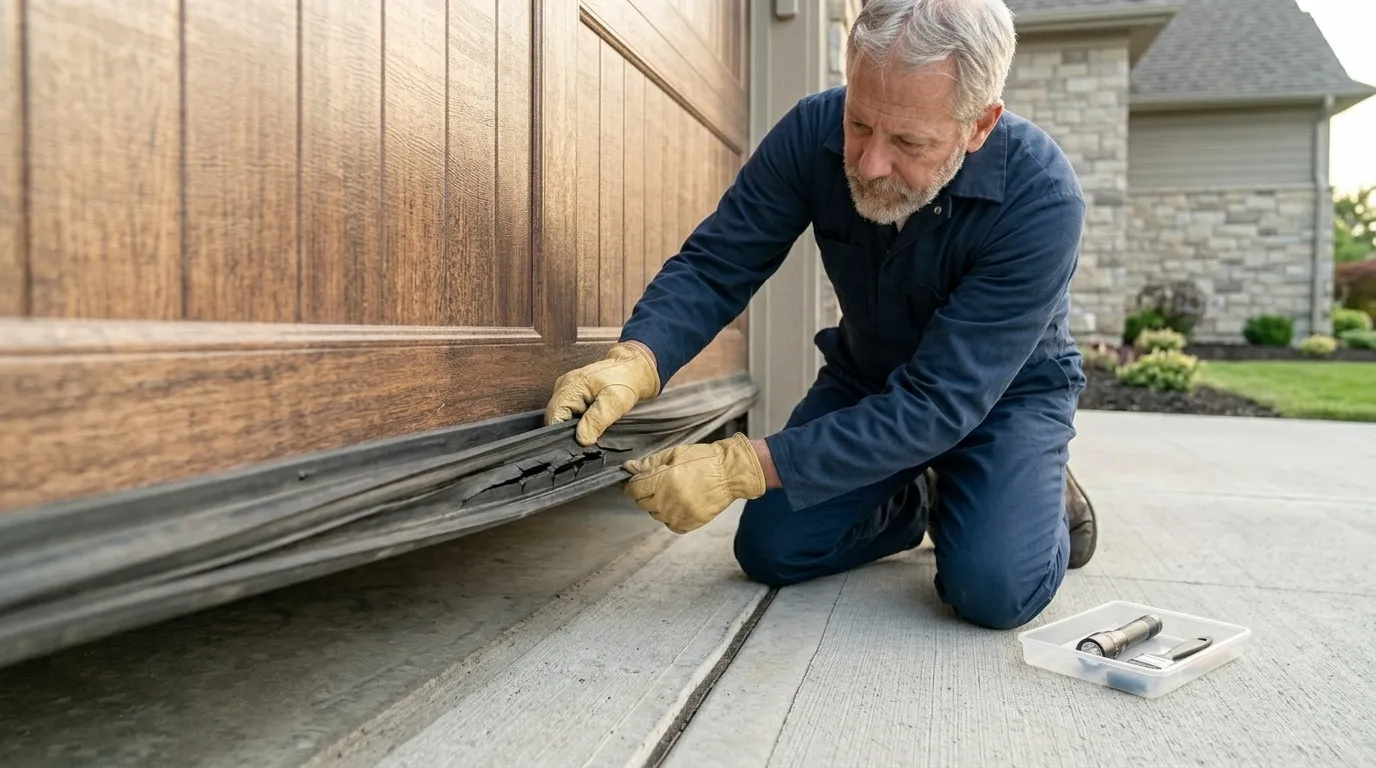
The service area sits in a cold, moderate climate band, and that shapes what fails on a 1970s-80s door faster than age alone does. Weatherstripping along the bottom seal and jambs takes the brunt of freeze-thaw cycling and tends to crack and pull away well before the door itself is worn out. Torsion springs on doors from this build era are usually original or a first replacement, and a spring rated for years of Chicago-area winters can still snap without warning once it's past its cycle count. Nylon rollers on doors from this period have often been swapped once already; steel rollers on an older track show up more than people expect. Openers from the 1980s-2000s stock in this area tend to fail at the circuit board or the drive gear before the motor itself quits, which is a cheaper fix than most homeowners assume - but only if the board is still made, and some older models aren't.
What People Here Ring About
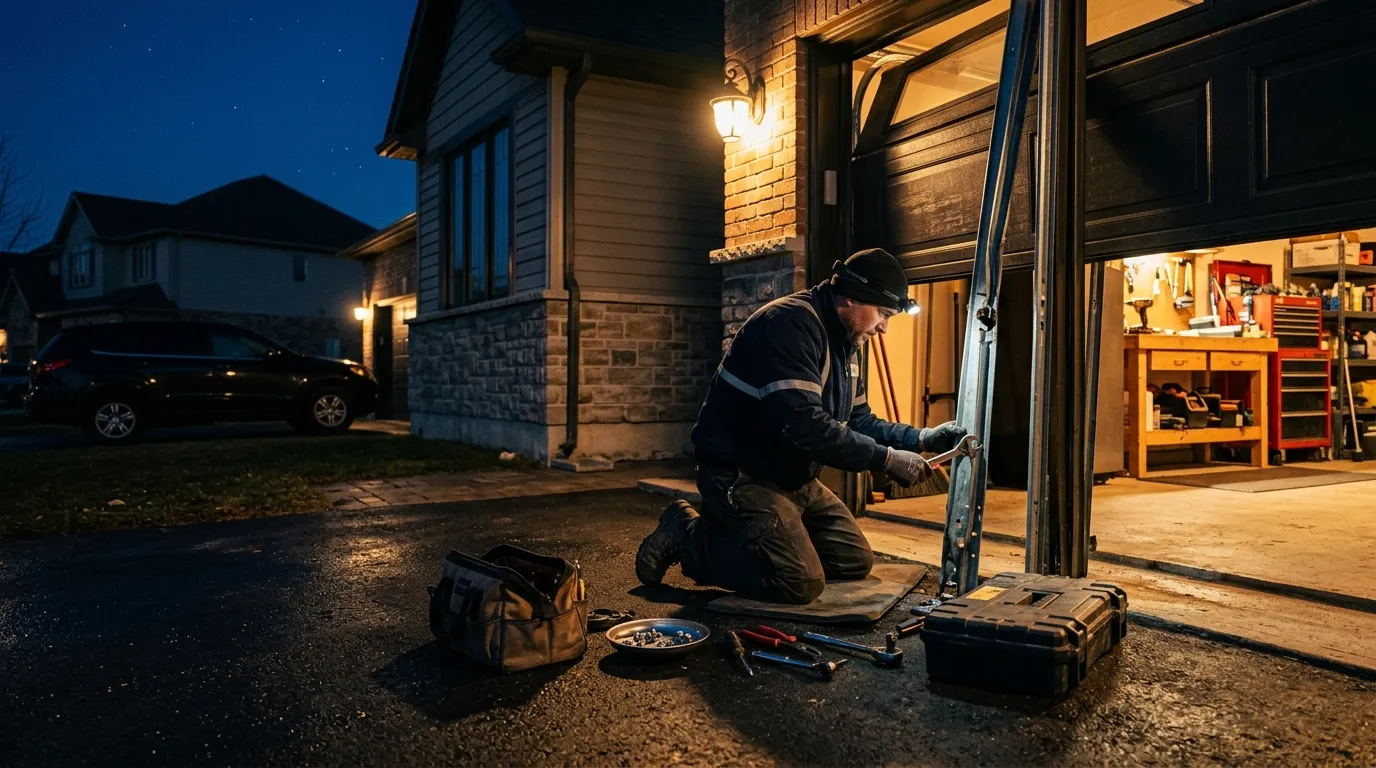
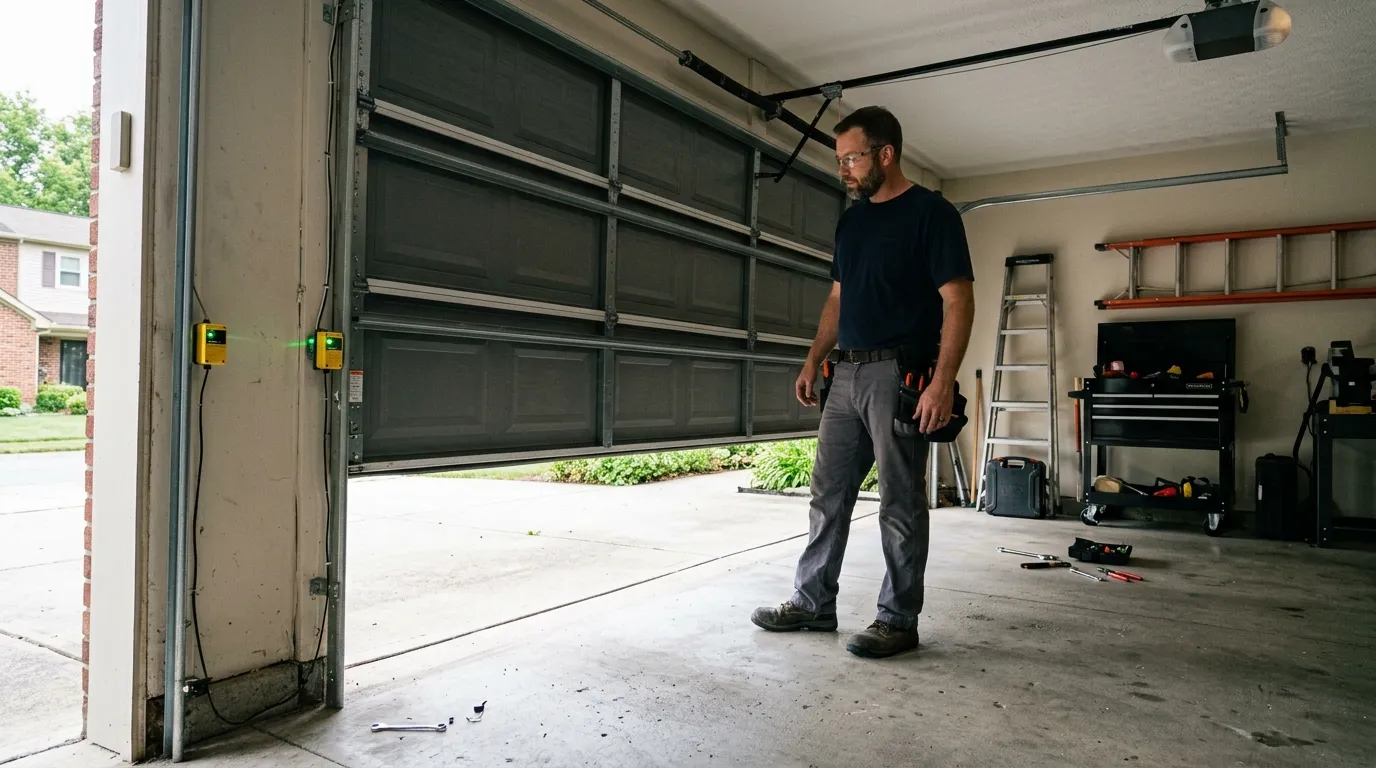
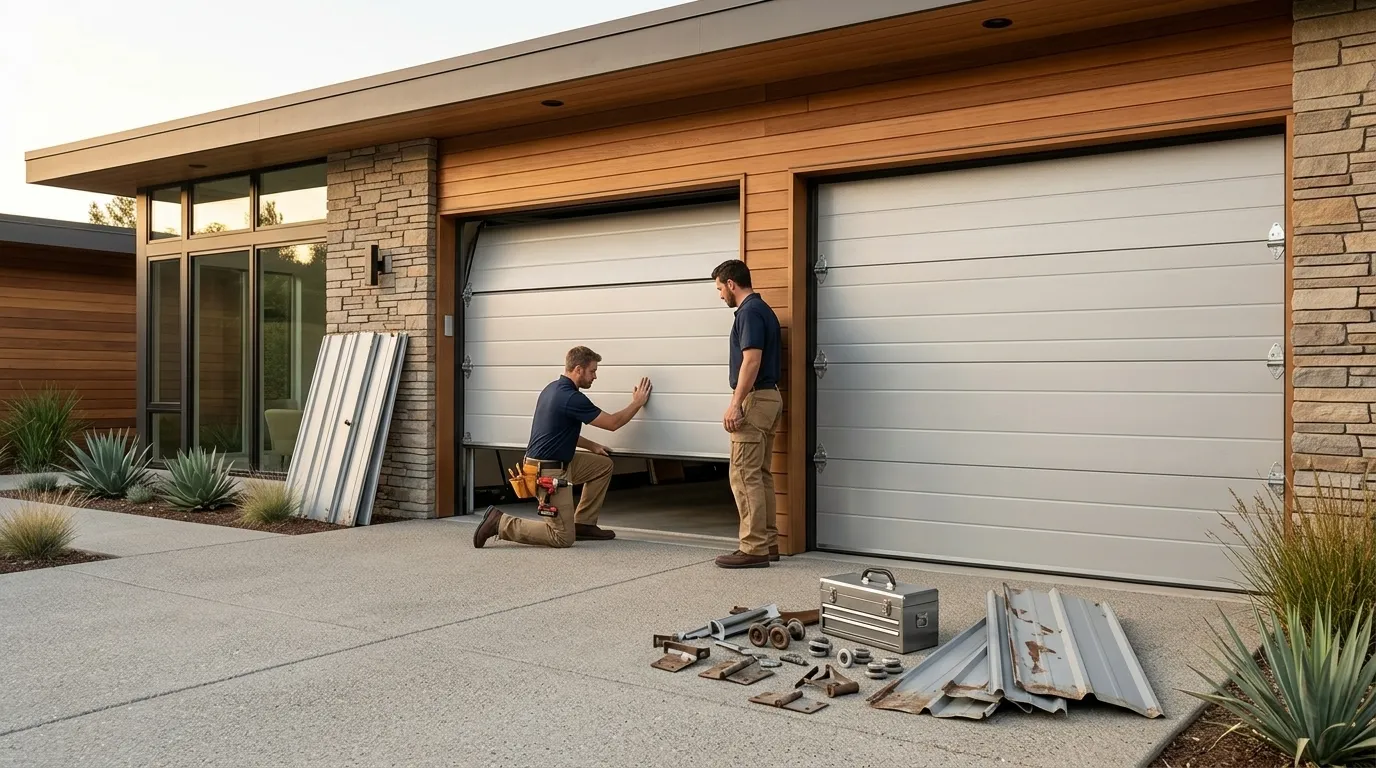
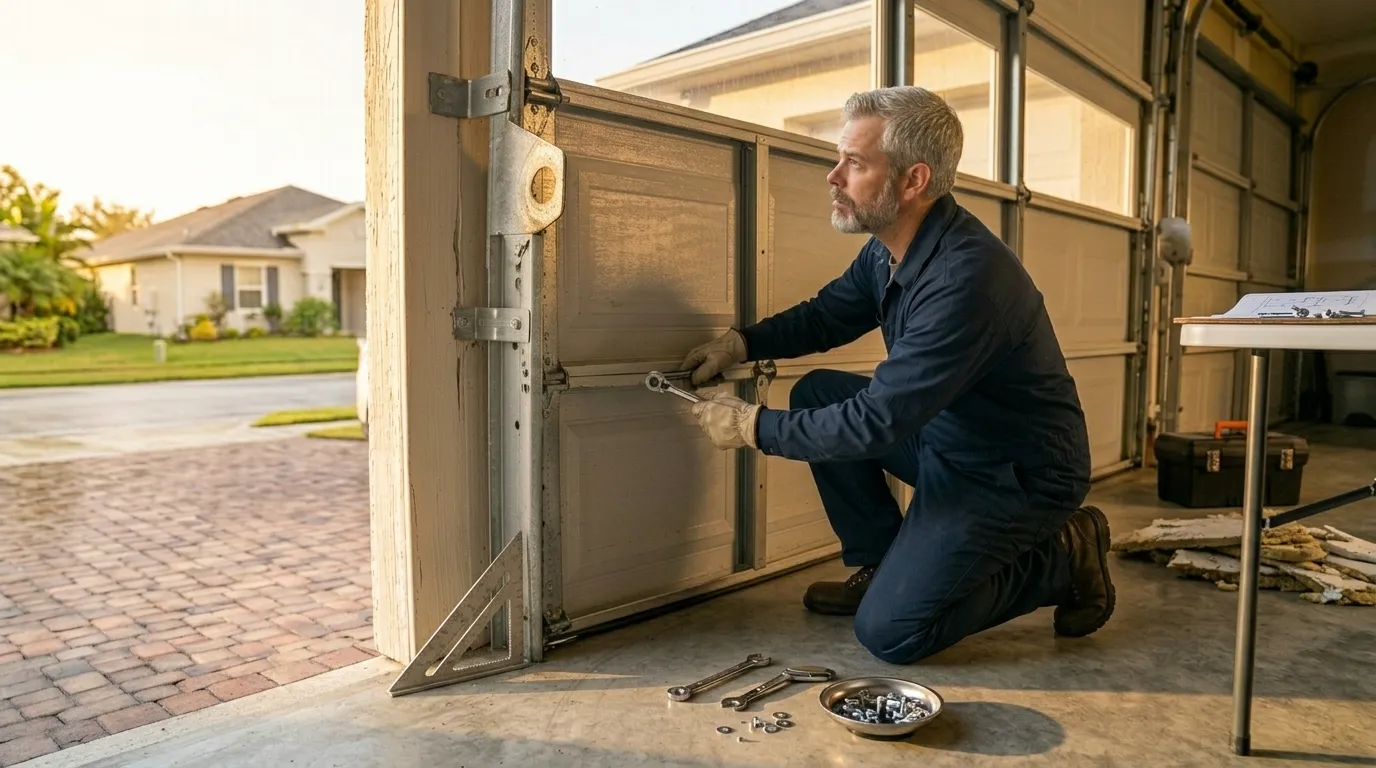
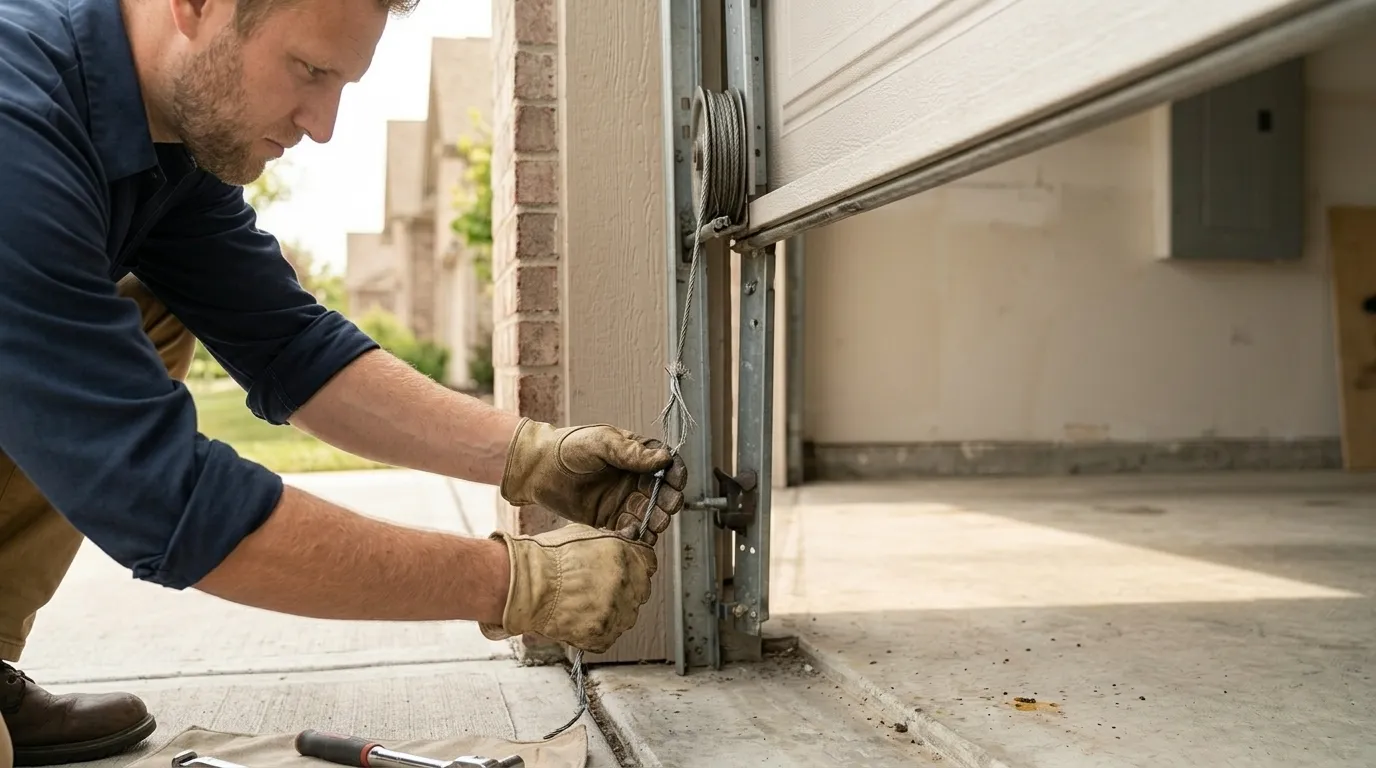
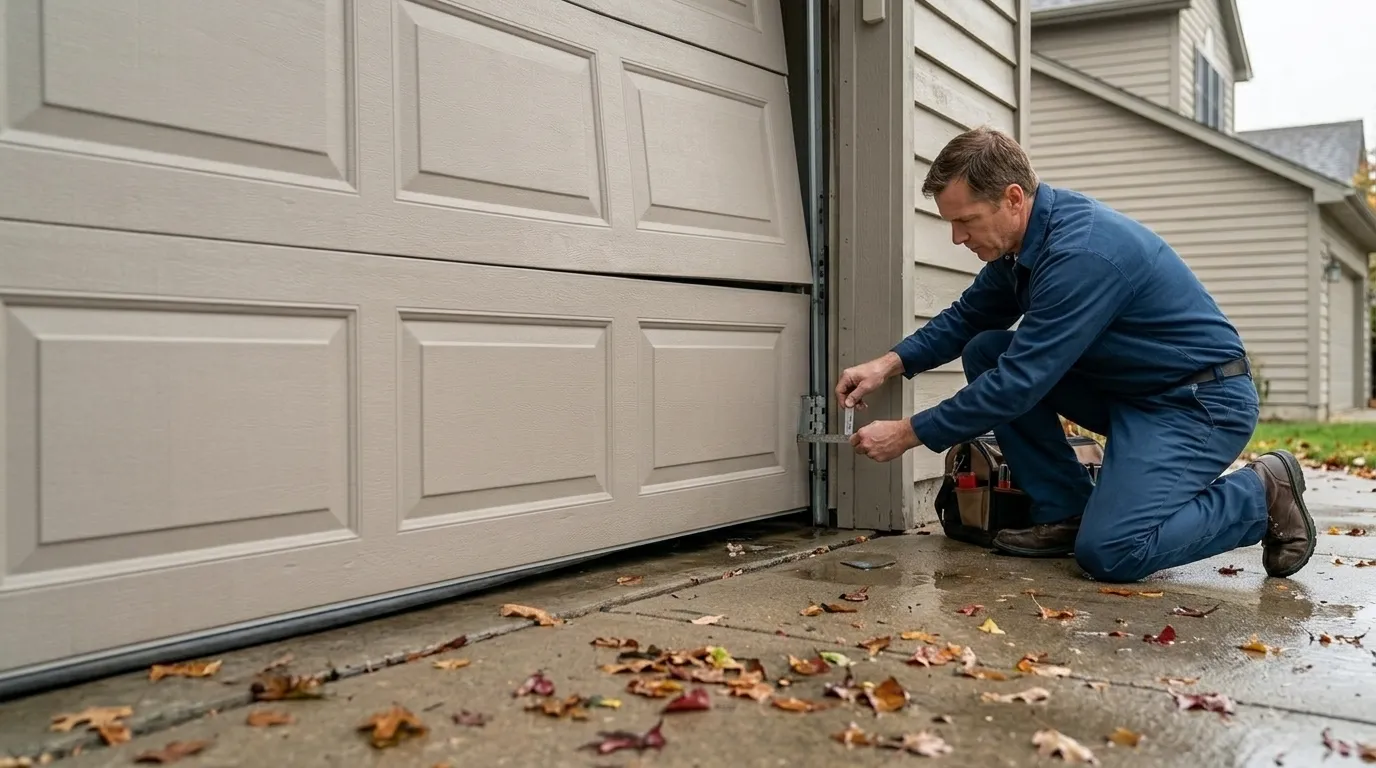
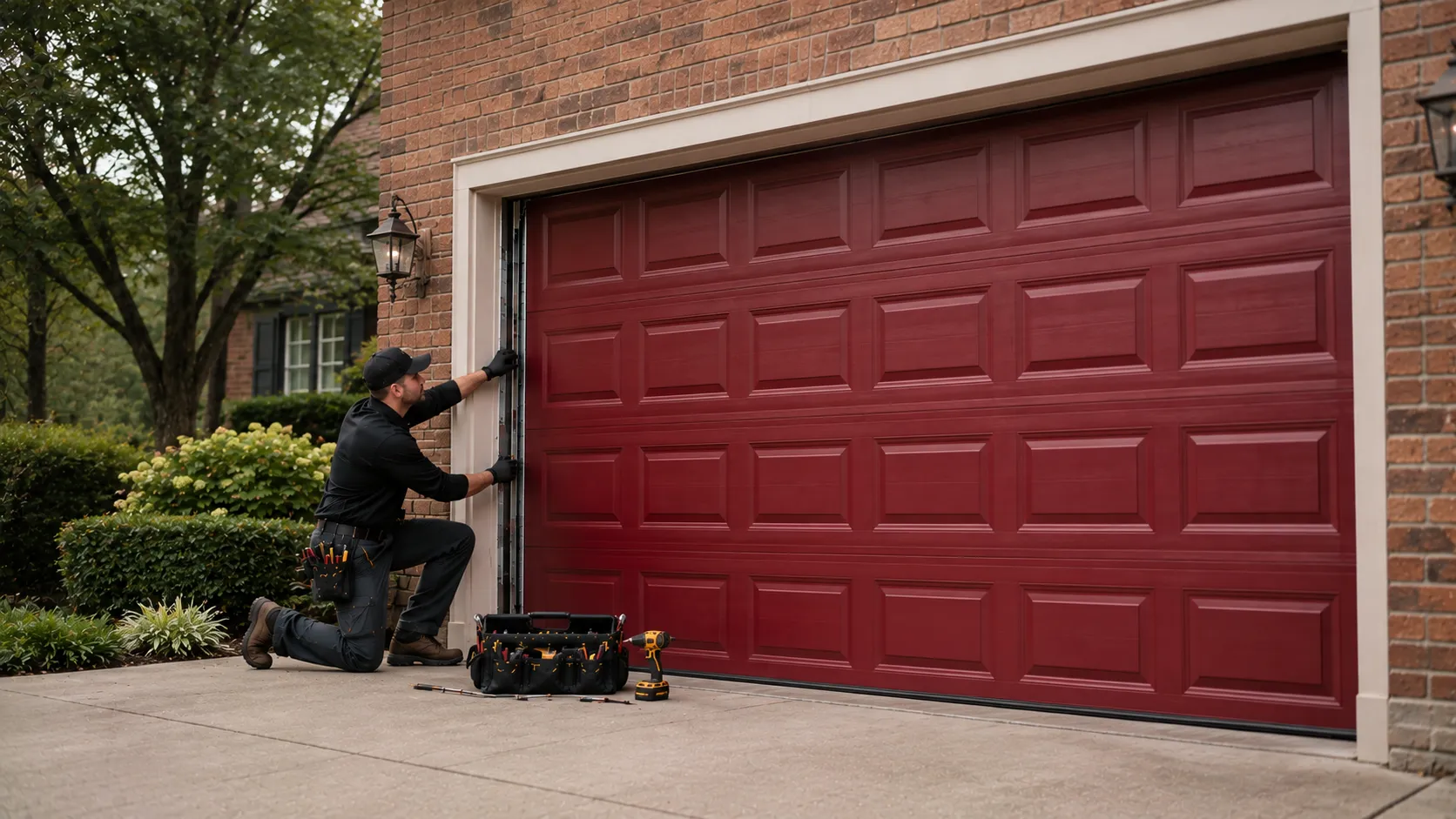
Most calls we get from this area fall into a short list. A torsion spring lets go, usually with a bang loud enough that someone's already outside checking on it before they call. An opener stops responding to the remote or the wall button, which is often the board rather than the motor. A door comes off track after a roller finally gives out, especially on doors still running the original steel rollers from the build year. And with the newer, higher-value doors common here, we get calls about replacing a damaged insulated panel rather than the whole door - a section that got backed into or dented, where the rest of the door and the hardware are still sound and don't need touching.