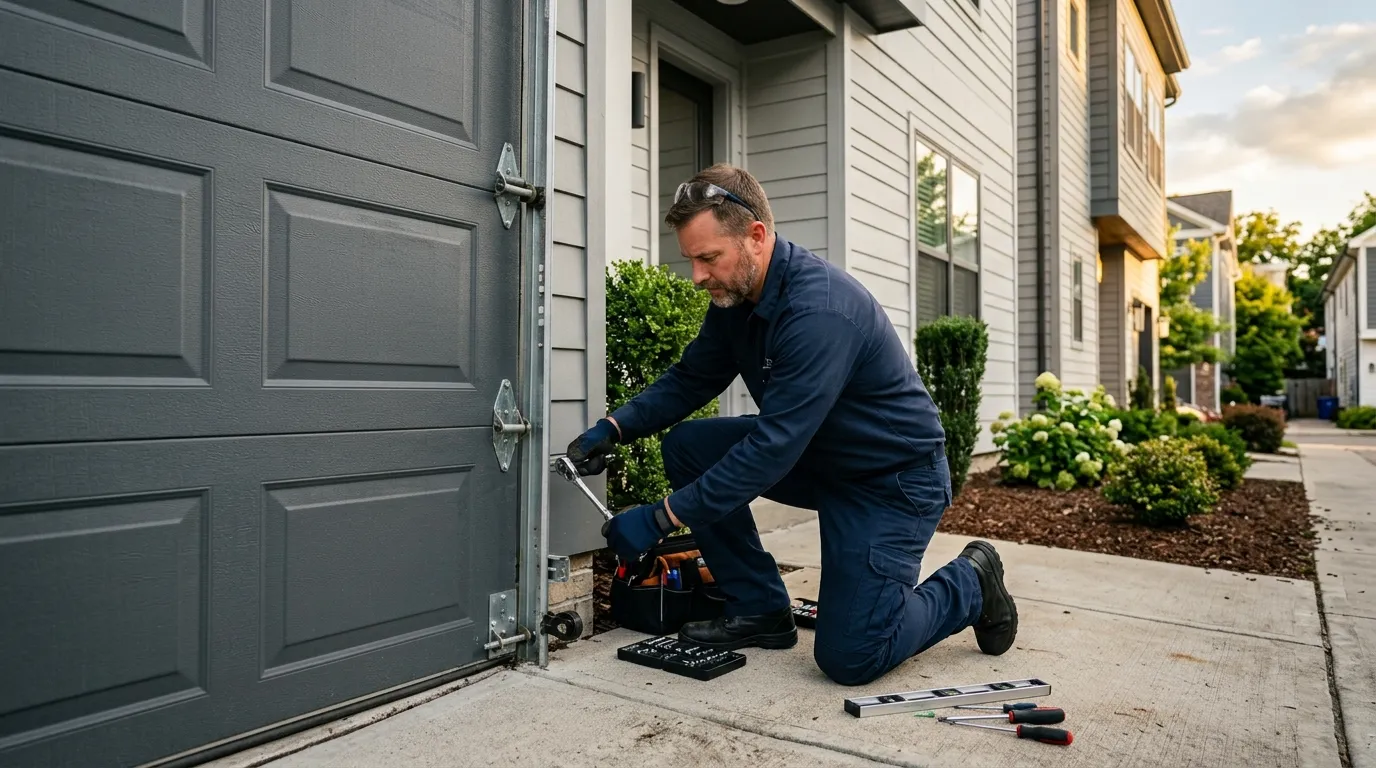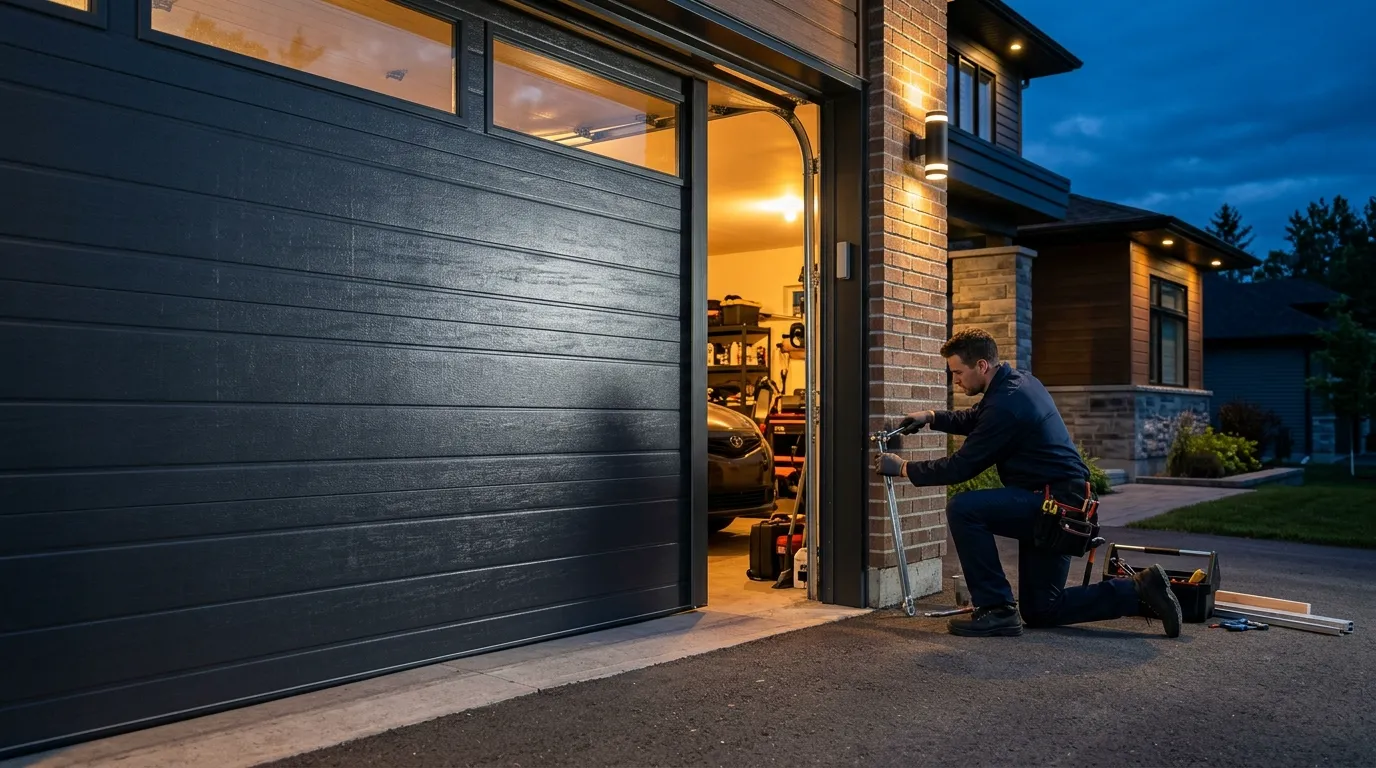
This Area's Housing
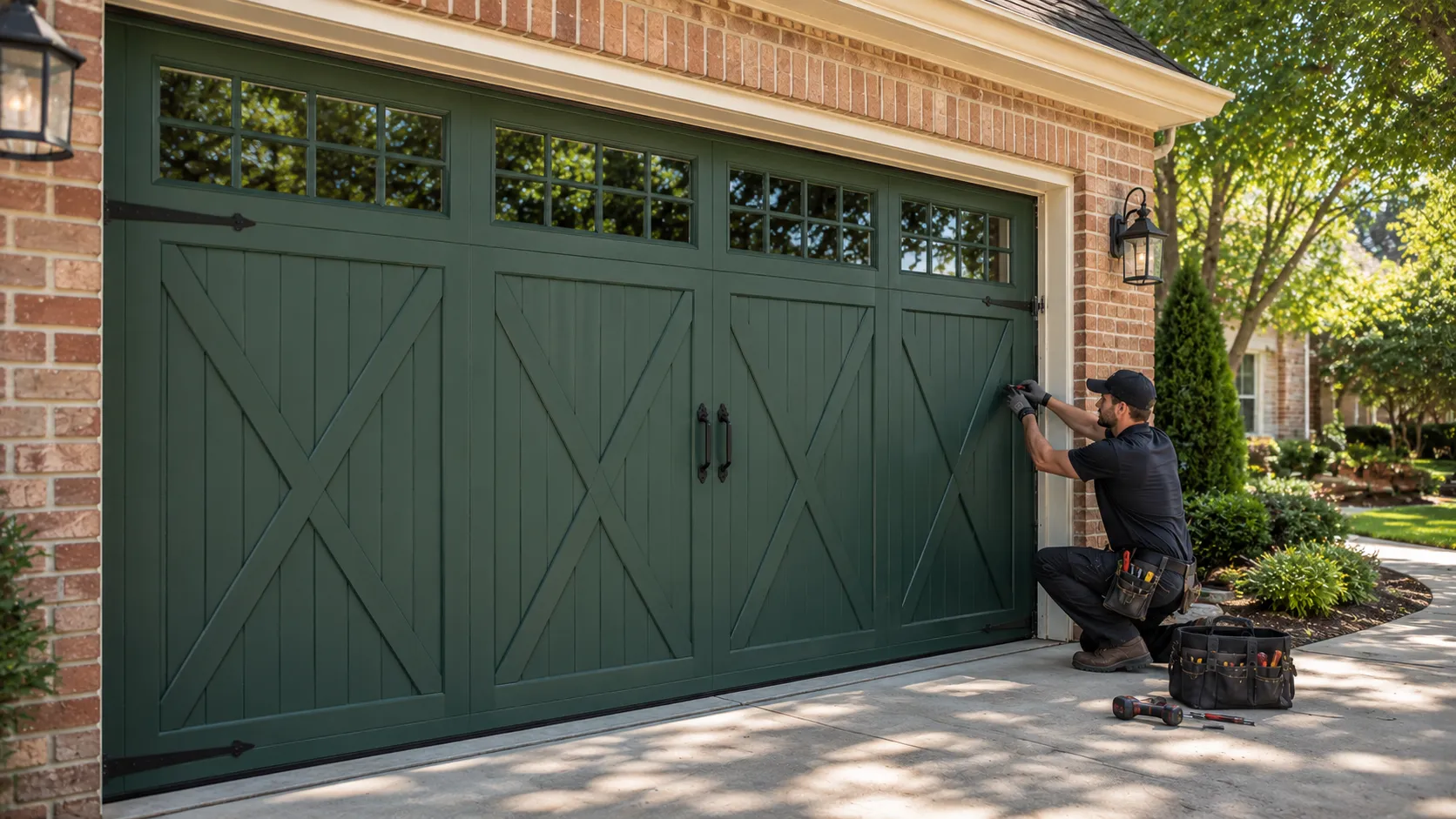
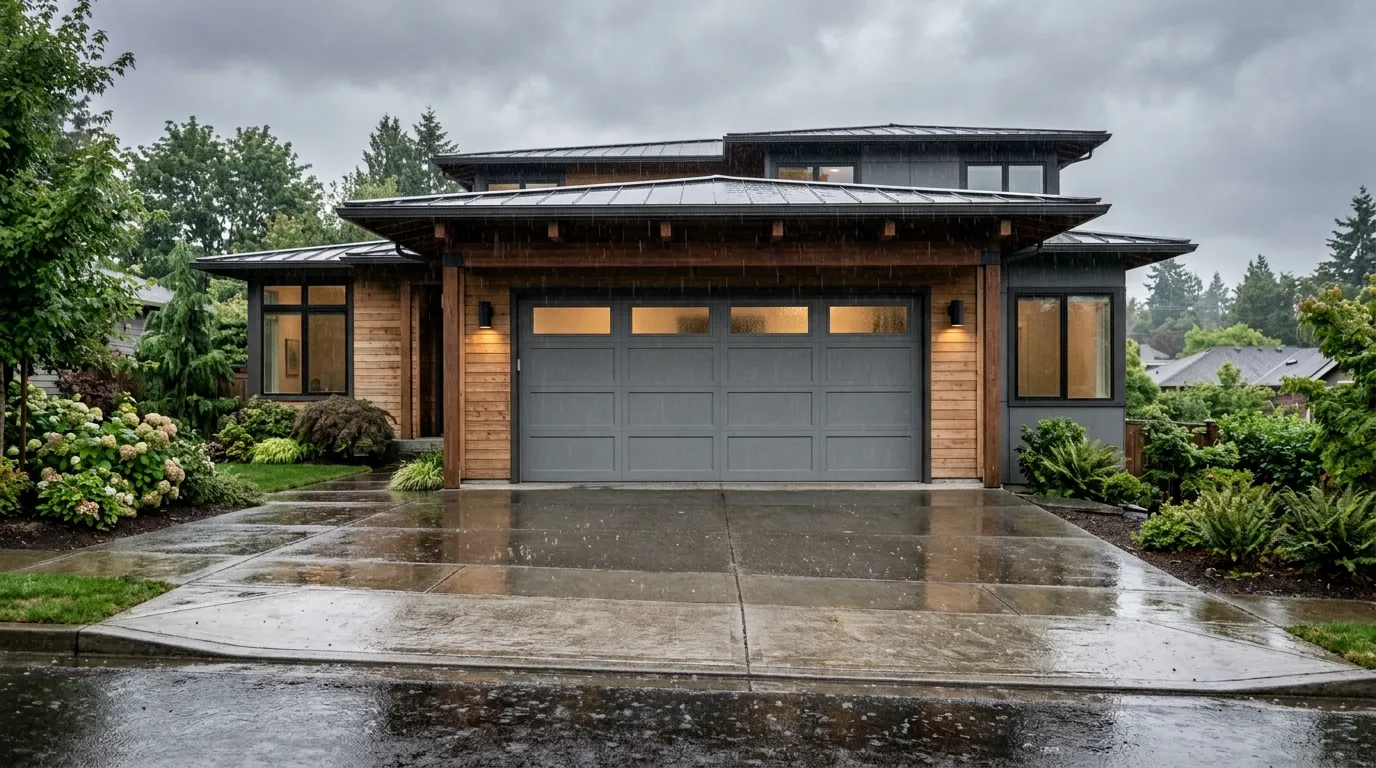
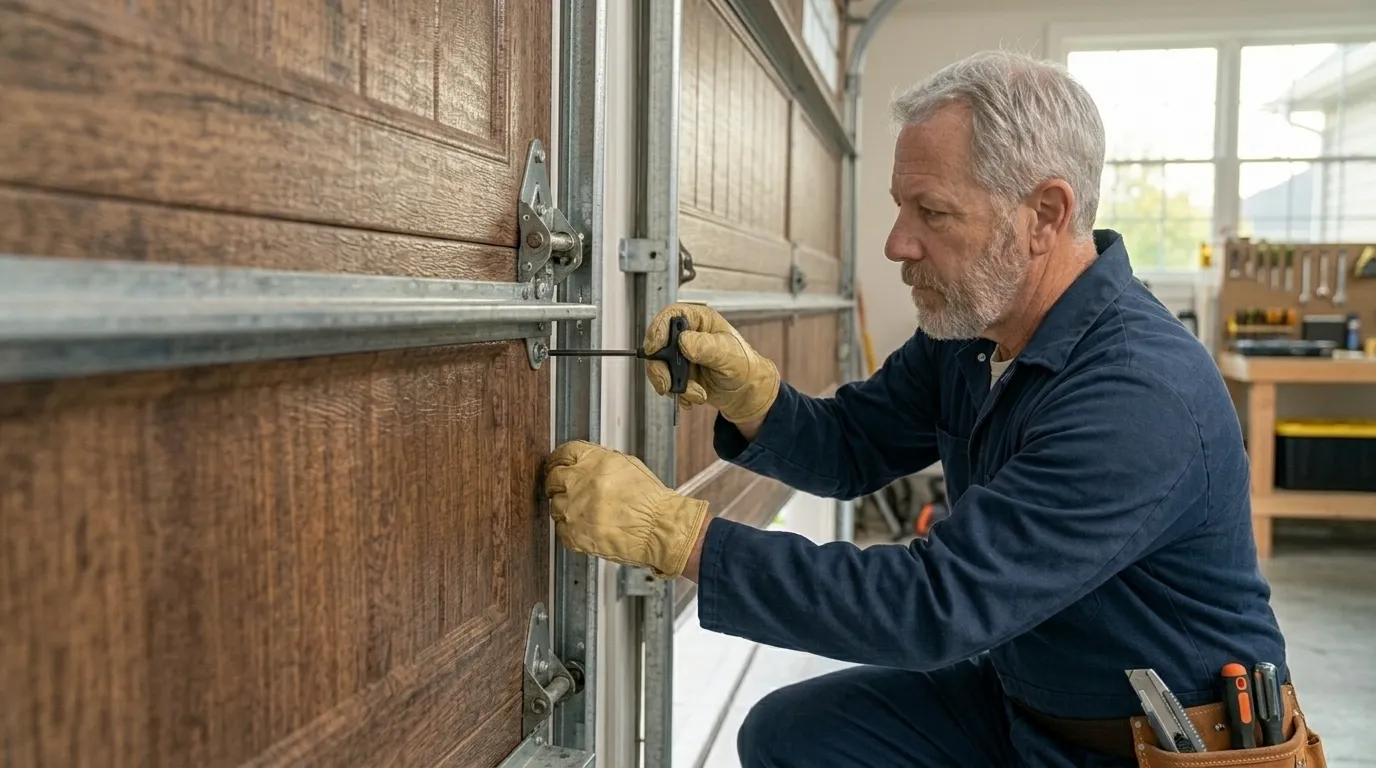
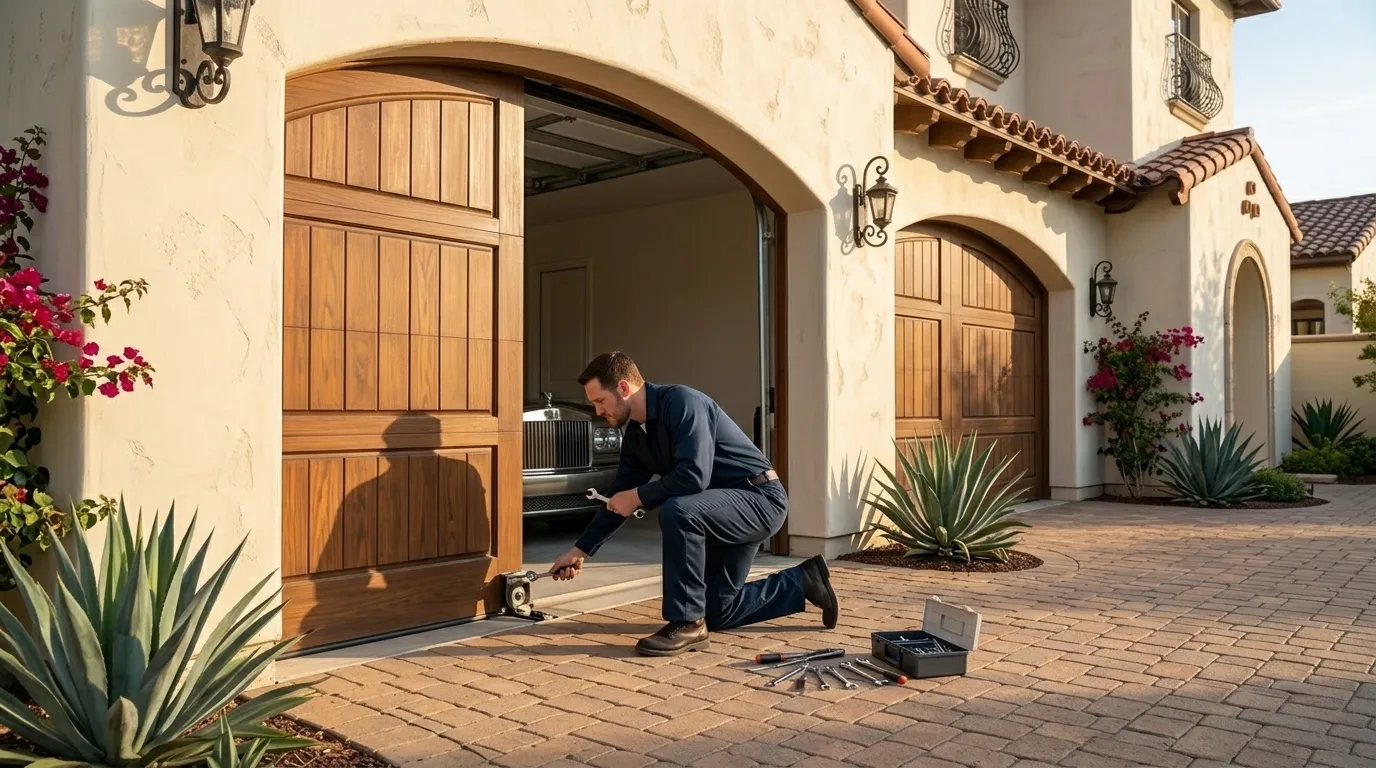
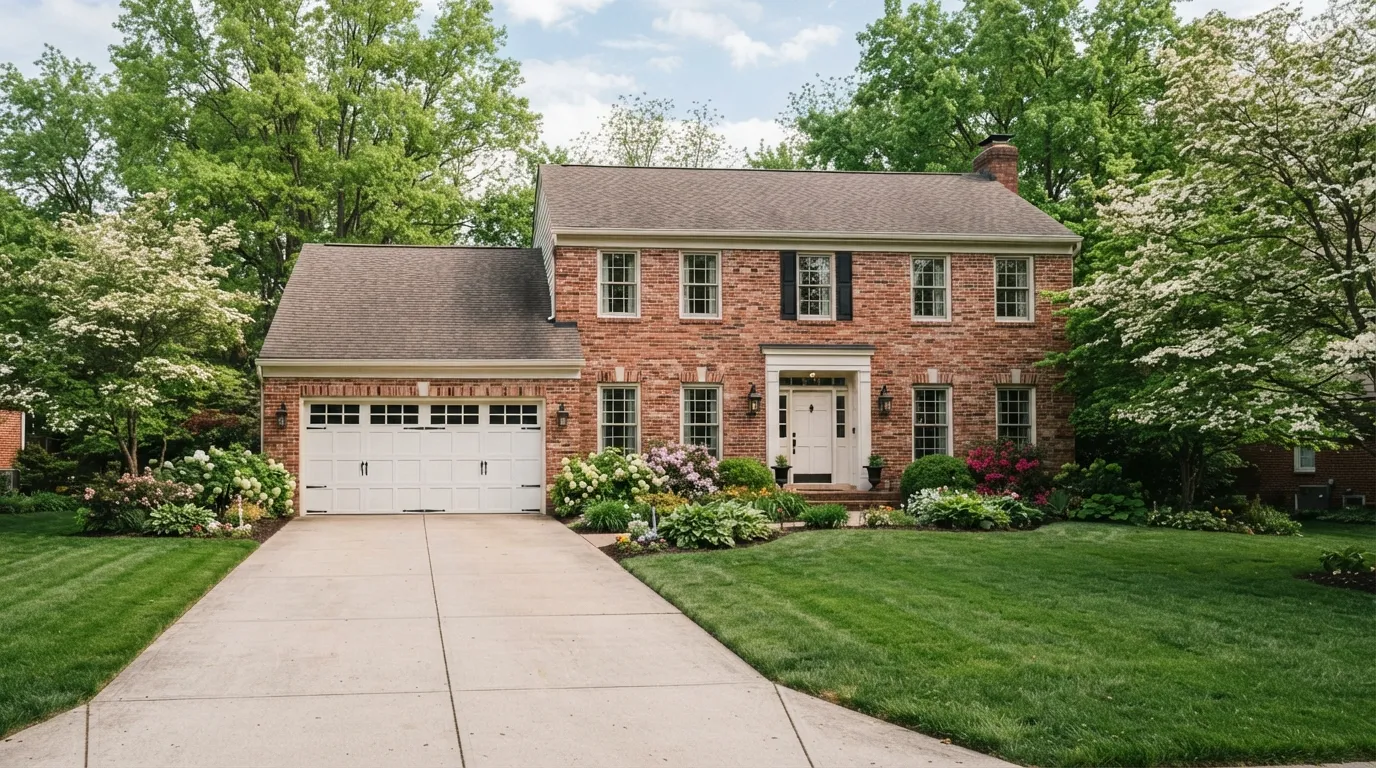
Winnetka's housing stock skews older than most of what we see across the wider service area. The median home here was built in 1938, well ahead of the 1964 median across the 86 named areas we cover. That gap matters. A lot of Winnetka's garages were built for a car half the width of what people drive now, with openings and framing sized to match. Some still carry their original wood doors, or a replacement installed decades ago that was never matched to the current opening. With 4,268 households in the area and a median income above $250,000, we also see a fair number of higher-end door replacements - real wood, custom panel work, insulated steel built to look like something older. It's a different job mix than the rest of the territory, and it calls for different parts on the truck before we even leave Chicago. One honest note: on doors from the 1930s and 40s, we sometimes can't get an exact hardware match same-day. Original track brackets and some spring sizes from that era just aren't stocked anywhere close by.
What That Means for Doors
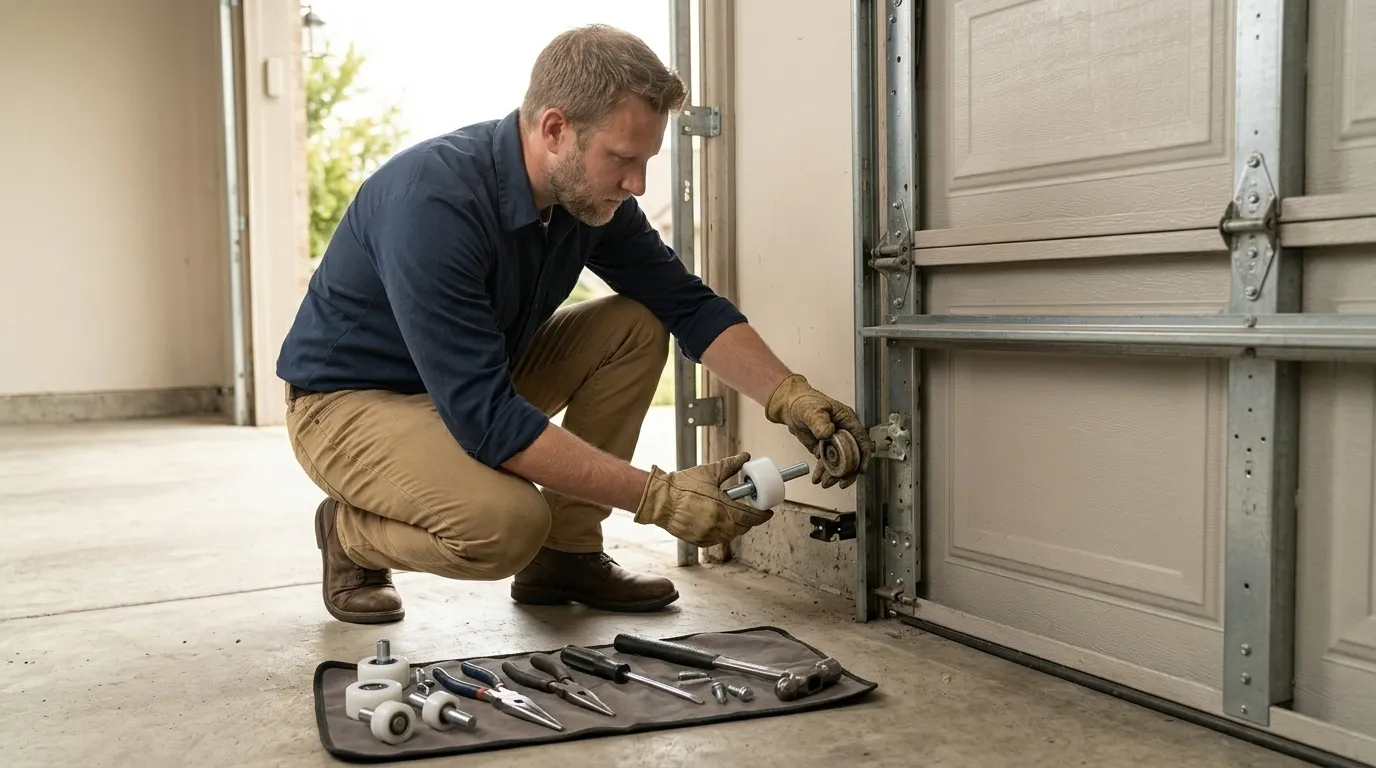
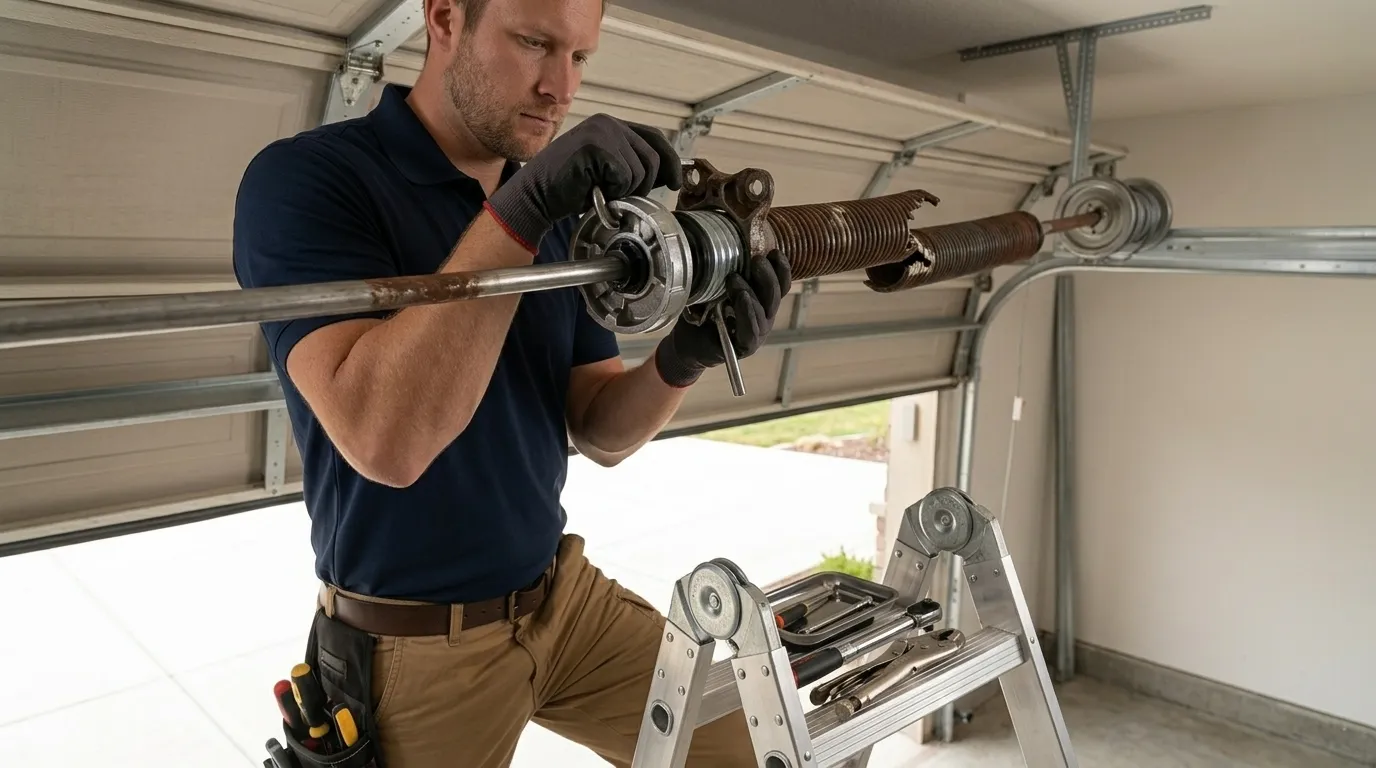
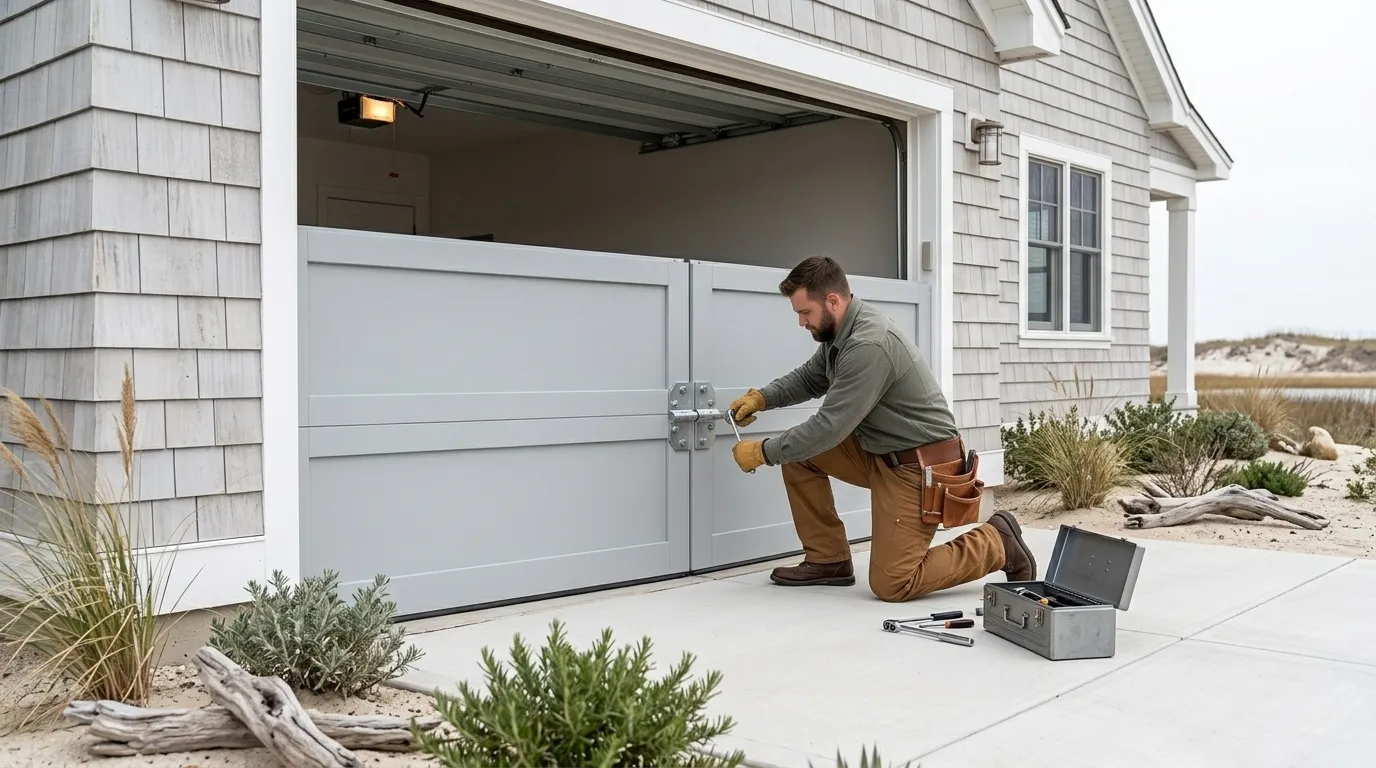
A door built to an opening from 1938 doesn't take a big-box replacement off the shelf. Older Winnetka garages often have narrower or shorter clearances than current standard sizes, non-standard track spacing, or headroom that was never meant for a modern insulated section. That means more measuring before ordering, and sometimes a custom or semi-custom door rather than the fastest option. The area sits in a cold, moderate climate band, so insulation and weatherstripping do real work here through the winter months - an old single-layer door on a heated garage is going to show it in the utility bill and in condensation on the panel. On the spring side, older torsion setups on these homes were sized for lighter doors than what's often hung on them now after a past upgrade, which is a common reason we find a spring undersized for the door it's lifting.
What People Here Ring About
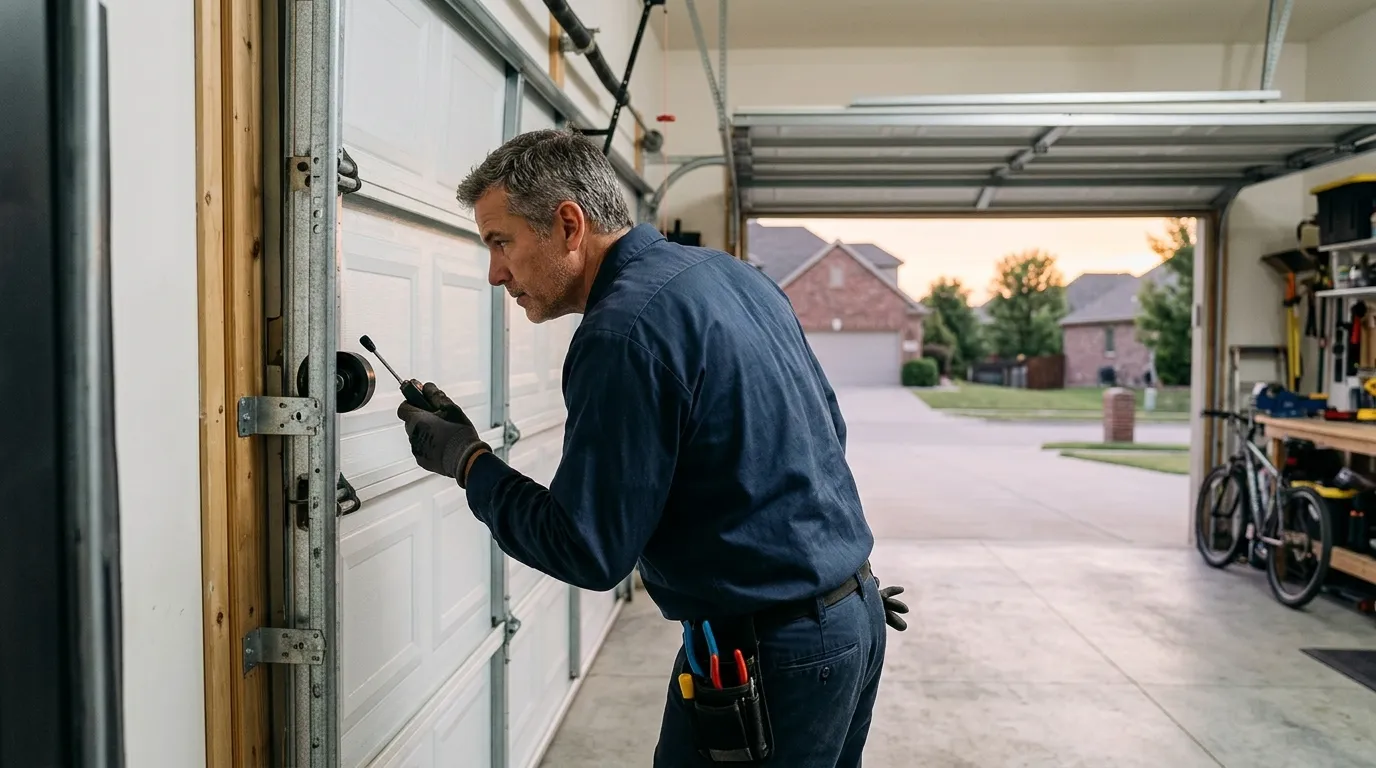
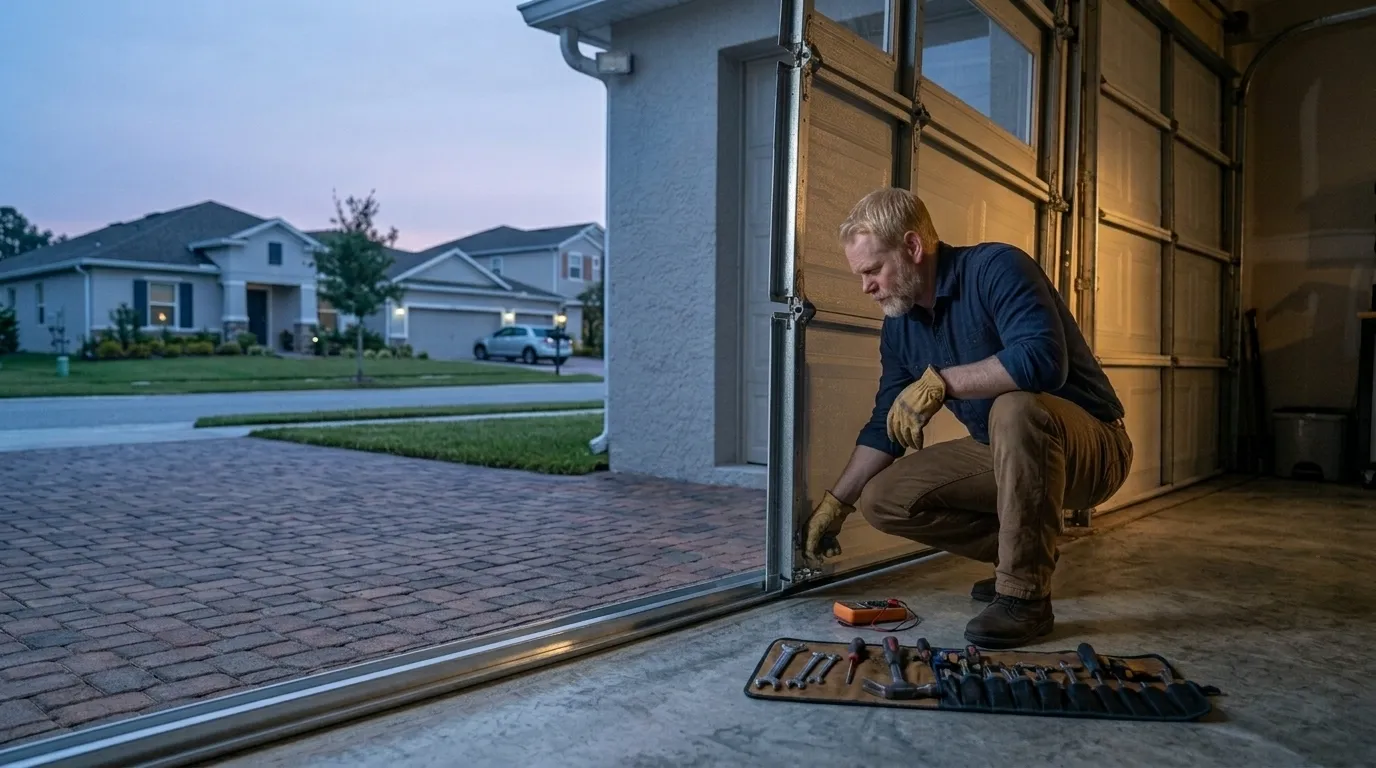
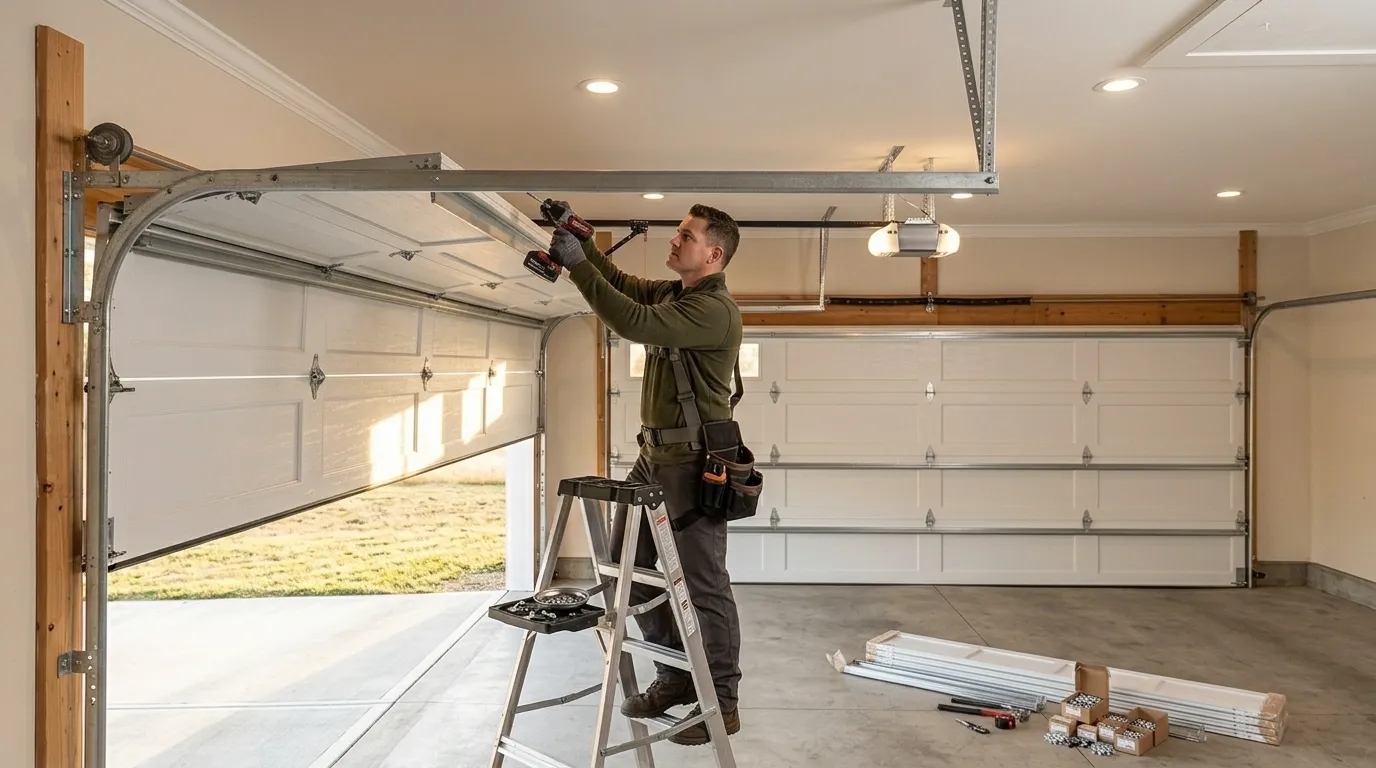
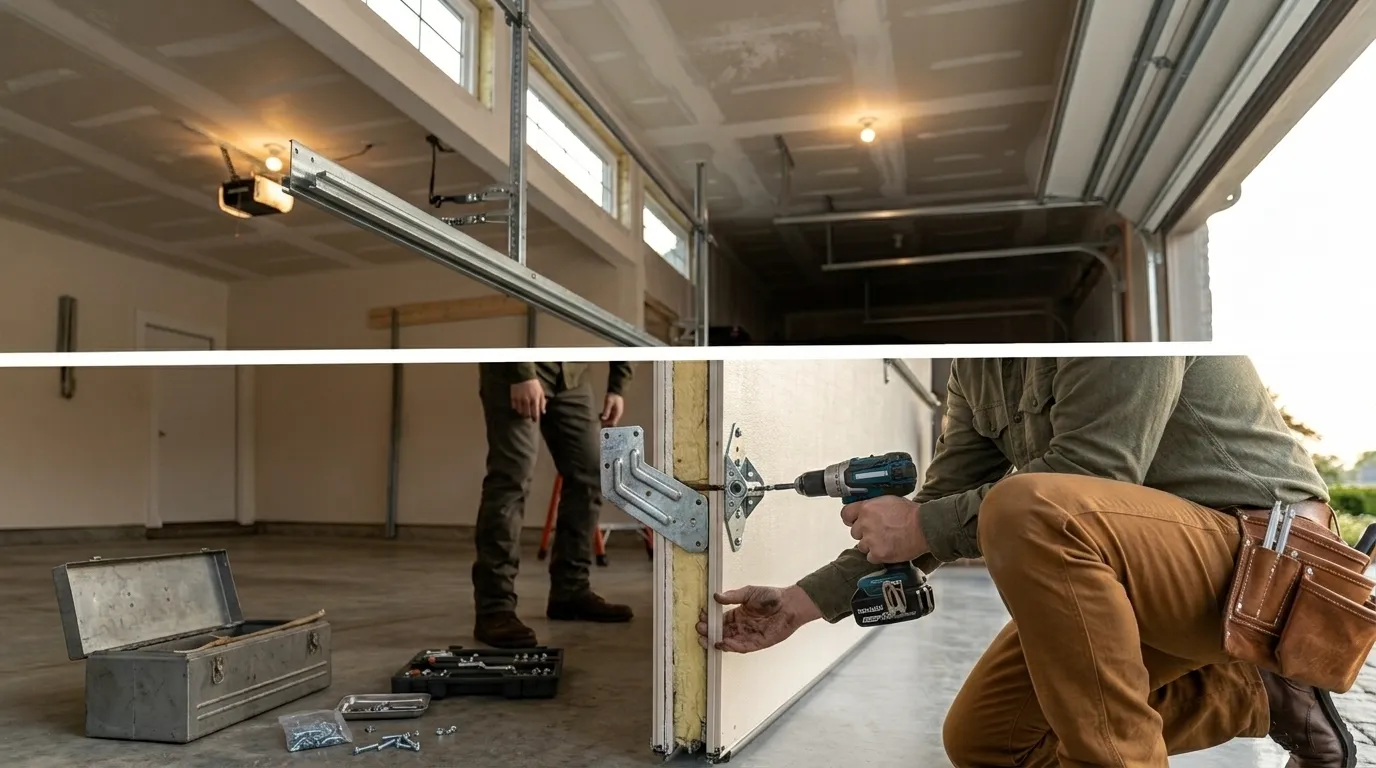
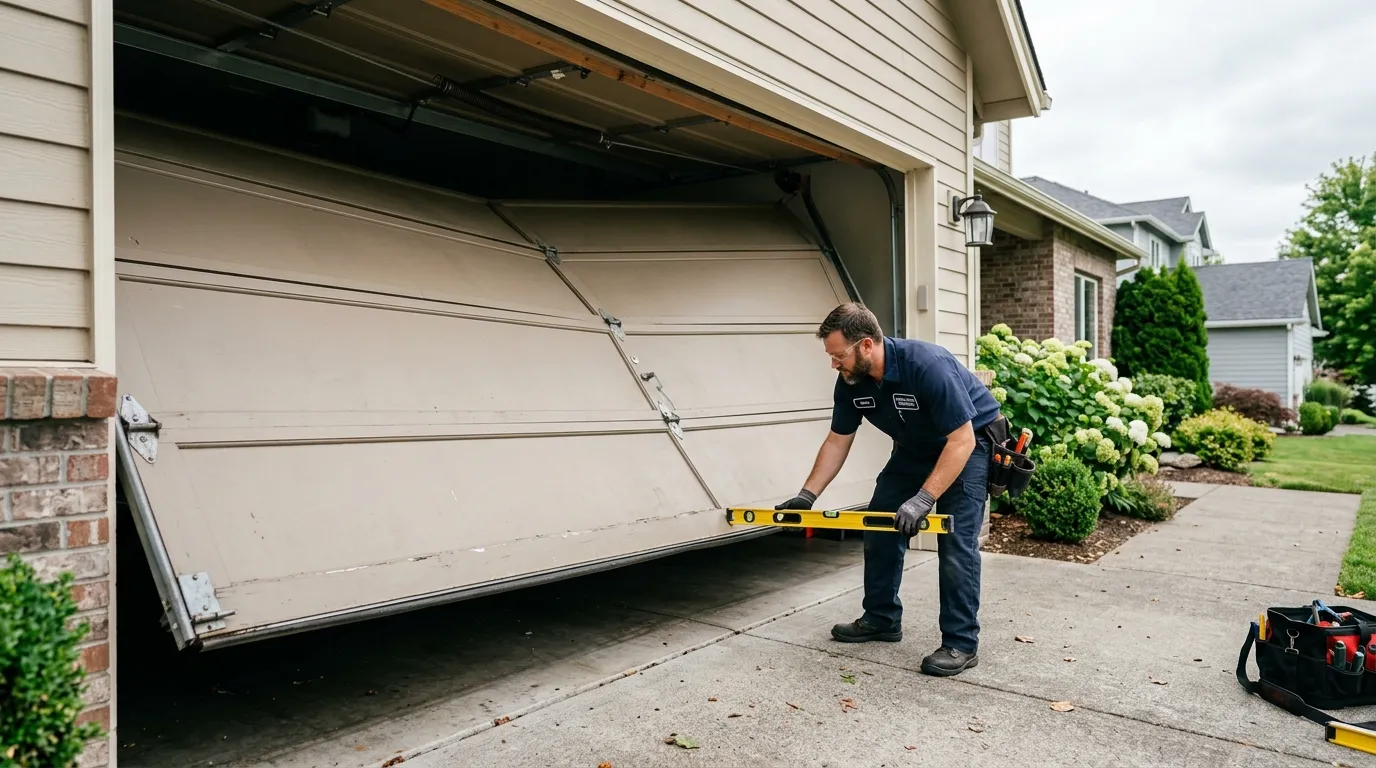
Most calls we get from this area fall into a few buckets. Broken torsion springs on doors that turn out to be older, heavier wood or wood-composite panels than the spring was rated for. Openers that won't pair with a door built before automatic openers were standard, where the track or the header bracket needs modifying, not just a new unit bolted on. And full door replacements where the owner wants something that matches a house built in the late 1930s or 40s rather than a generic steel slab. We also get calls about drafts and moisture around the door frame, which tracks with the age and insulation level of the housing stock here. Less common, but it happens: a door that's technically working fine but looks wrong for the house, which is really a design conversation more than a repair one.