This Area's Housing
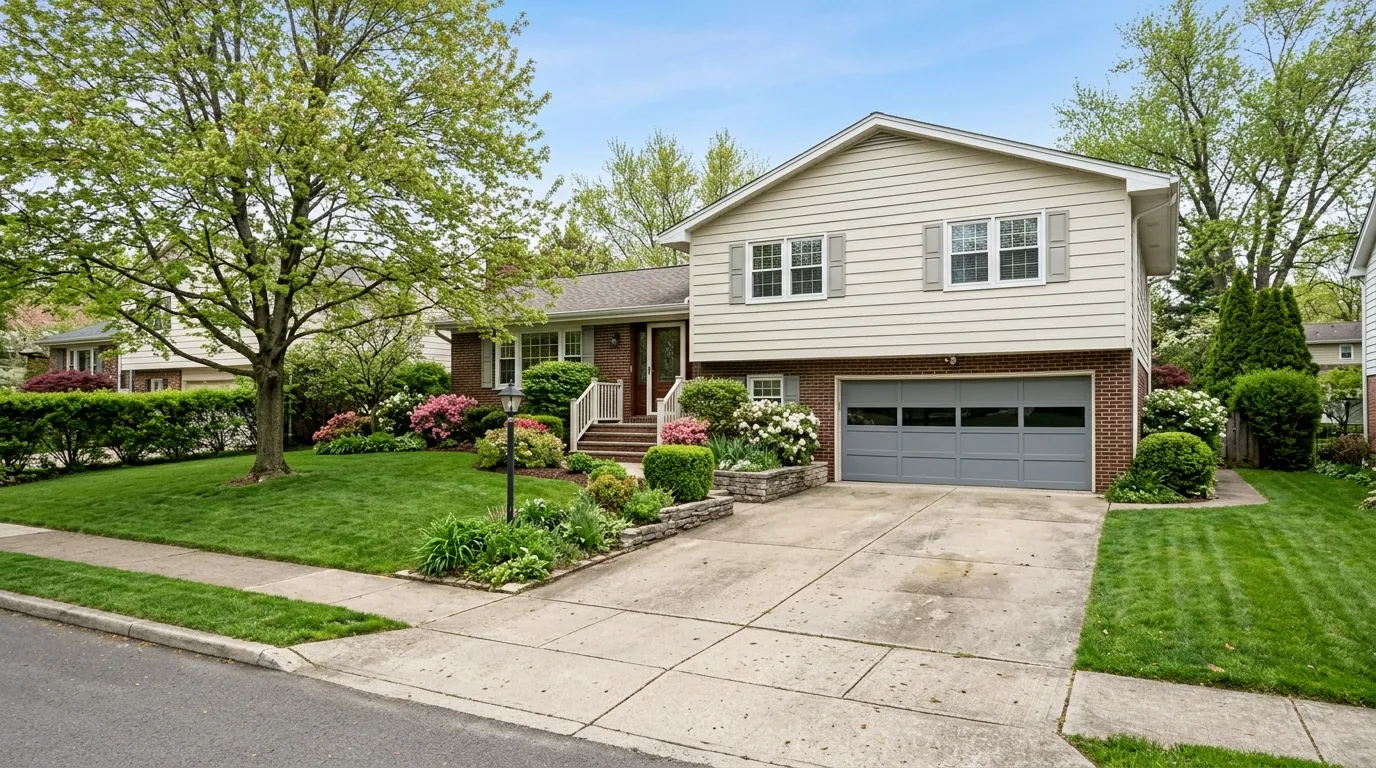
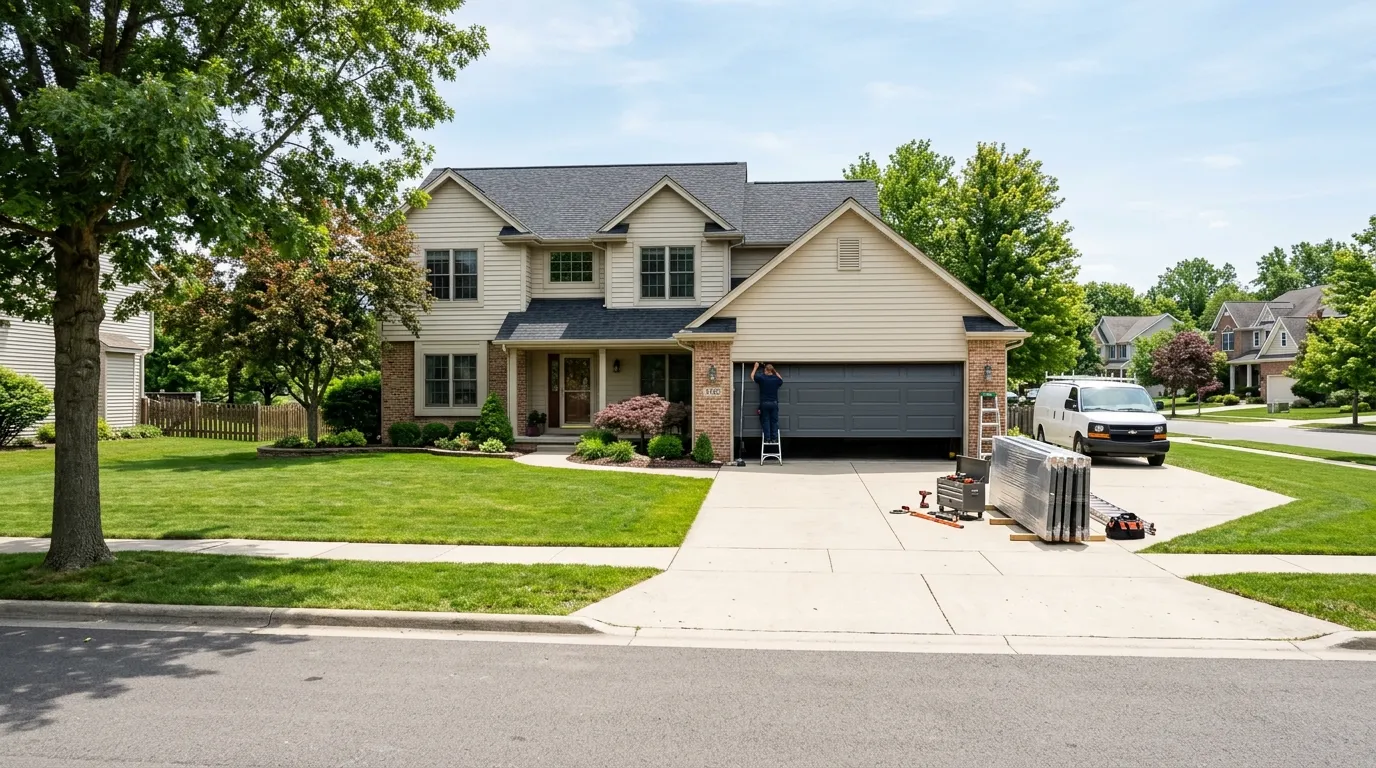
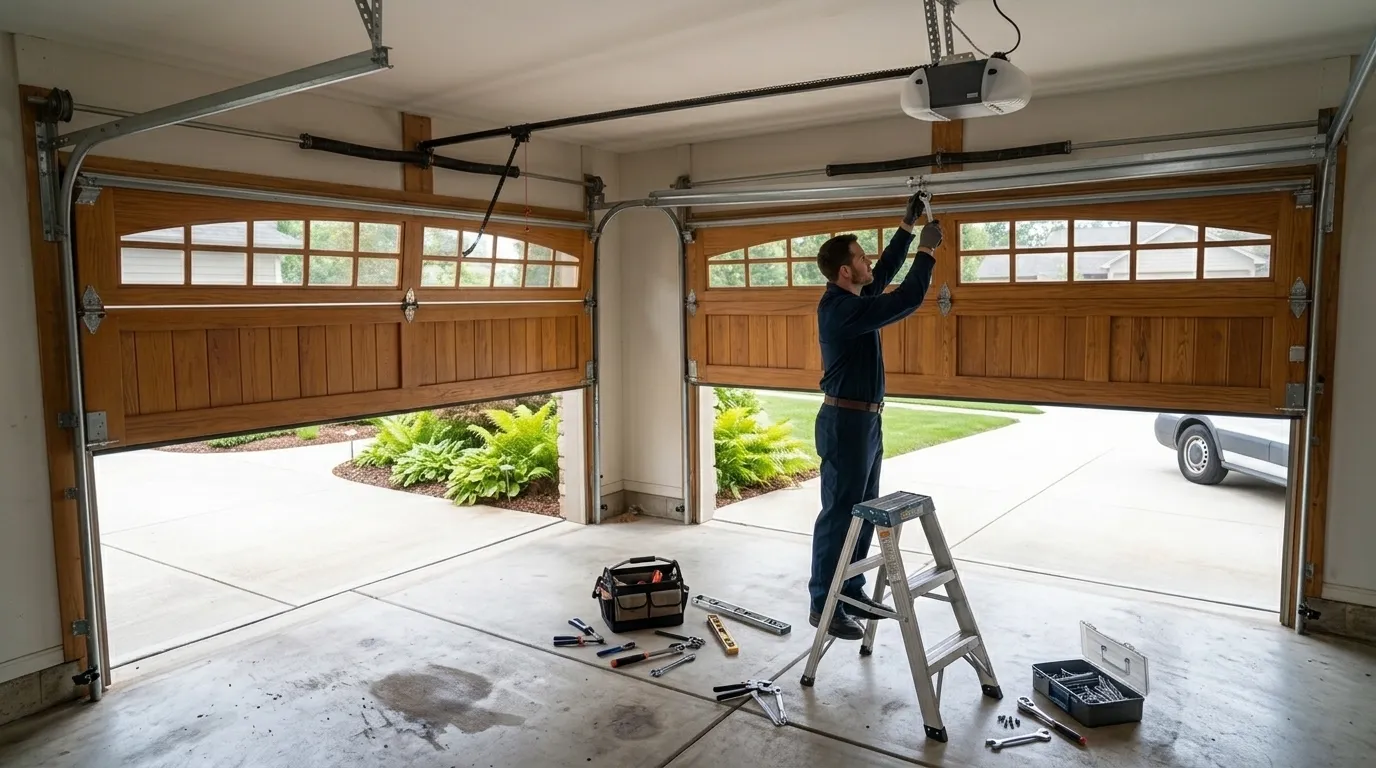
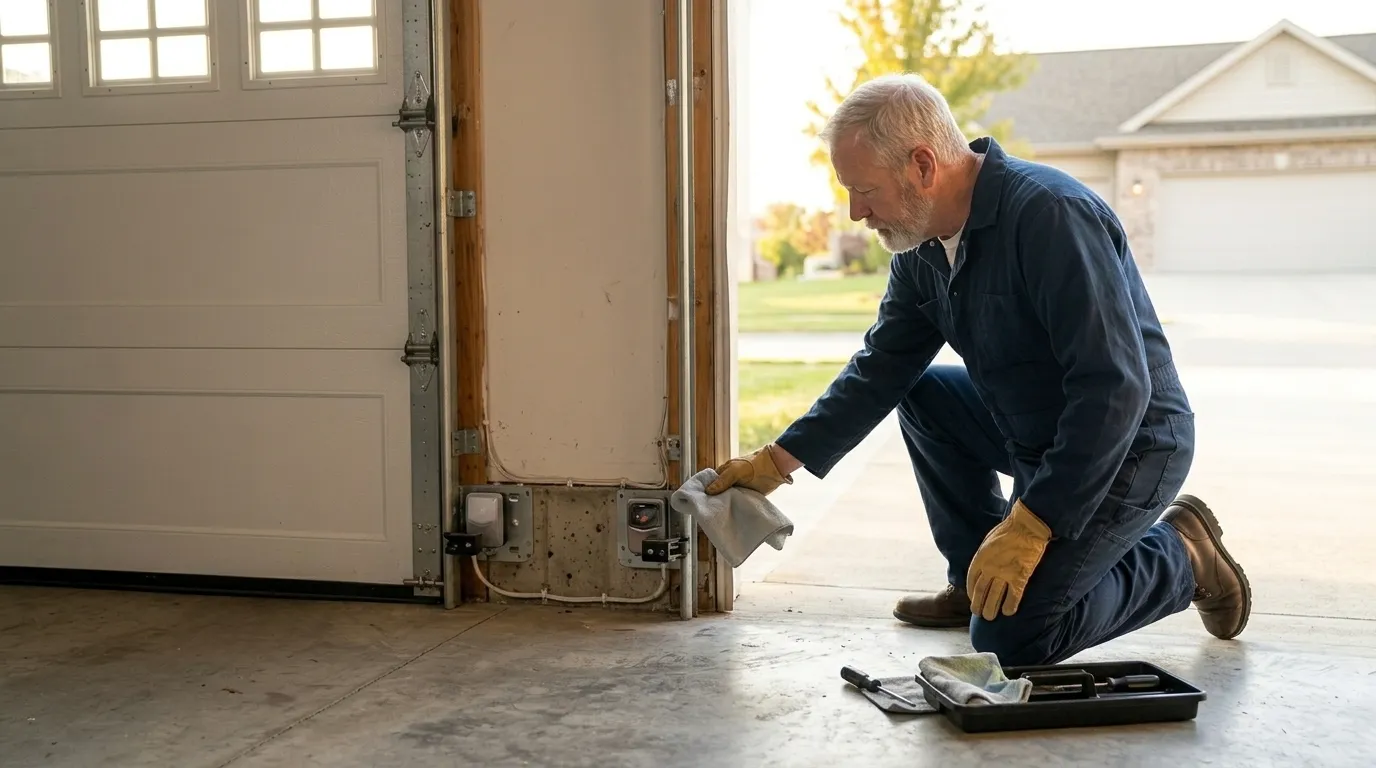
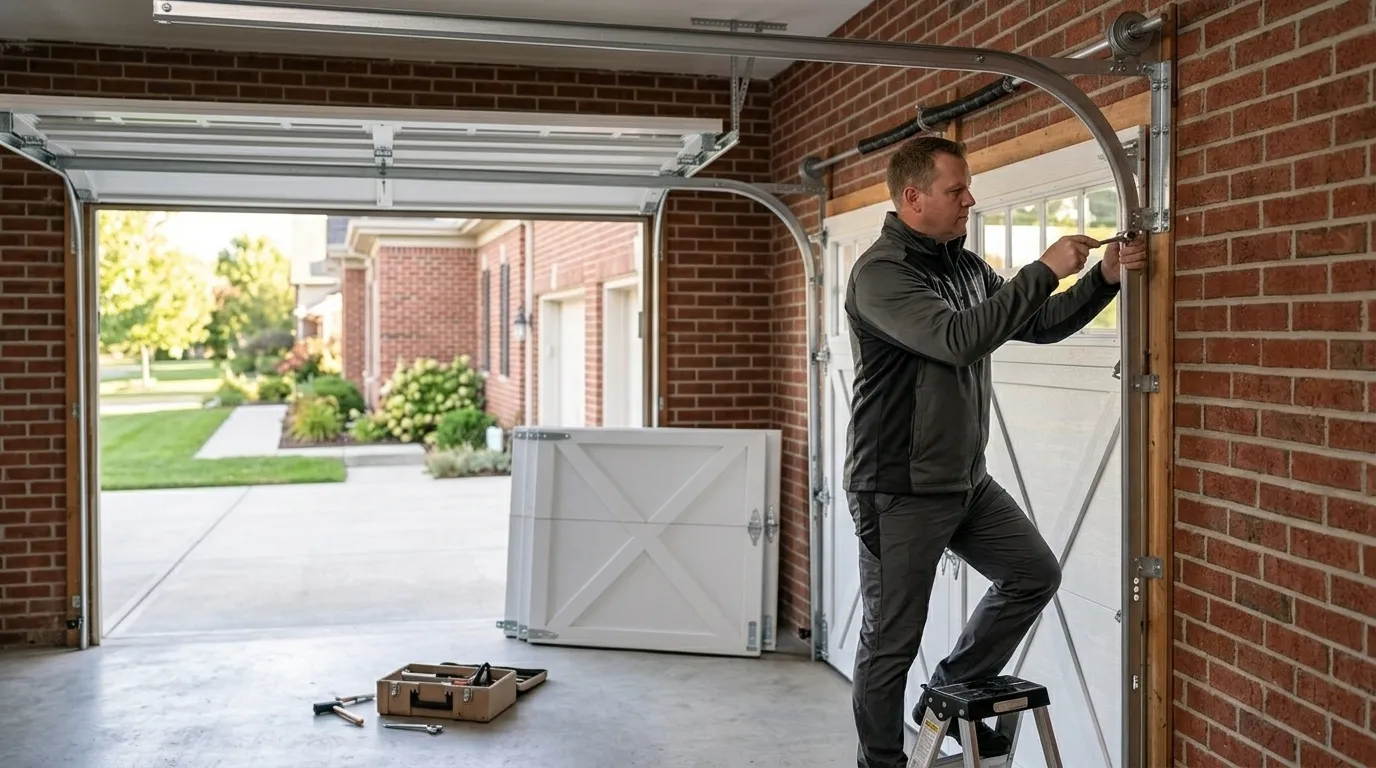
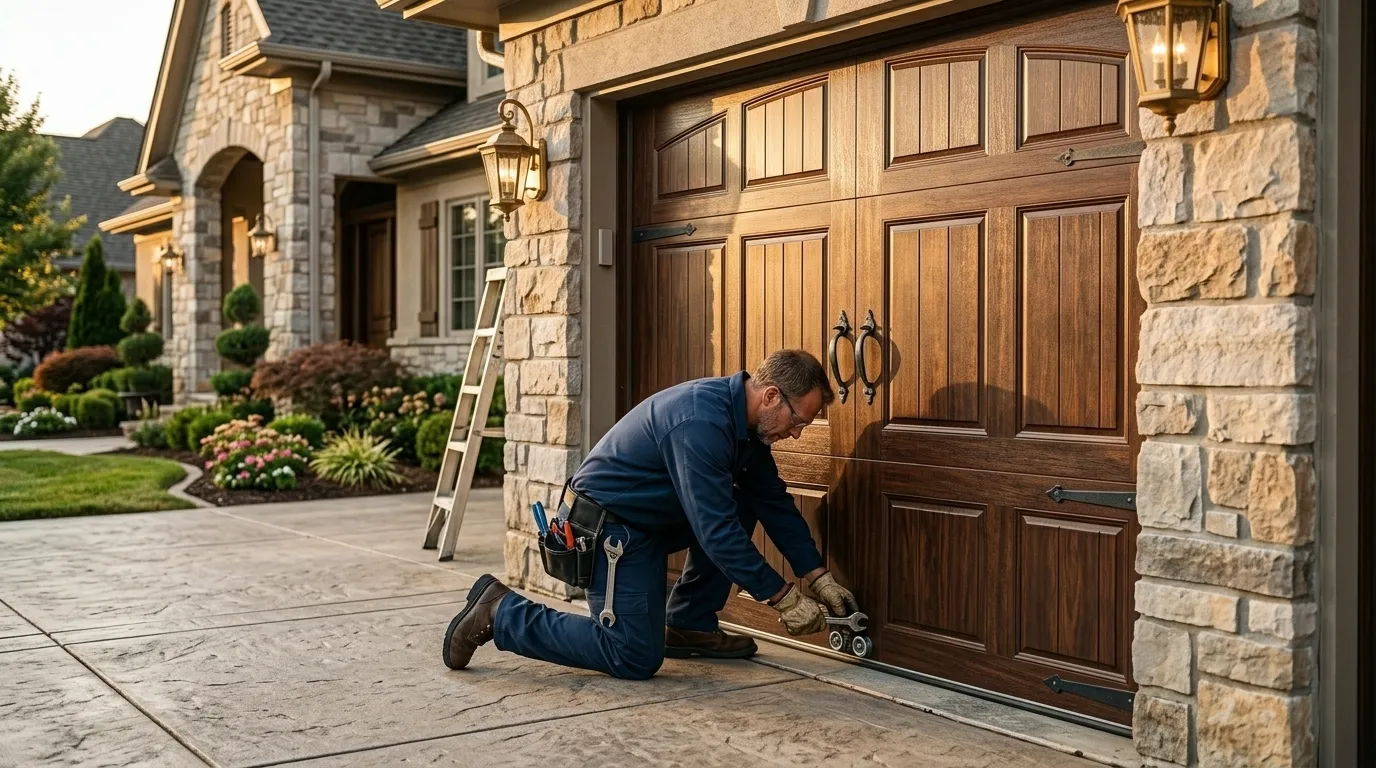
Wood Dale's median home was built in 1972, which puts it noticeably later than the broader service area's 1964 median and its mostly 1960s-70s mix across the 86 named communities we cover. That's not a small difference. A house framed in the early 70s came with a different garage bay, a different door track spec, and often a different opener setup than the 1950s and 60s builds we see closer to the city. With 5,206 households in Wood Dale and a median income of $90,408, this is a town where original garages tend to have been updated at least once, but the bones - the header height, the jamb width - are still whatever a 1972 builder put in. When we get a call here, we're usually looking at either the second or third opener on original 70s track, or a door that's been swapped once but is riding on hardware nobody touched since installation. Neither is a guess; it's just what that build year tends to produce.
What That Means for Doors
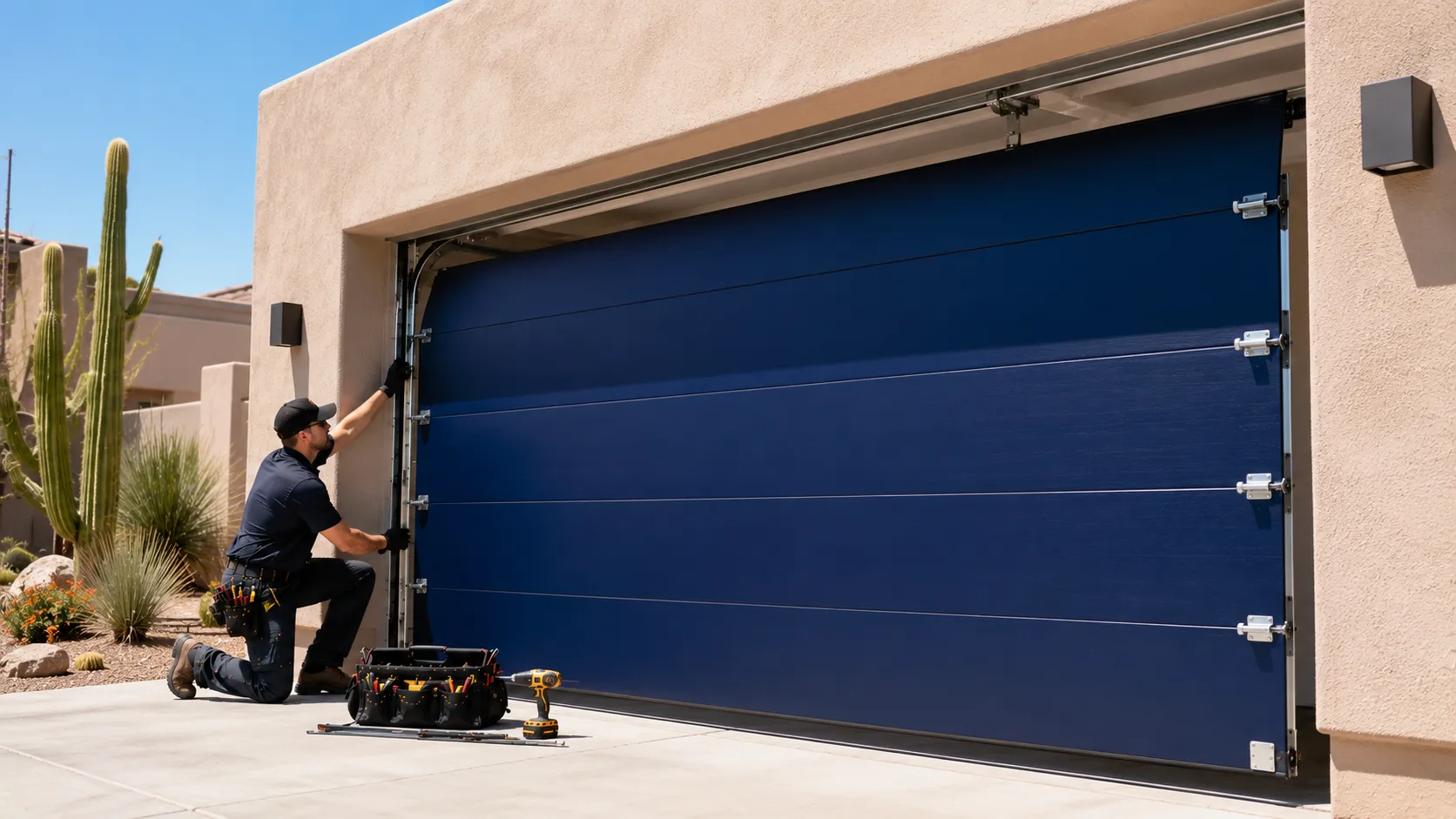
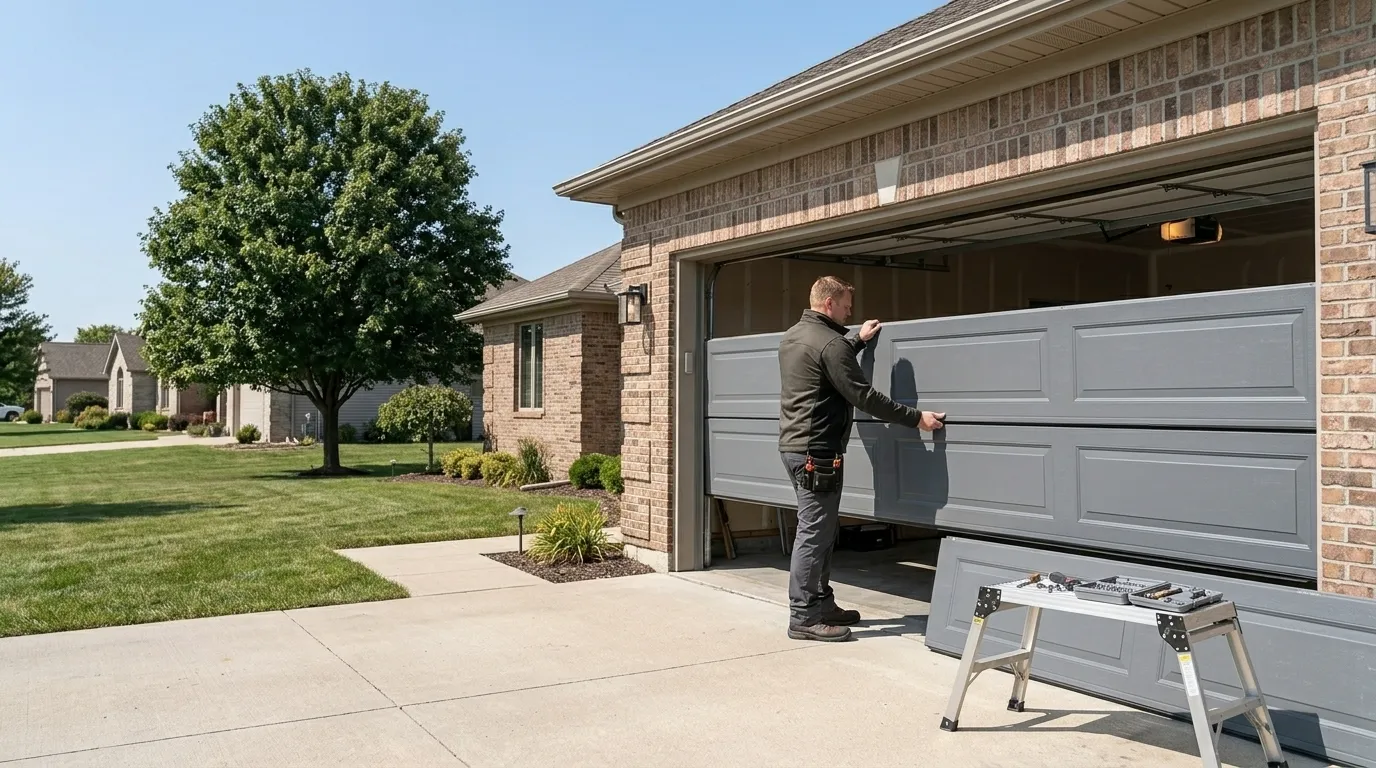
A door and opener installed around 1972, in the cold-moderate climate band this whole area sits in, tends to fail in specific ways. Steel doors from that era were often single-layer, no insulation core, and they've had fifty-some winters of contraction and expansion working on the seams and the roller tracks. Openers from a second or third generation - the ones installed when the original chain-drive finally gave out sometime in the 80s or 90s - are commonly on worn drive gears by now. Extension springs, more common than torsion setups in that build period for single-car bays, lose tension gradually rather than snapping clean, so owners often describe a door that's gotten