What Is on These Garages
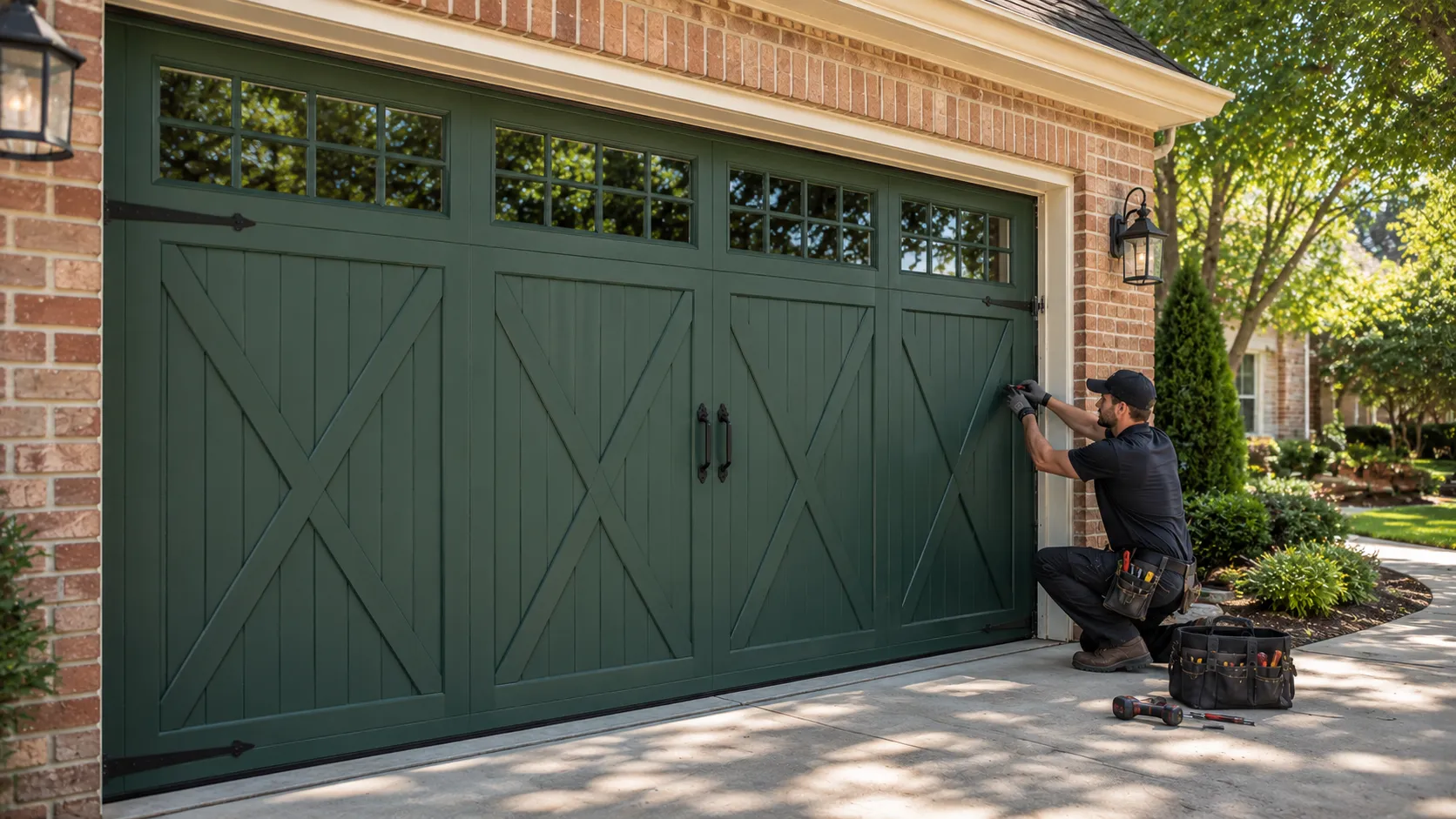
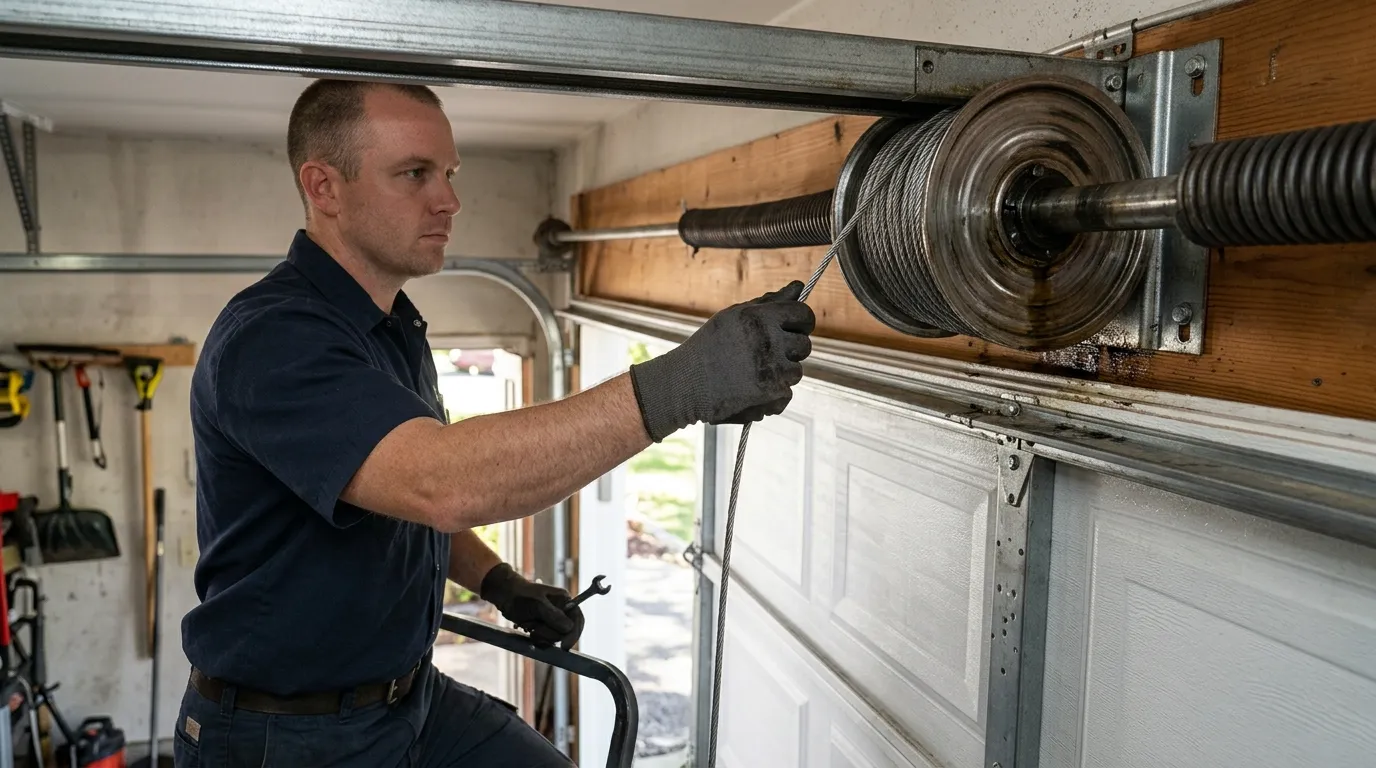
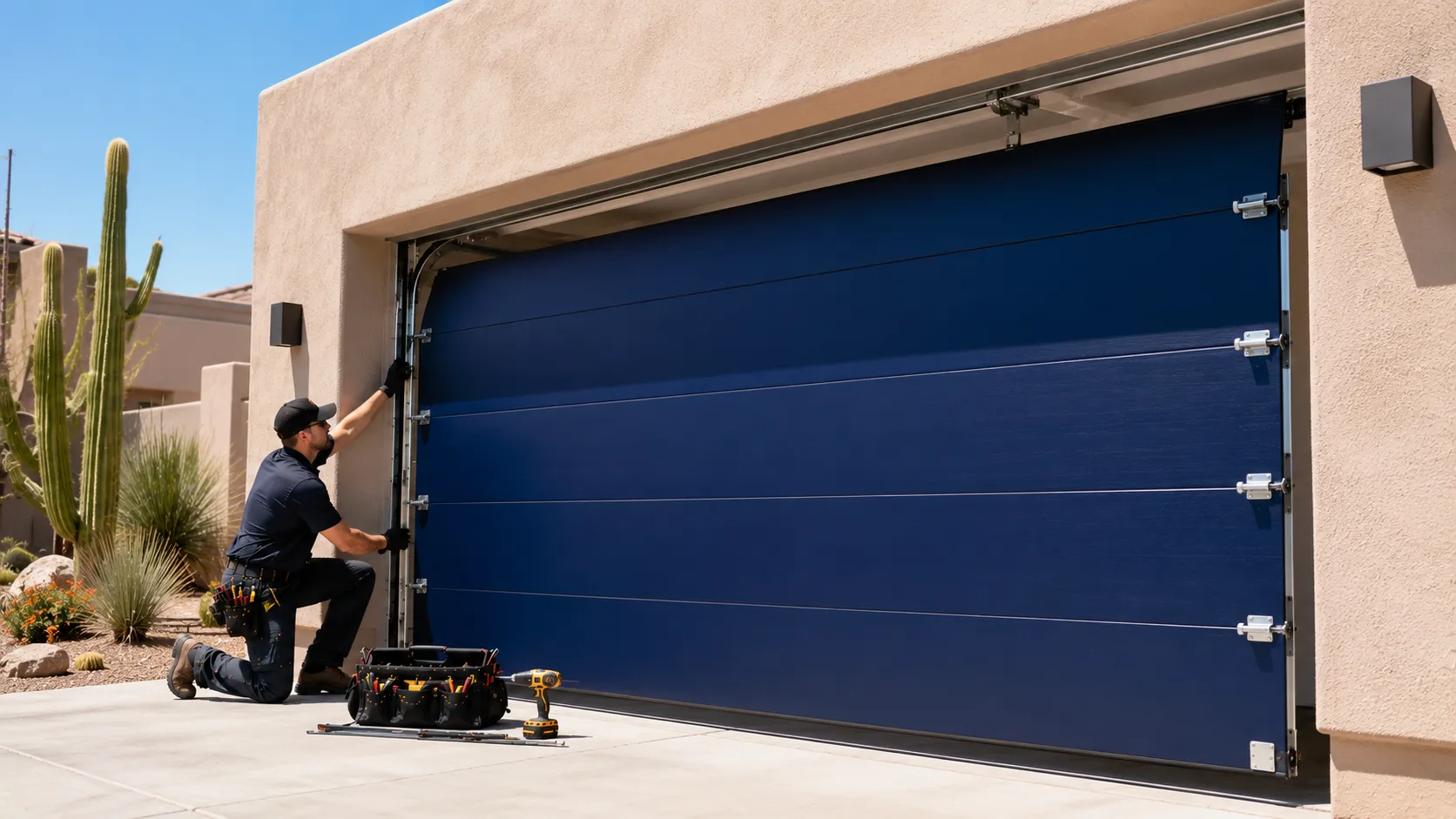
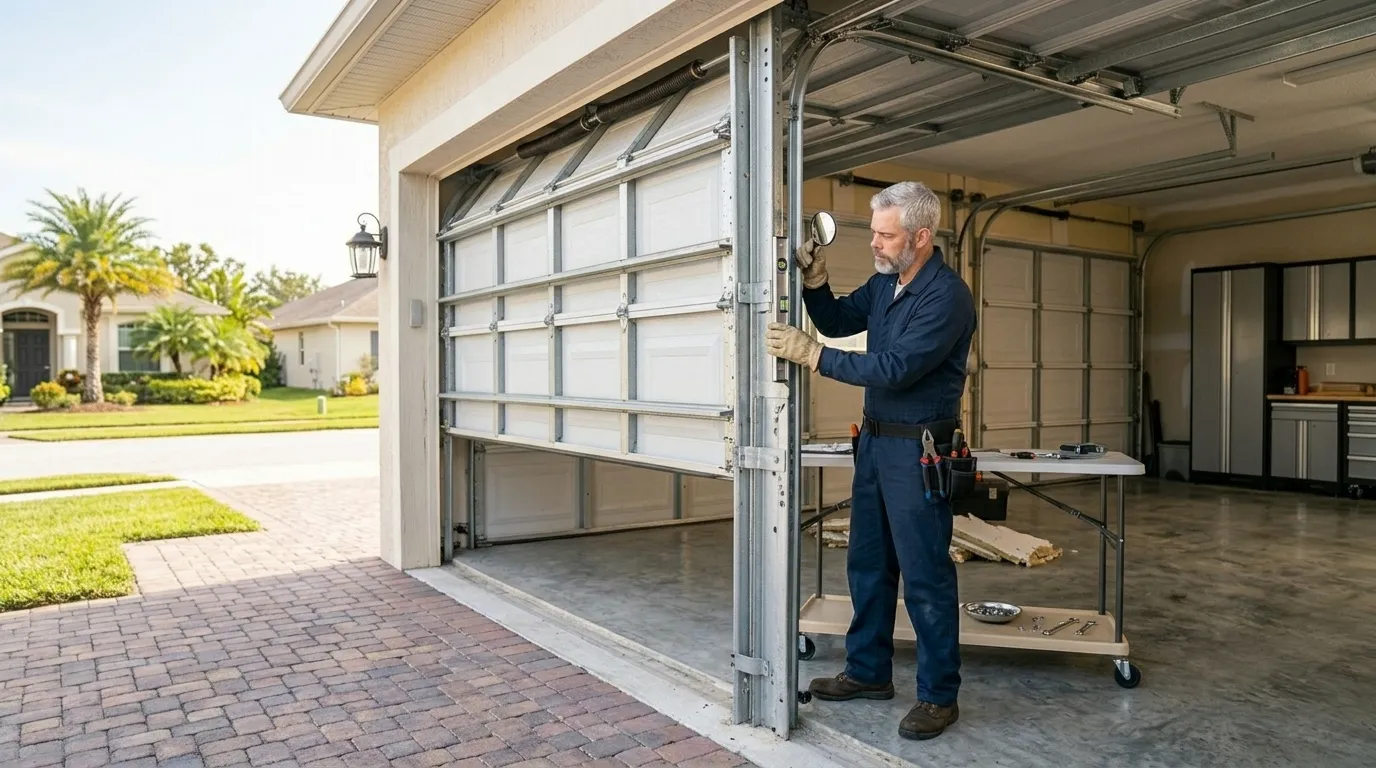
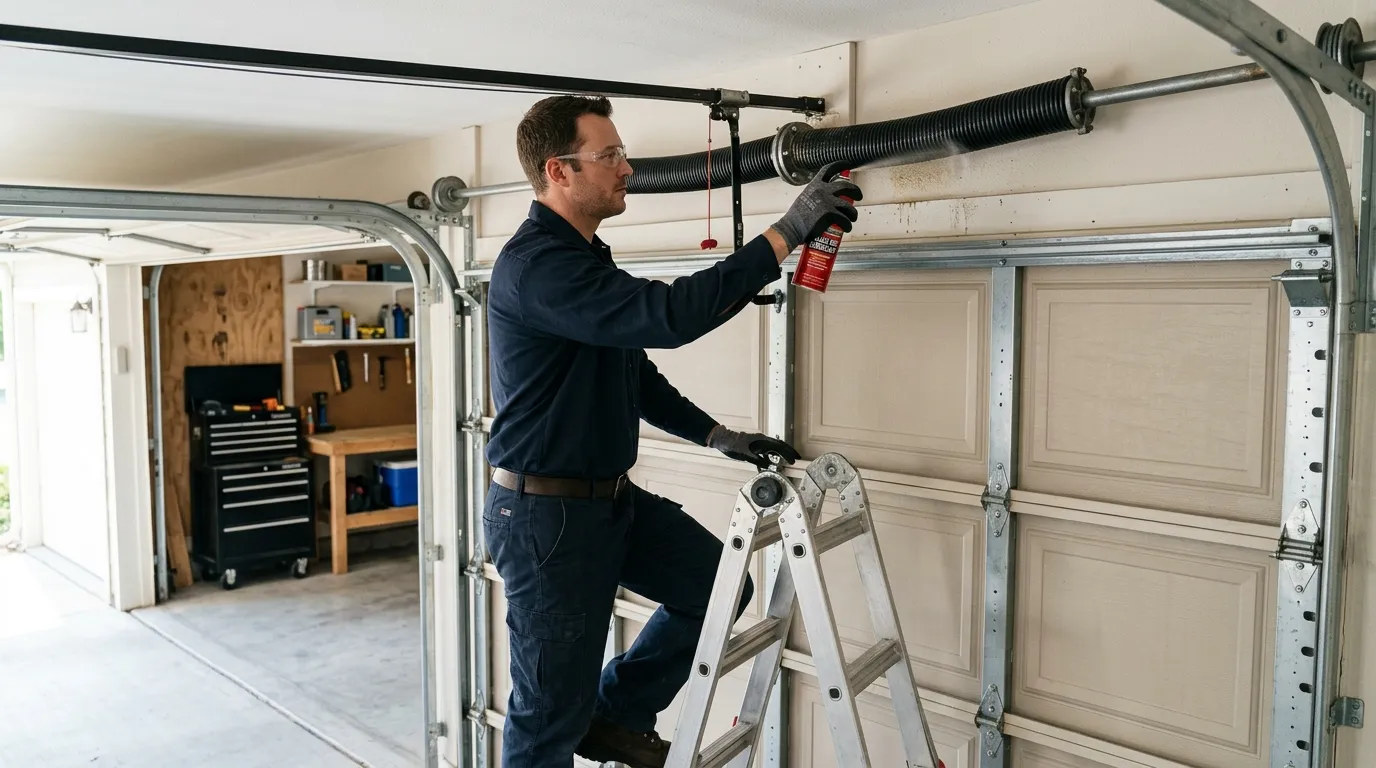
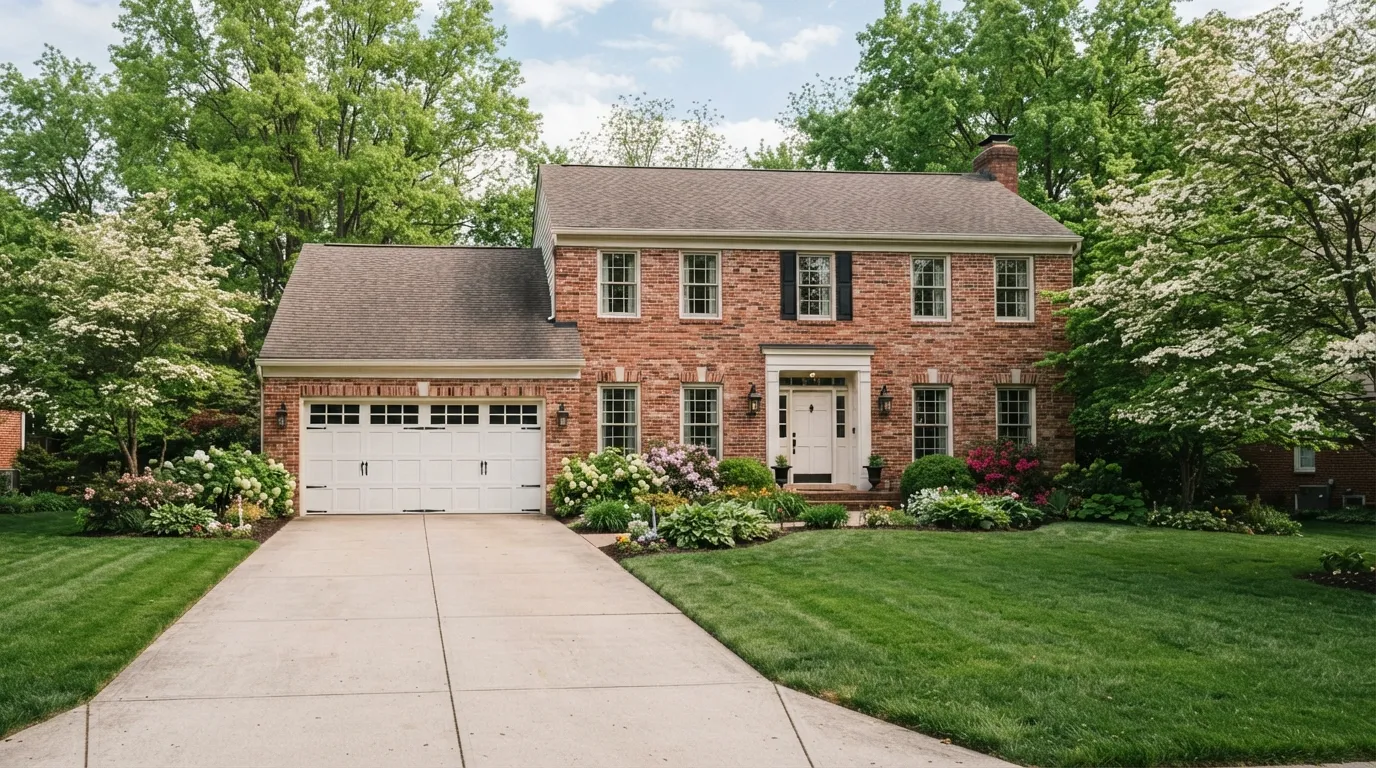
Woodlawn sits about six miles southeast of the center of the service area, and most of the garages behind these houses date to the same build window as the homes in front of them: 1938 to 1994, with the heaviest run through the 1960s and 70s. That means two kinds of doors show up over and over on a service call here. Older single-car garages built before the 1960s often still carry the original one-piece tilt-up door, hinged and counterbalanced with a horizontal spring bar across the header rather than the torsion tube most newer doors use. Homes from the 1960s and 70s runs are more likely to have an early sectional steel door on extension springs, sometimes wide enough for two cars if the garage was rebuilt or replaced later. Both setups use hardware that isn't stocked at a hardware store anymore, so a repair call on a garage this age often turns into sourcing an obsolete spring or replacing the whole assembly instead of a quick swap. We carry common torsion and extension spring sizes on the truck, but a nonstandard one-piece door spring sometimes has to be ordered, which adds a day or two to the job.
Where You Are
Woodlawn is about six miles southeast of the center of the service territory, on the same general network as neighborhoods like Bridgeport, McKinley Park, and Back of the Yards, all within a few miles of each other on the south side. Woodlawn's location, six miles southeast of the service area's center, puts it in daily reach of the same truck routes that cover Bridgeport, McKinley Park, and Back of the Yards, so a call here isn't a special trip out. The service area as a whole covers 461,017 households, most of them owner-occupied houses rather than rentals, and the median household income across that territory runs a bit over $80,000. Woodlawn's mix of older single- and two-flat garages fits that same general pattern of owner-occupied housing rather than standing apart from it.
Typical Work
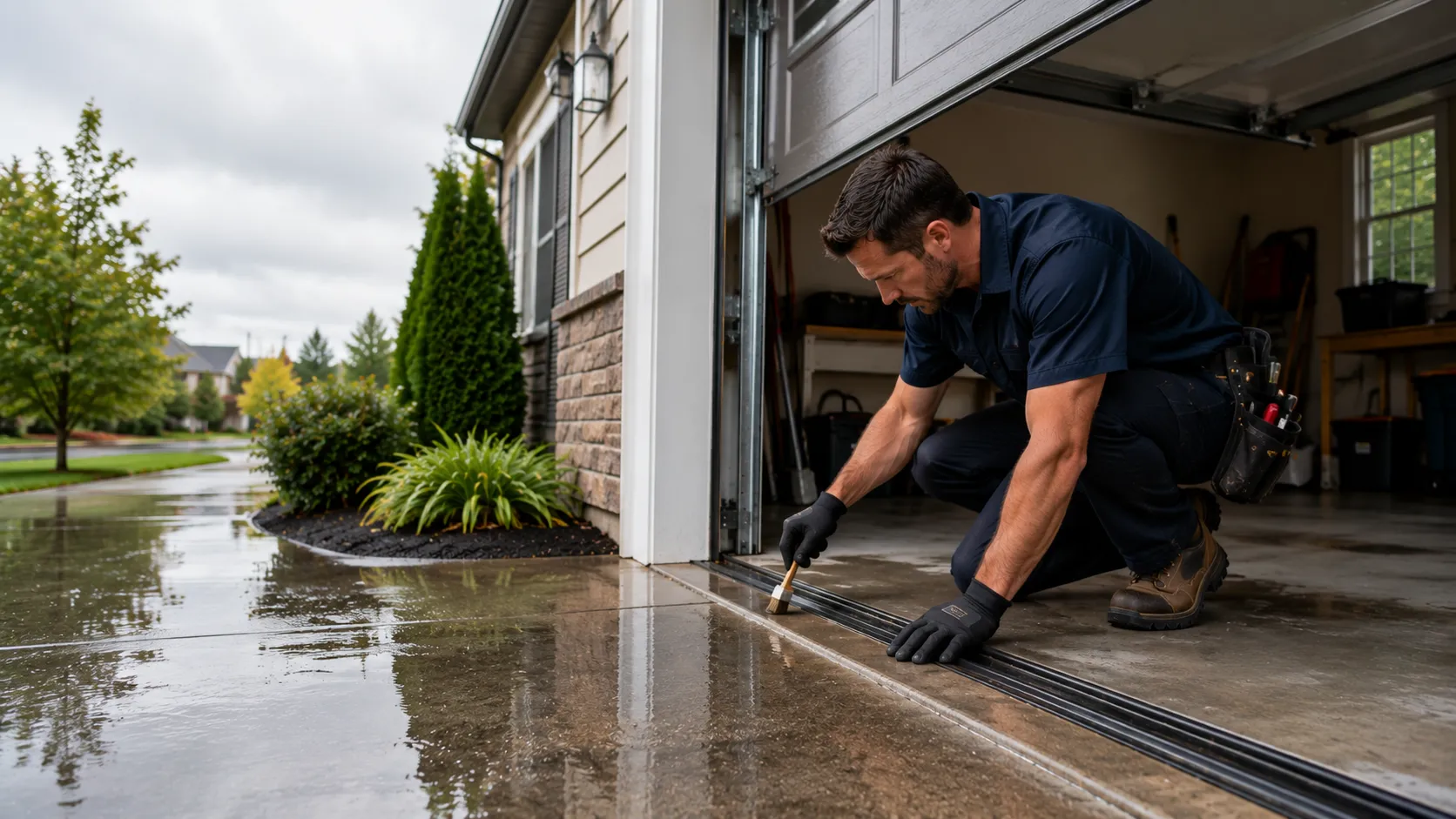
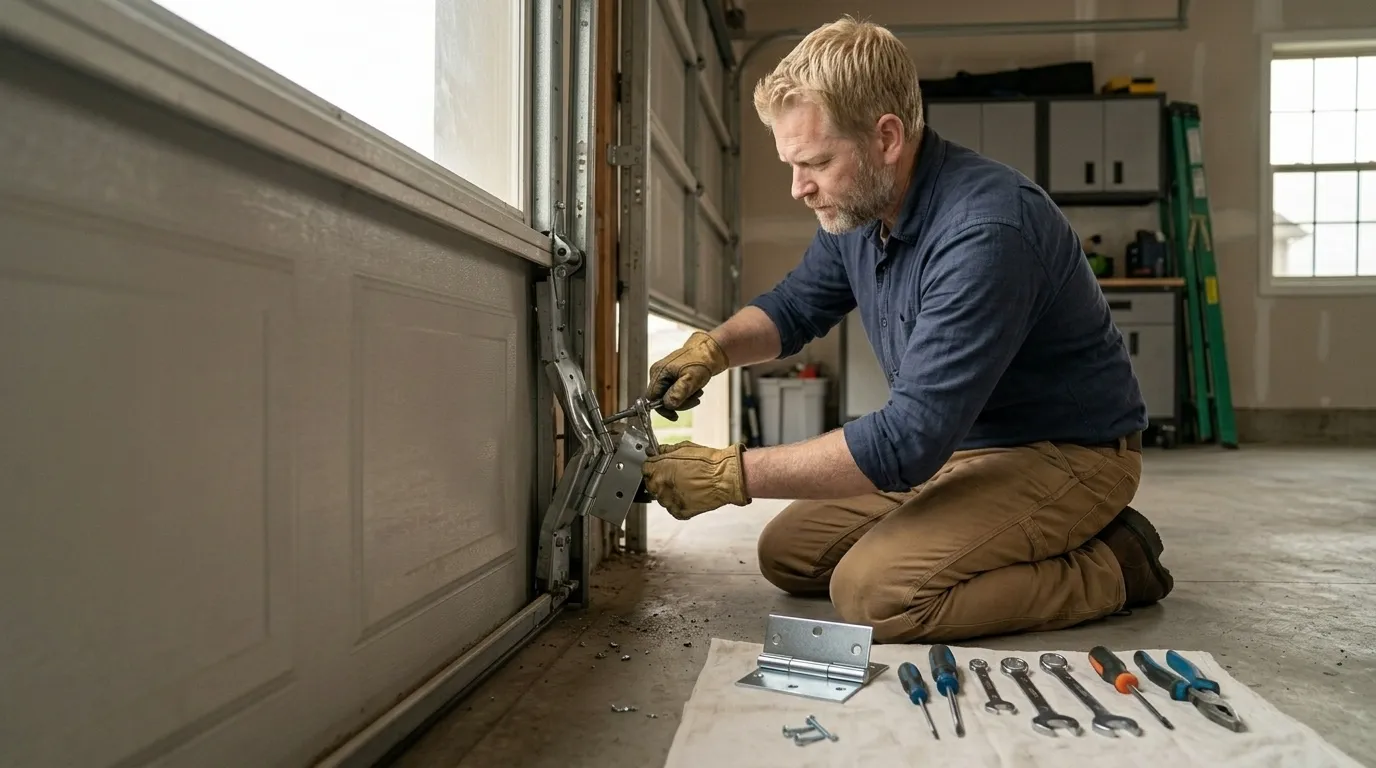
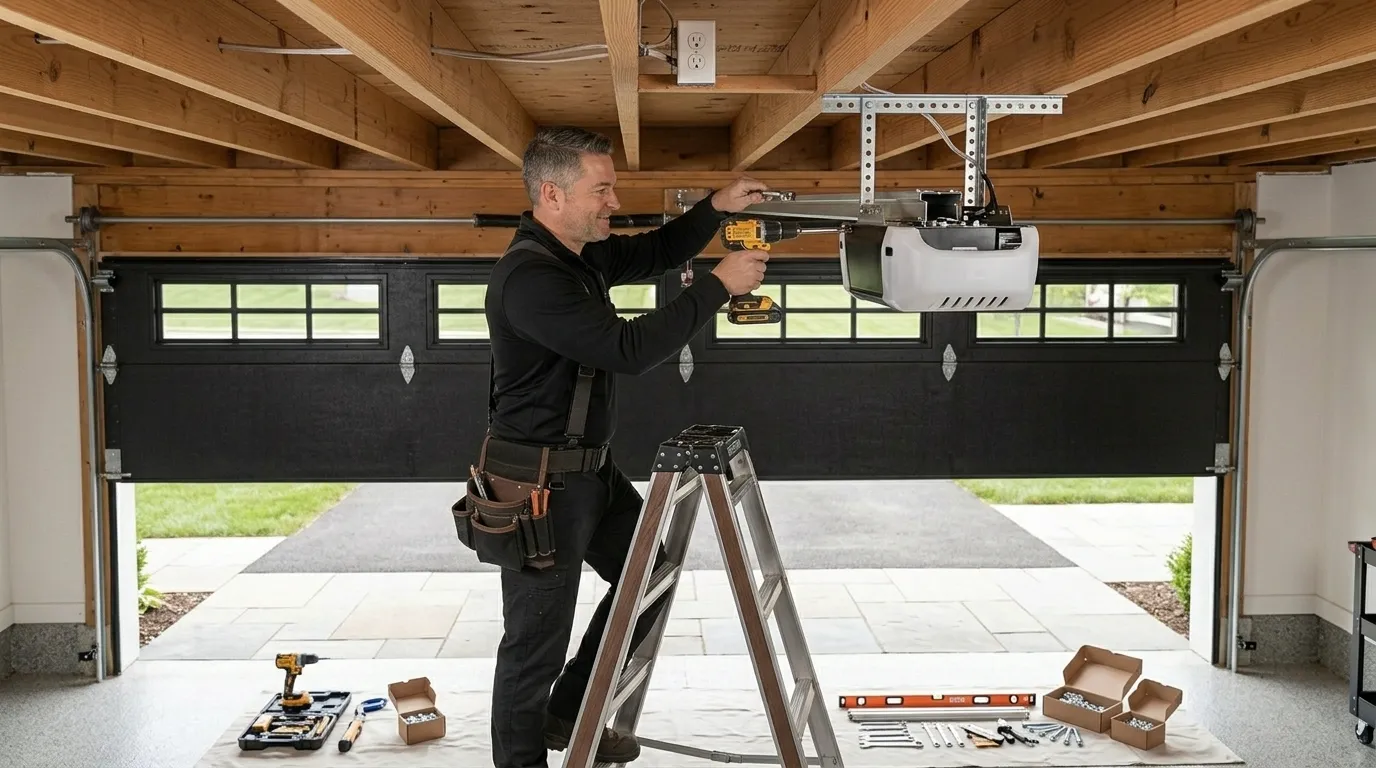
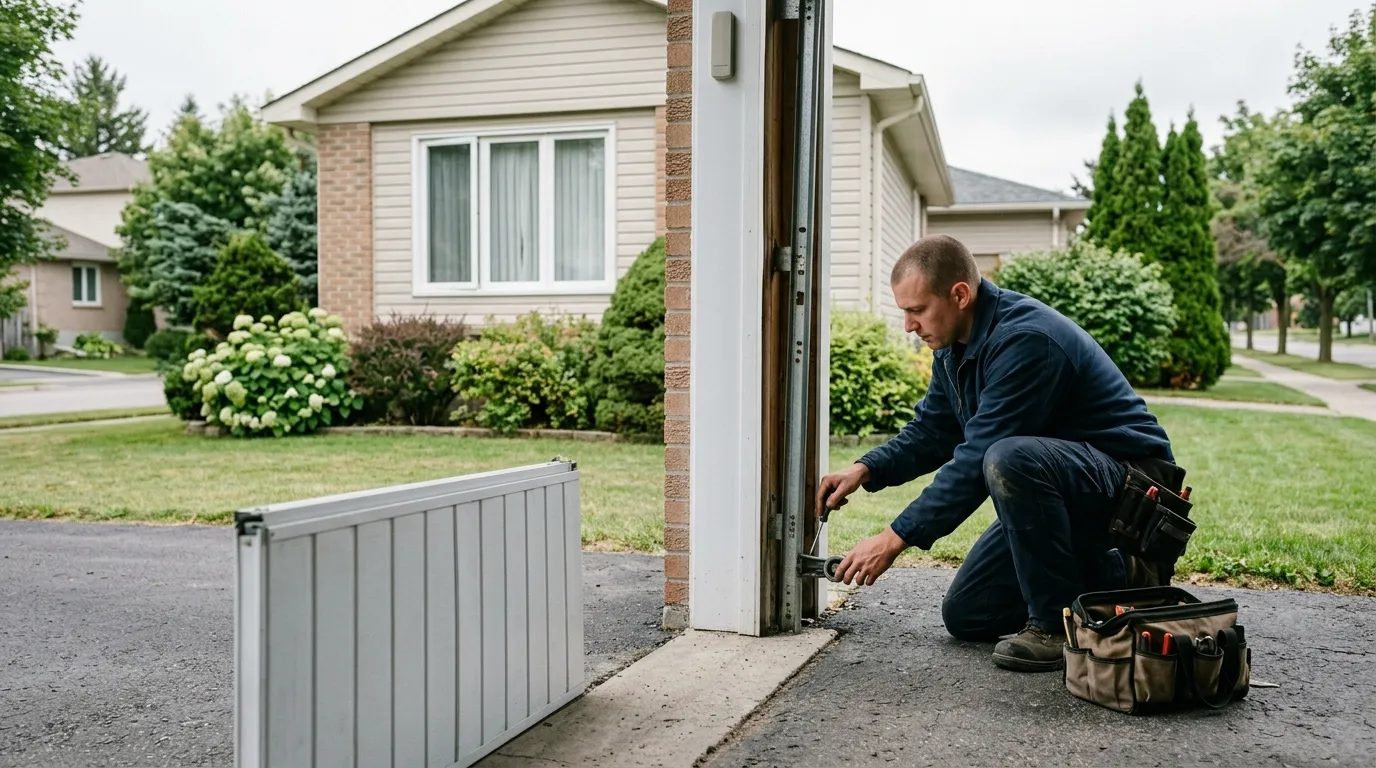
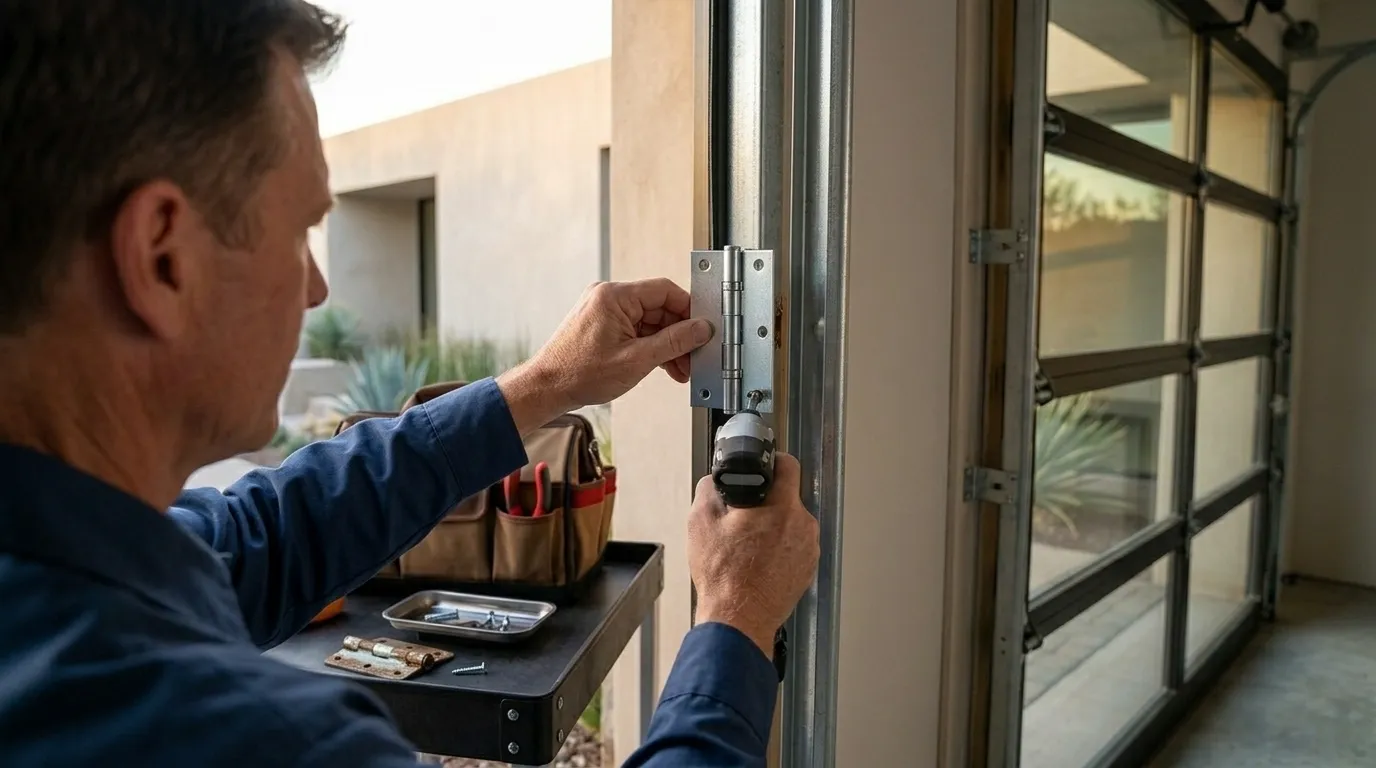
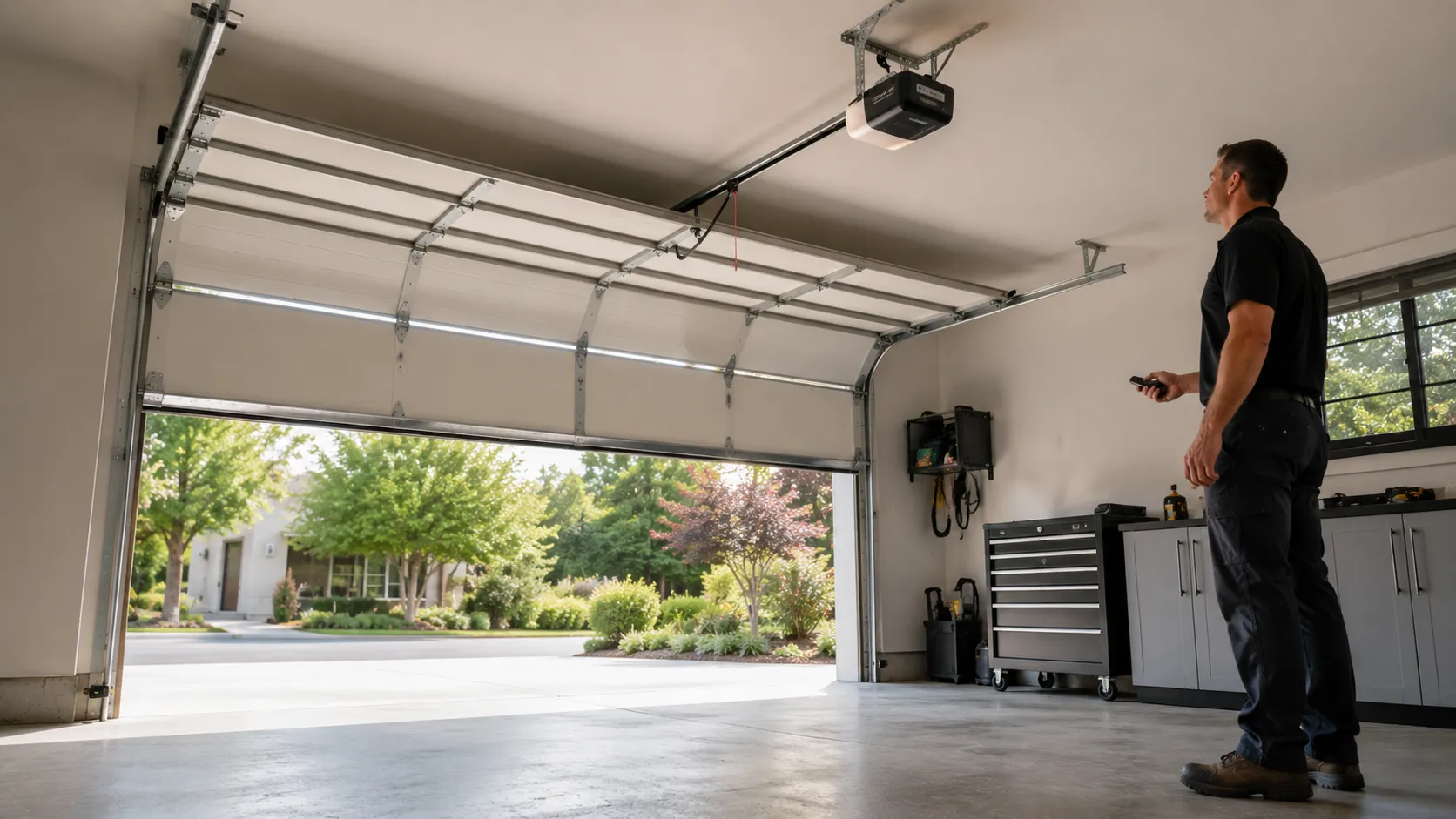
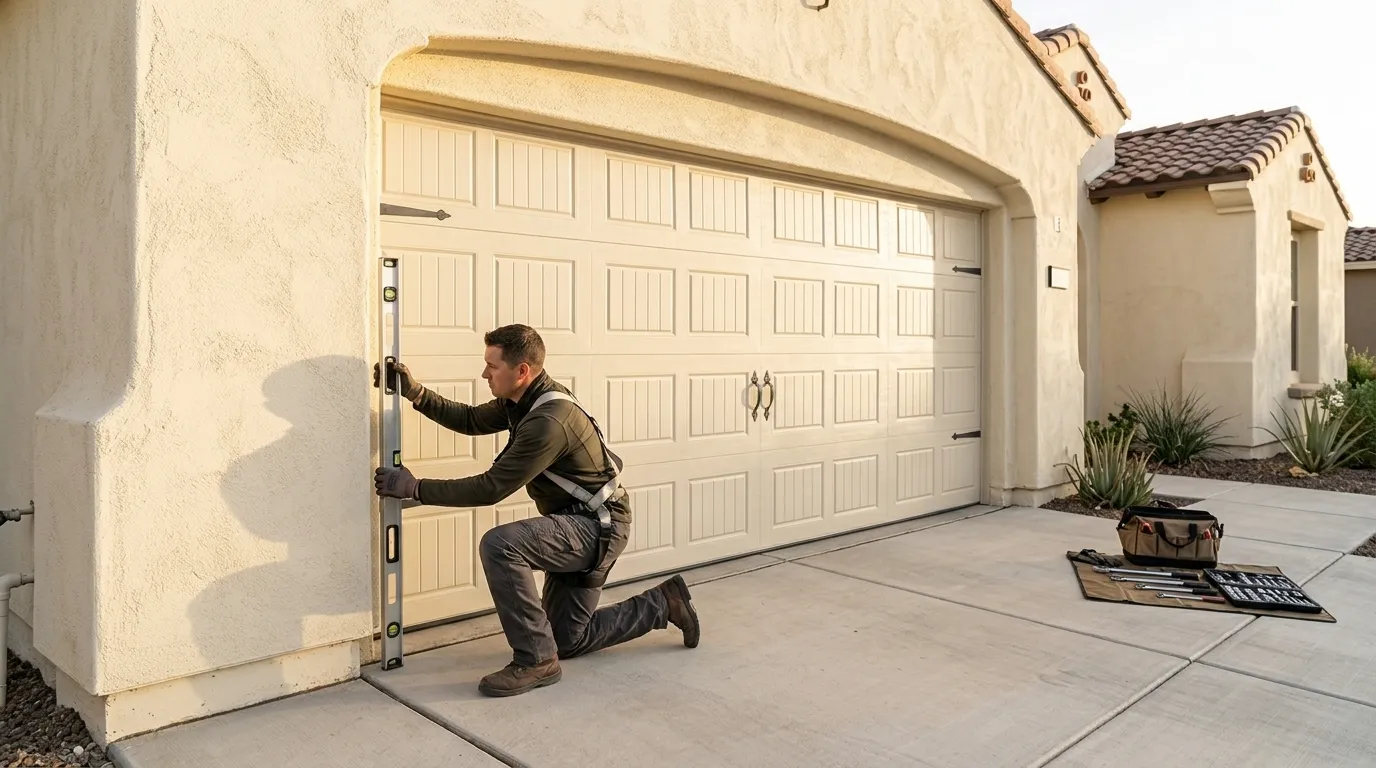
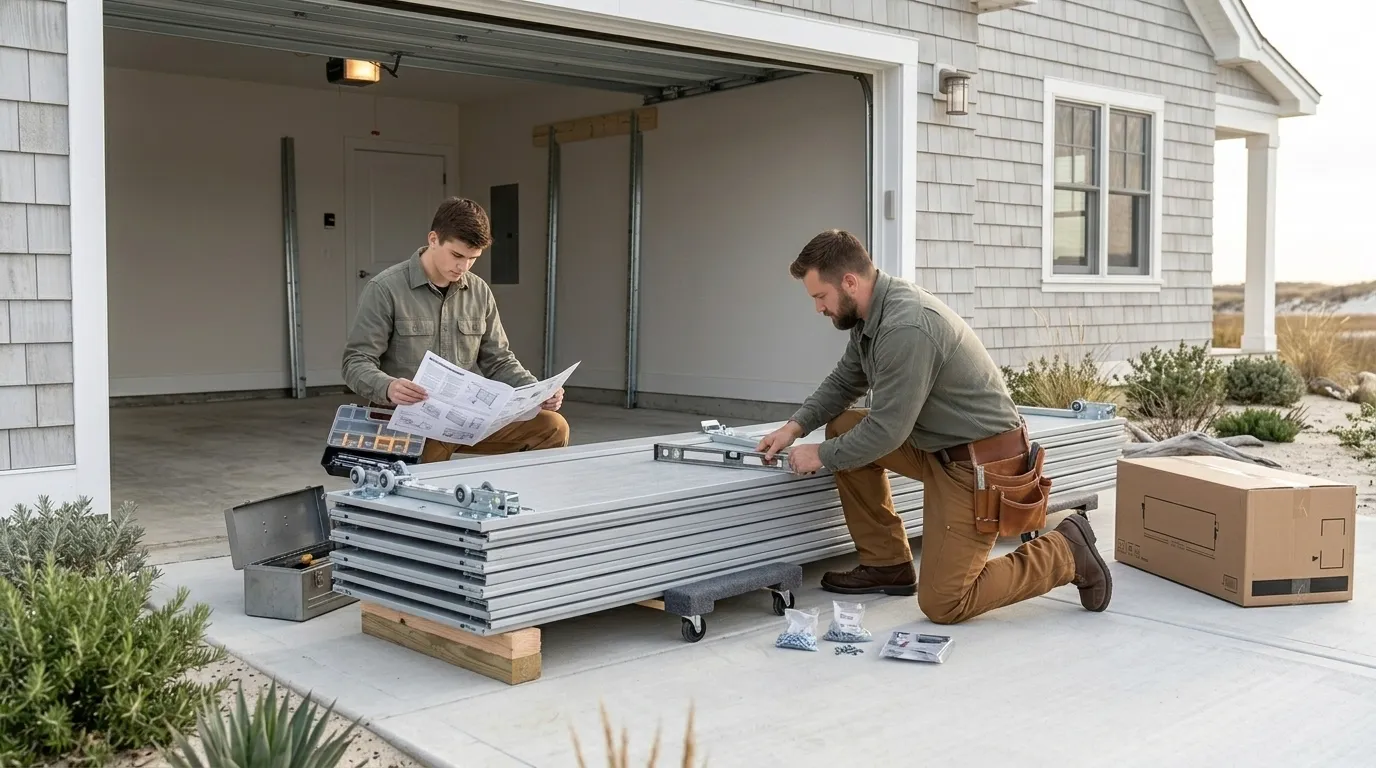
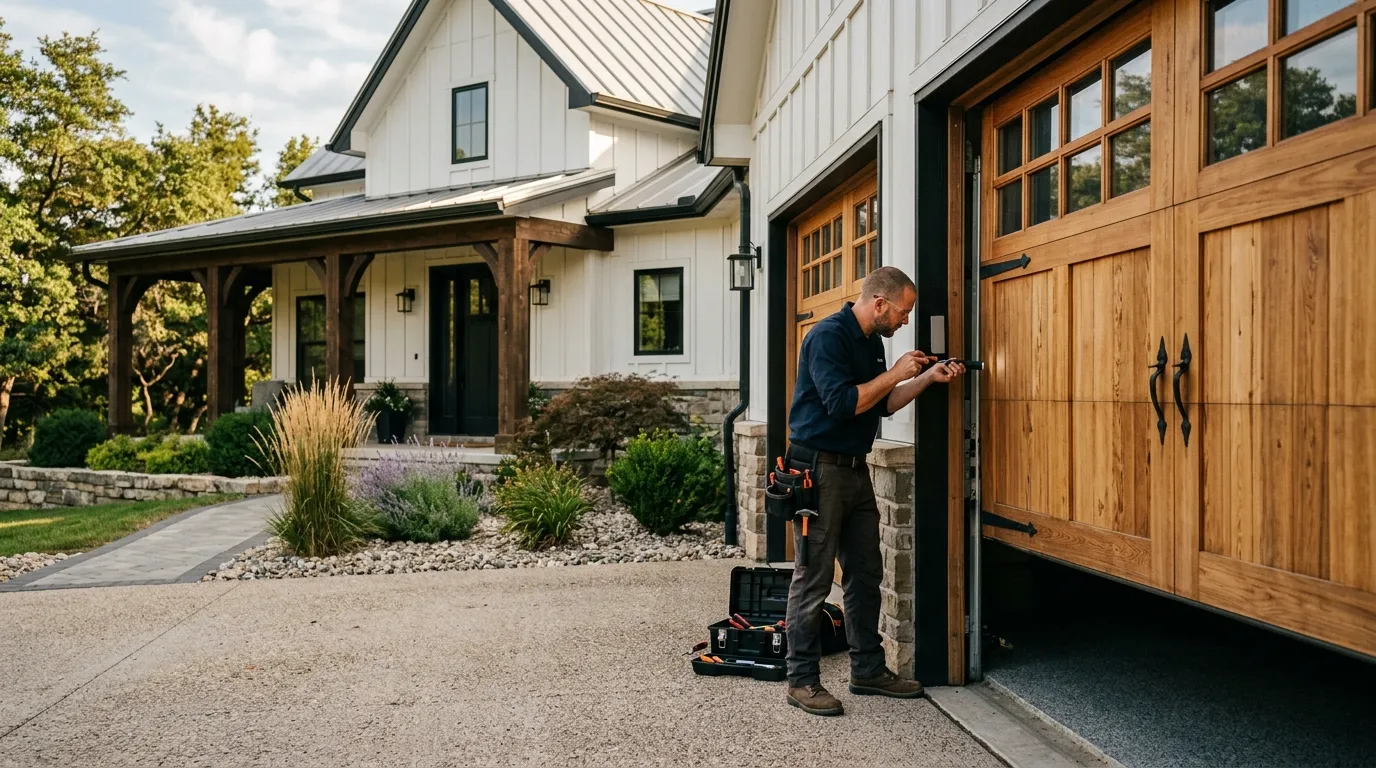
Most calls in this stretch of Woodlawn come down to three things: a torsion or extension spring that's given out, an opener that's outlived its motor, or a track that's bent from a car clipping it in a garage built narrower than modern ones. Cold winters in this climate band put extra strain on springs and rollers, since steel contracts and lubricant thickens right when the door gets used the most - mornings before work, nights after. We don't do custom wood doors or historic restoration work; if a door on a garage this age is original and beyond repair, replacing it with a modern steel door built to the existing frame width is usually the straightforward fix, and it's worth doing right the first time rather than patching hardware that's decades past what it was built for.