This Area's Housing
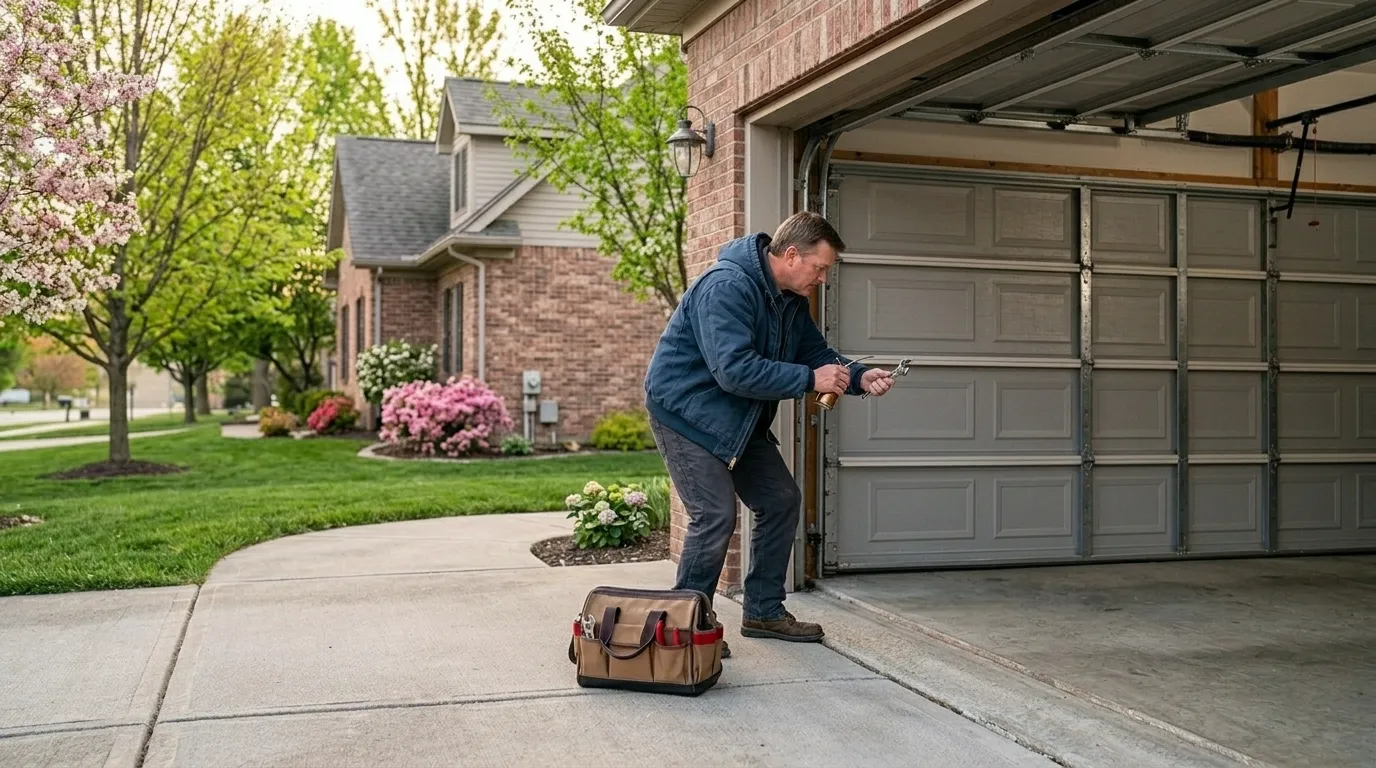
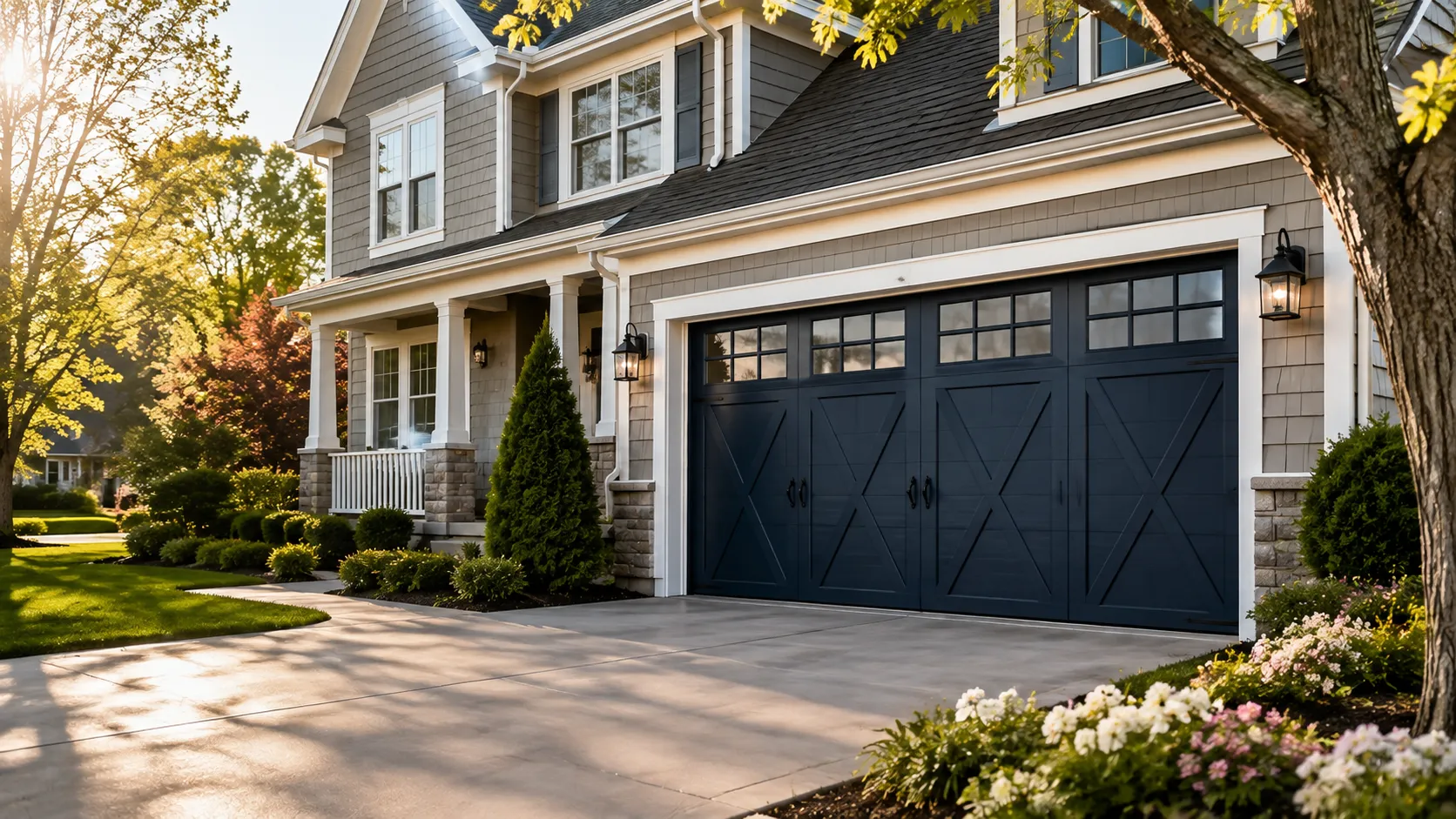
Woodridge's housing stock centers on 1980, a good sixteen years newer than the median build year across the wider Chicago service area, where most houses went up between 1938 and 1964. That gap matters more than it sounds like it should. A house built in 1980 came with a garage designed for a car, not a workshop or a second fridge, and it almost certainly shipped with an extension-spring or early torsion setup rather than the older side-mounted hardware you'd find on a 1950s two-flat closer to the city.
With 13,119 households in the area and a median income of $97,263, this is a market of owners who bought newer construction and have kept it up rather than gut-renovating older stock. That combination tends to mean doors that were replaced once, maybe twice, since the original build, and openers that are on their second or third motor rather than their first. It's a different repair profile than the older 1960s pockets closer to Chicago, and it's worth saying plainly: a door here is less likely to have original 1960s hardware and more likely to have a chain-drive opener from the 1990s or 2000s that's simply worn out.
What That Means for Doors
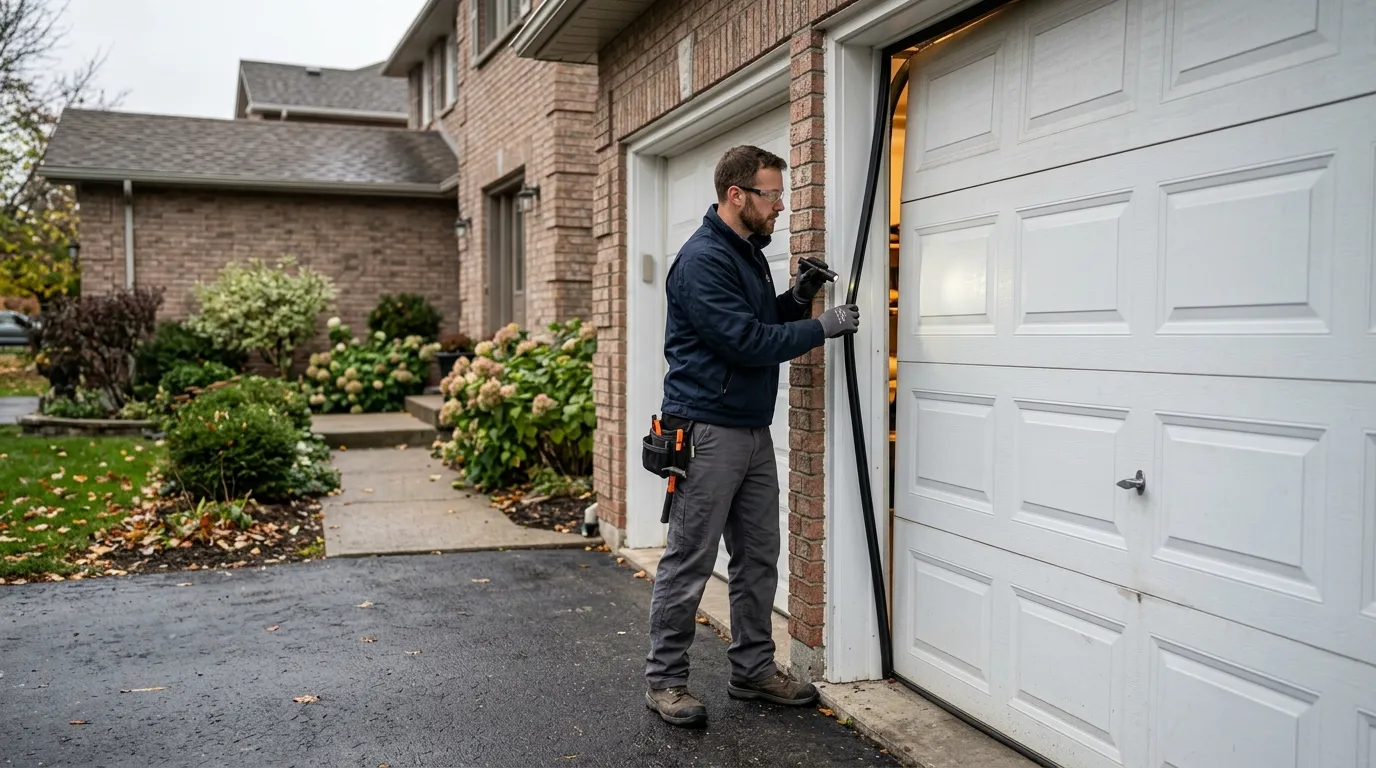
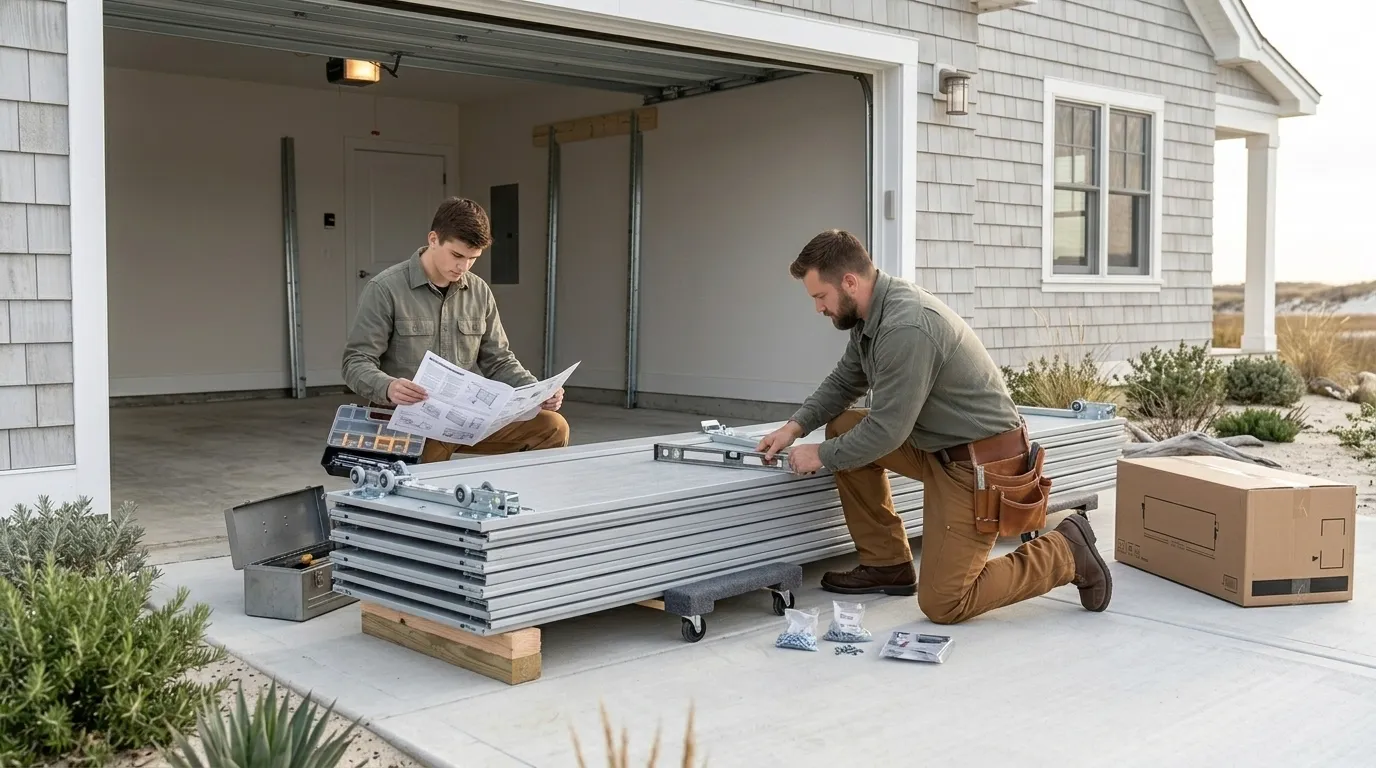
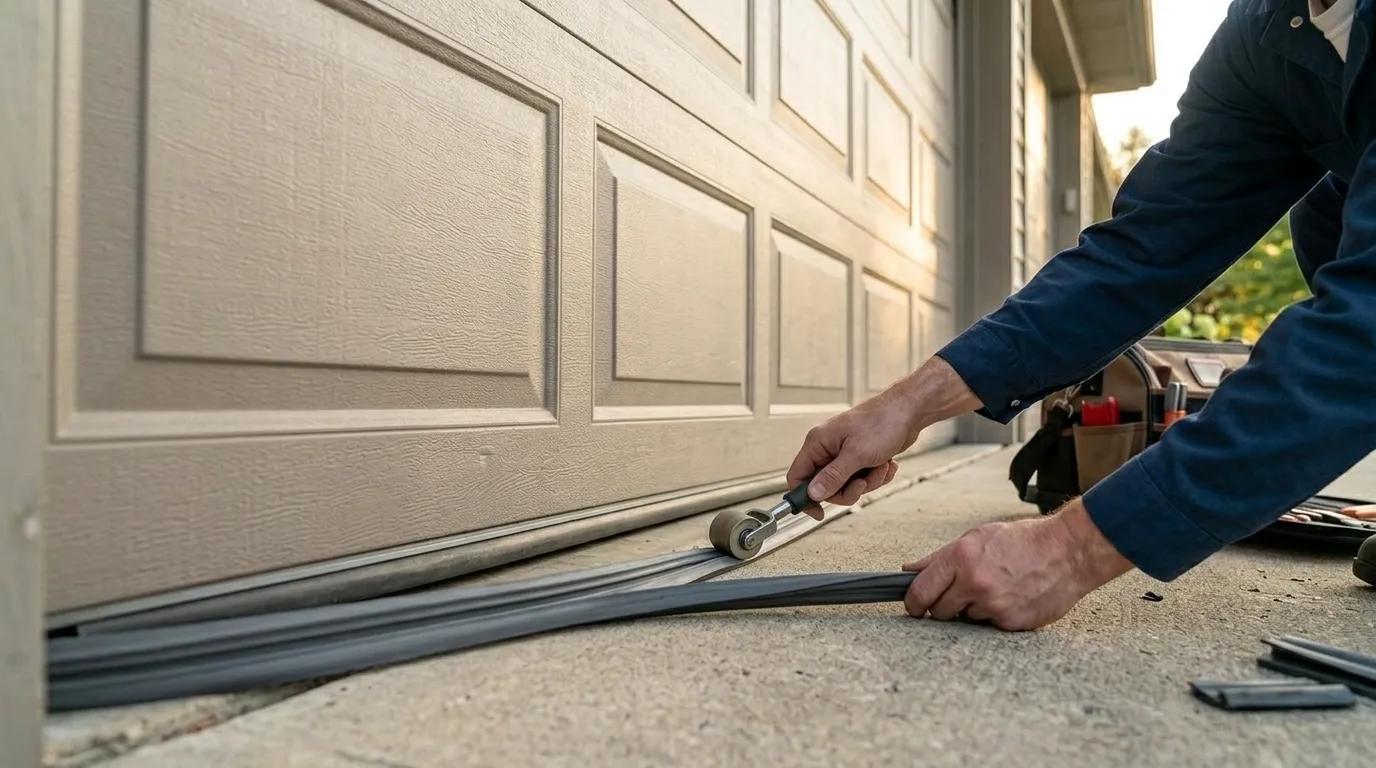
The area sits in a cold, moderate climate band, and combined with a 1980 median build year, the doors we see here are usually original insulation-era panels or their first replacement - not the bare single-layer steel you'd find on much older stock. Insulated sectional doors were becoming standard by the 1980s, so a lot of Woodridge garages already have some thermal barrier built in, but the weatherstripping and bottom seals on a 40-plus-year-old door are usually shot, and that's where cold-weather calls start: air leaking under the door, a bottom seal that's cracked and lets snowmelt track under it.
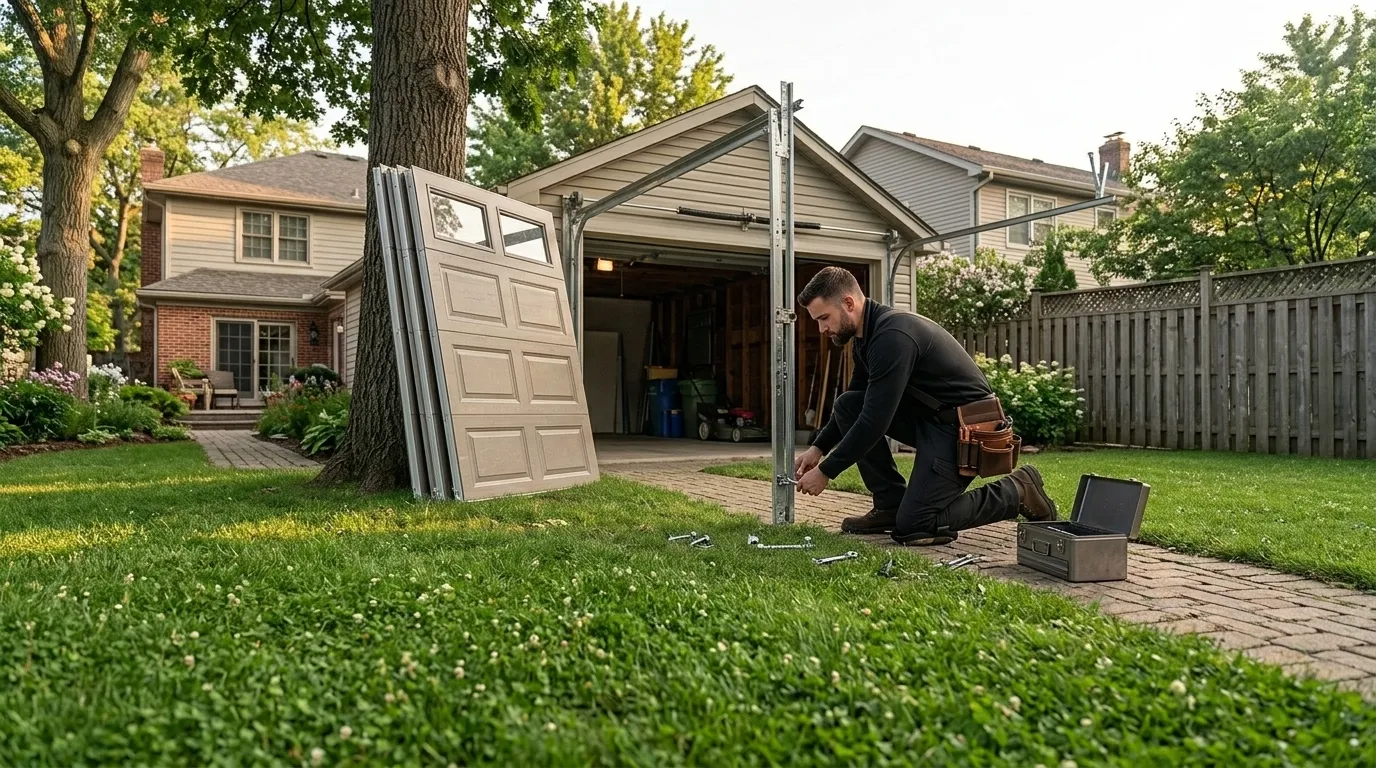
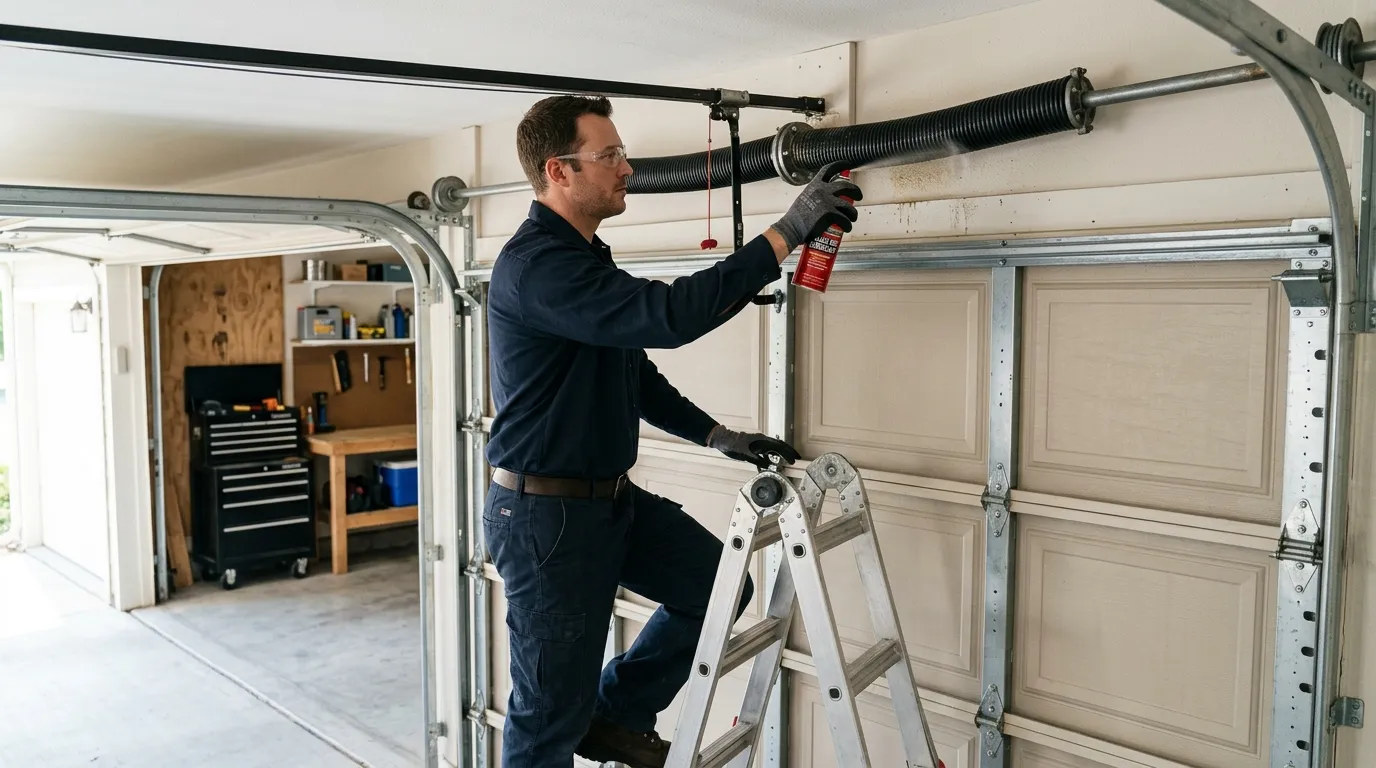
Torsion springs from that era are also reaching or past the end of a normal cycle life, and a spring that's cold-stiffened over a Chicago-area winter is more likely to snap on a morning when it's asked to lift a heavier insulated door than a lighter uninsulated one. We don't try to talk anyone into replacing a door that's still sound - if the panels are straight and the track's true, a new spring and seal kit is the right call, not a full replacement.
What People Here Ring About
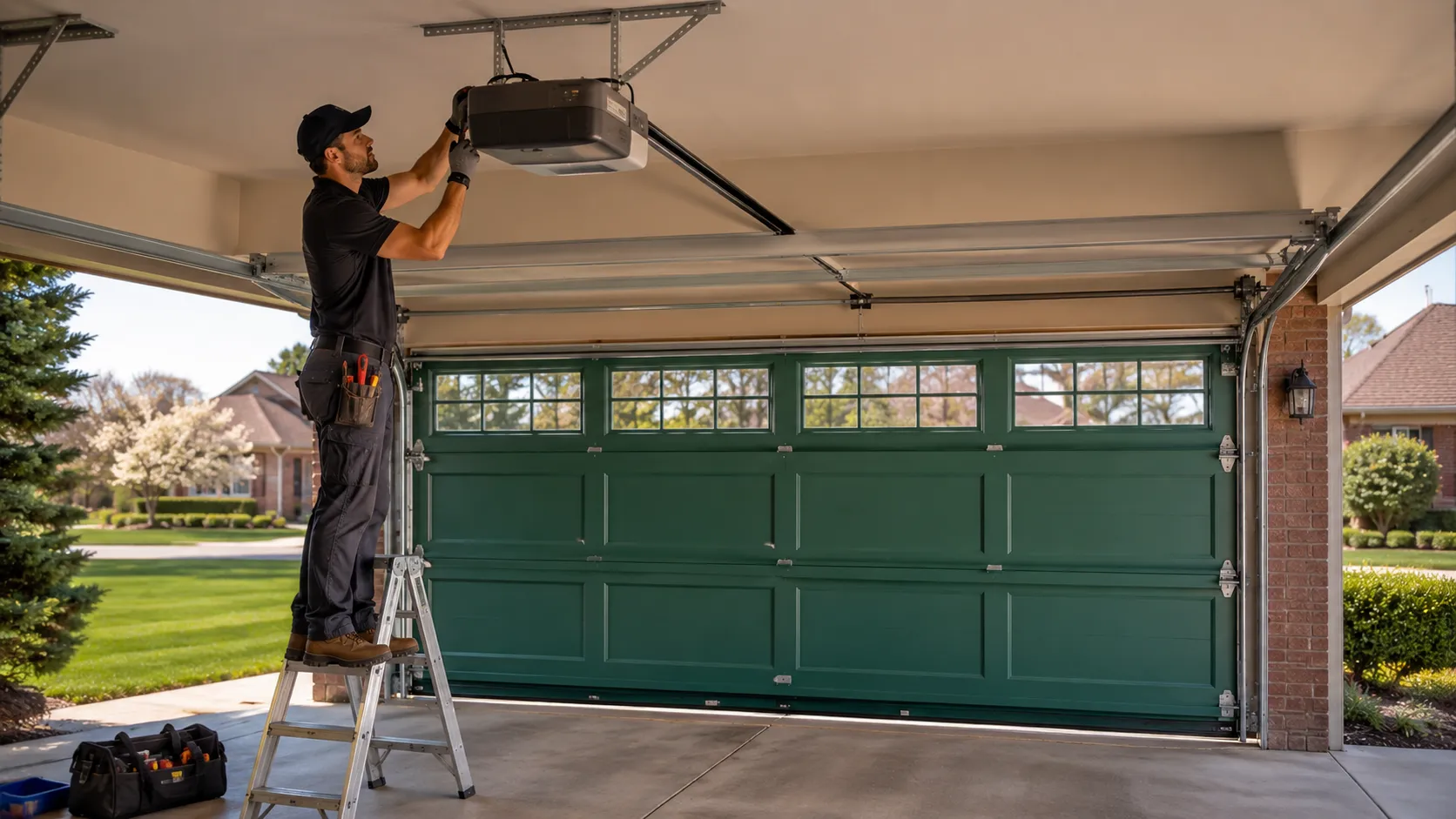
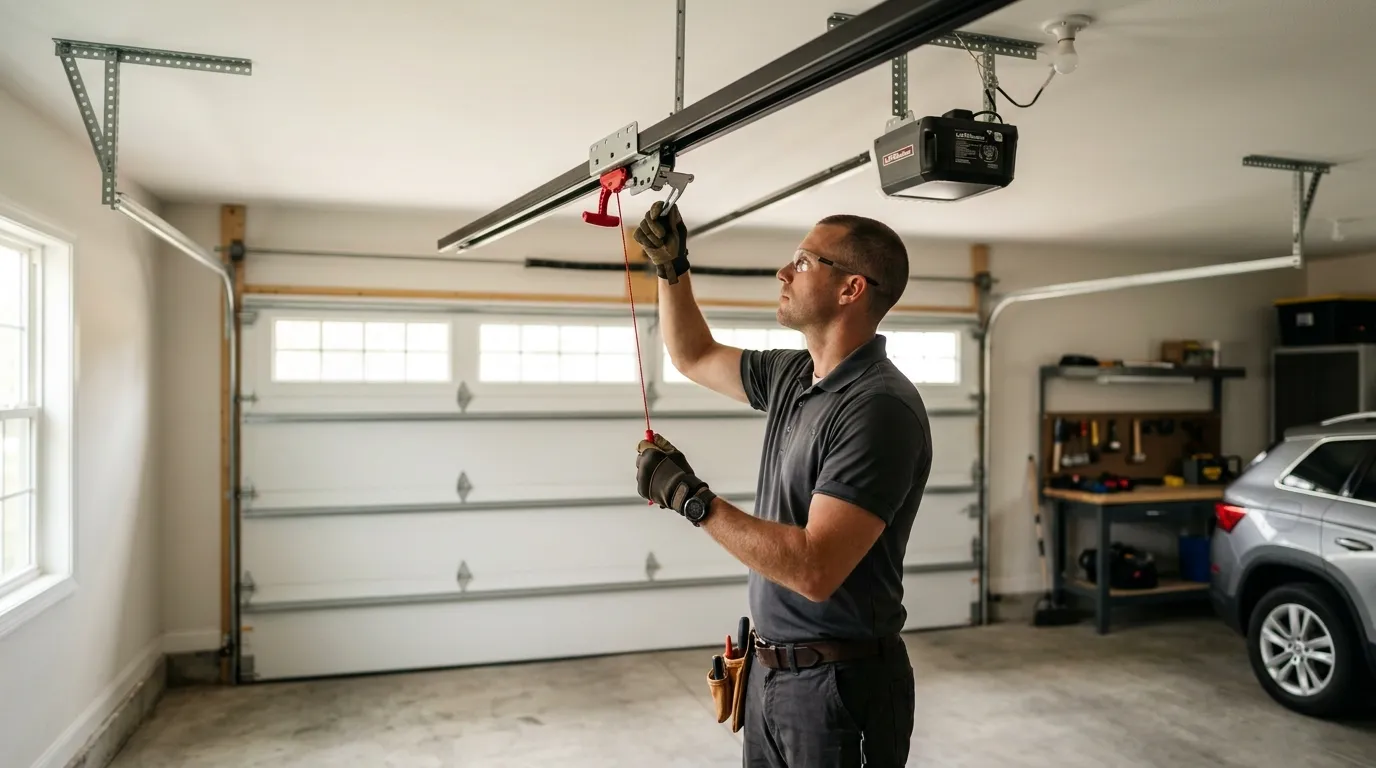
Most calls we get from this area fall into a few buckets tied directly to that 1980-ish build era. Openers are a big one - a chain-drive unit installed when the house was newer is now old enough that circuit boards fail, not just belts or gears, and parts for a 20-year-old opener aren't always sitting on a shelf. Torsion springs are the other constant, especially after a stretch of cold weather, since a spring that's already near the end of its cycle count is the one that lets go first.
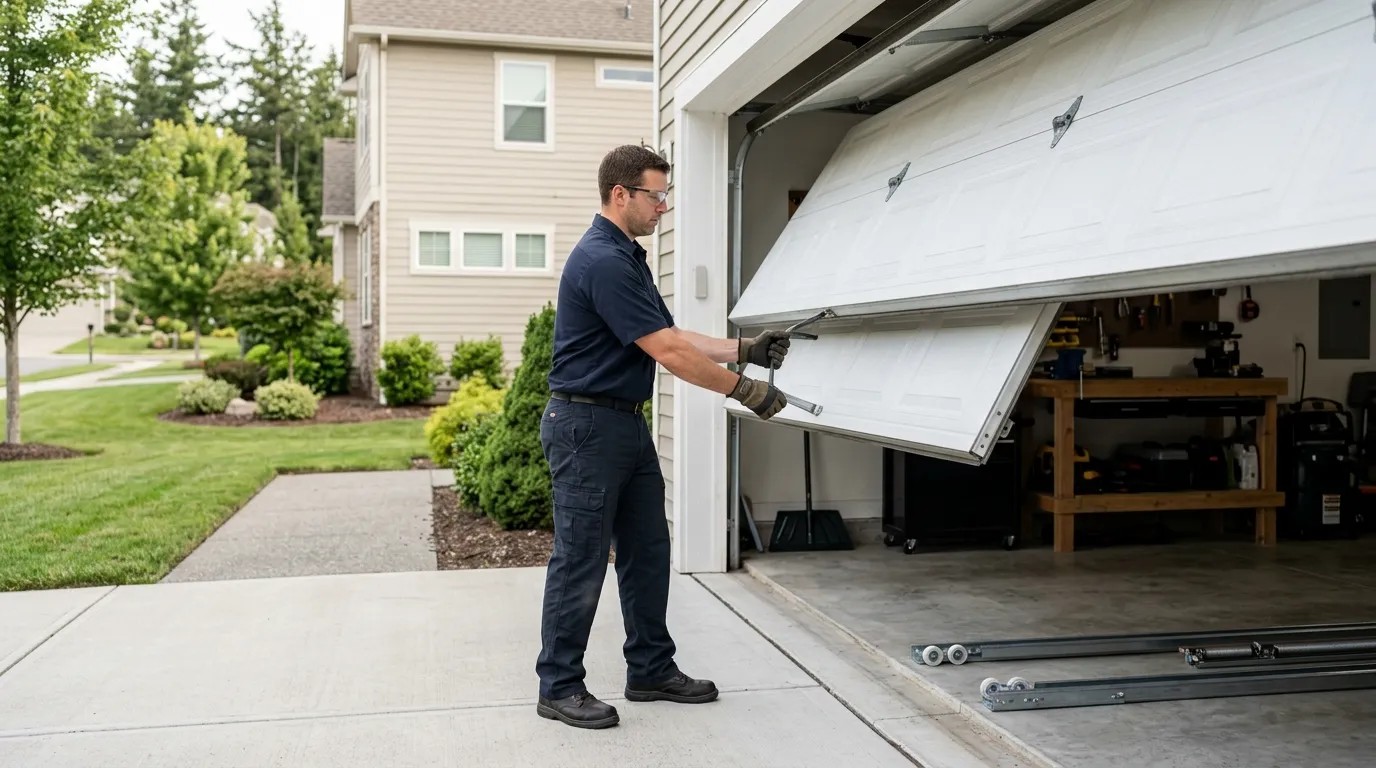
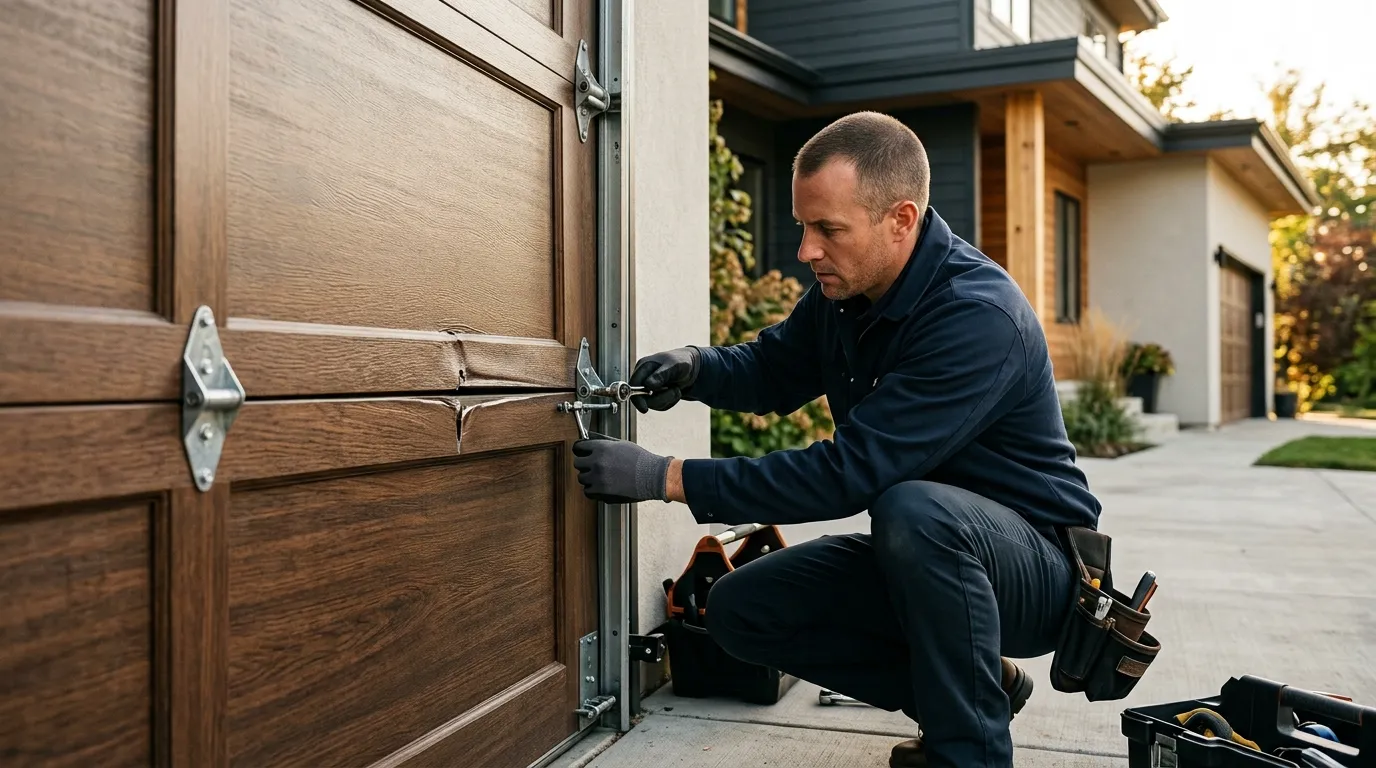
We also hear from owners dealing with a door that binds or drags on the track - common on houses of this vintage where the original track has shifted slightly over four decades of settling, not from any one dramatic event. One honest limitation: if a spring has failed and taken a cable or the bottom bracket with it, that's not a same-visit fix in every case - sometimes a part has to be ordered, and we'll tell you that on the phone rather than promise a fix we can't finish that day.