This Area's Housing
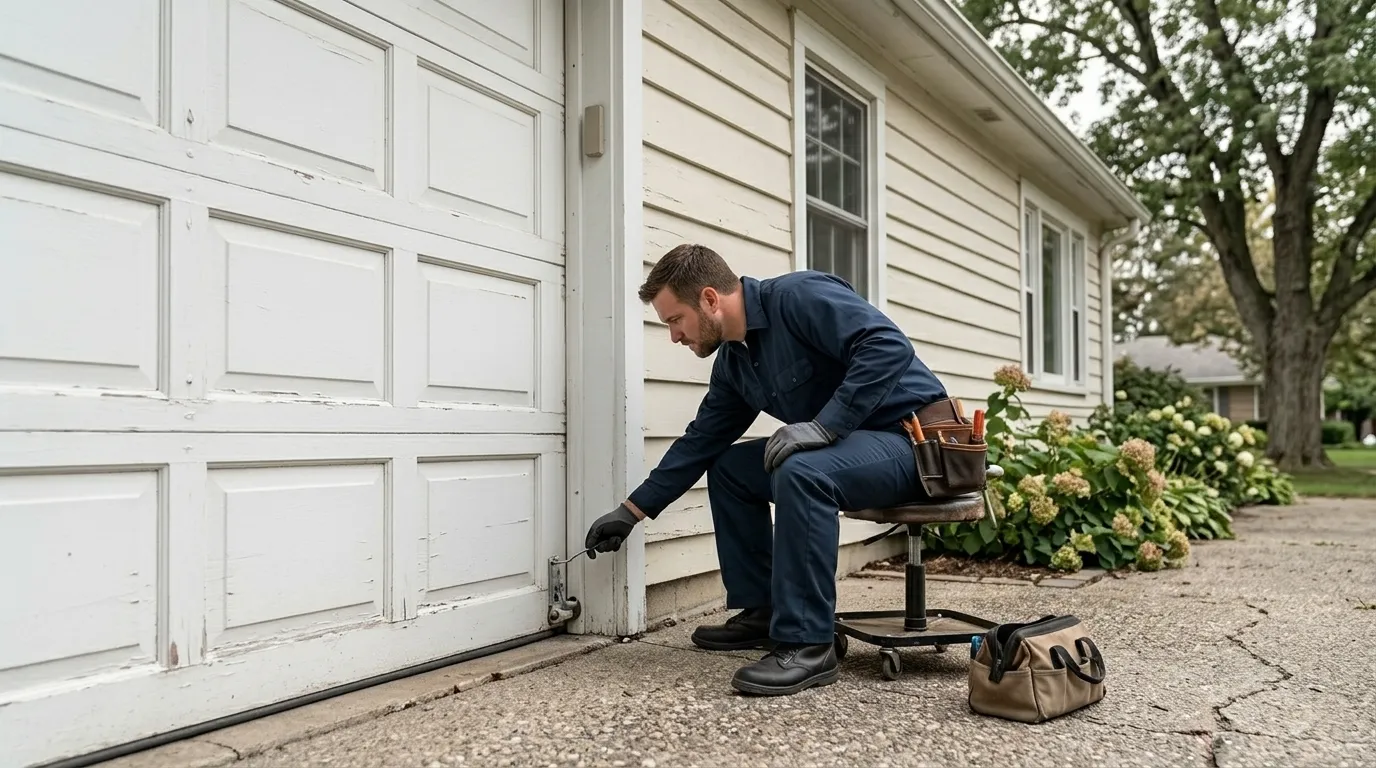
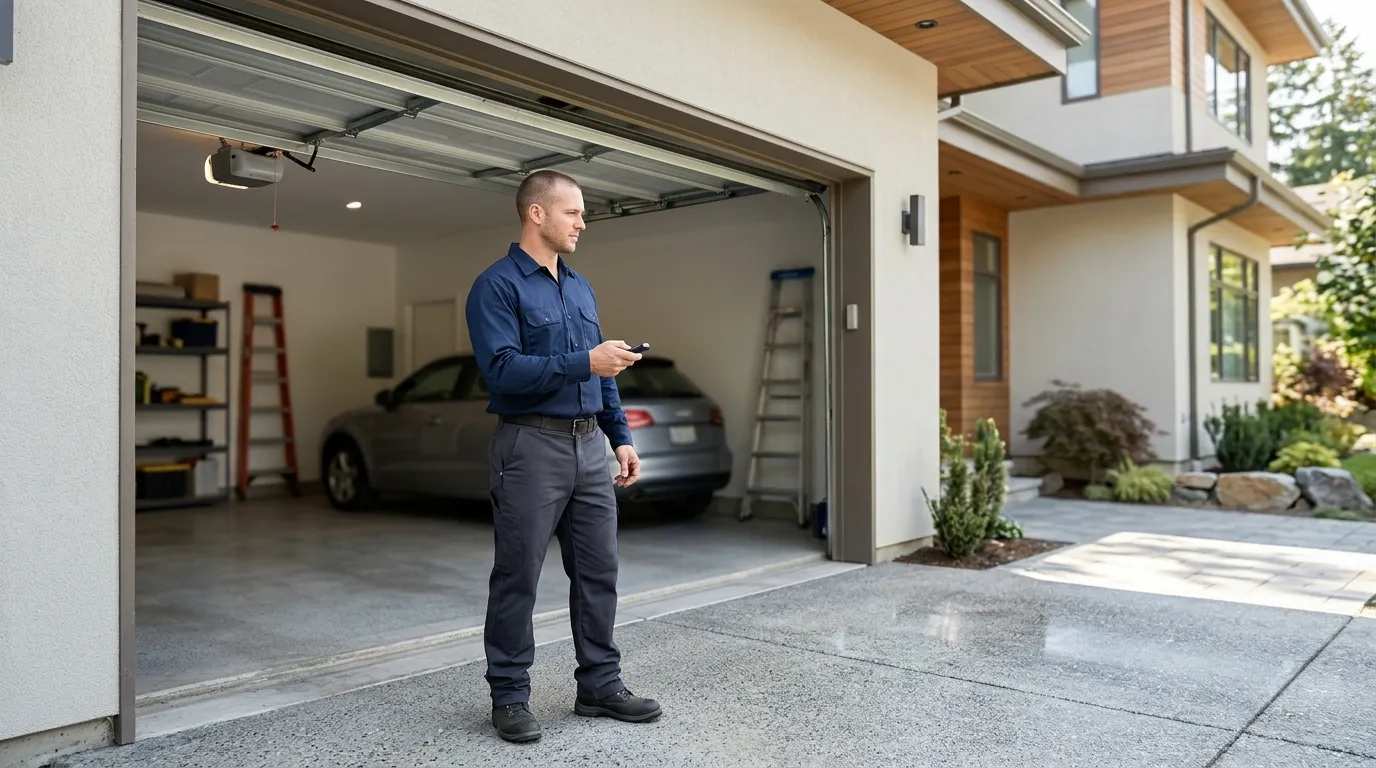
The median home in Worth went up around 1967, which puts most of the housing stock squarely in the same post-war building wave that shaped a lot of Chicago's near suburbs, but with its own local mix. Across the wider service area the median build year sits closer to 1964, with homes ranging from 1938 to 1994 - Worth lands right in the middle of that curve, maybe a touch newer. With 4,352 households in Worth, this isn't a sprawling town, and the doors here tend to be original or first-generation replacements rather than the newer insulated steel sections you'd find in later-built subdivisions. A lot of these garages were built for a single car, attached to the house, with hardware sized for a lighter door than what people sometimes want to install today. That mismatch between an old opening and a modern door is one of the more common jobs we run into out this way.
What That Means for Doors
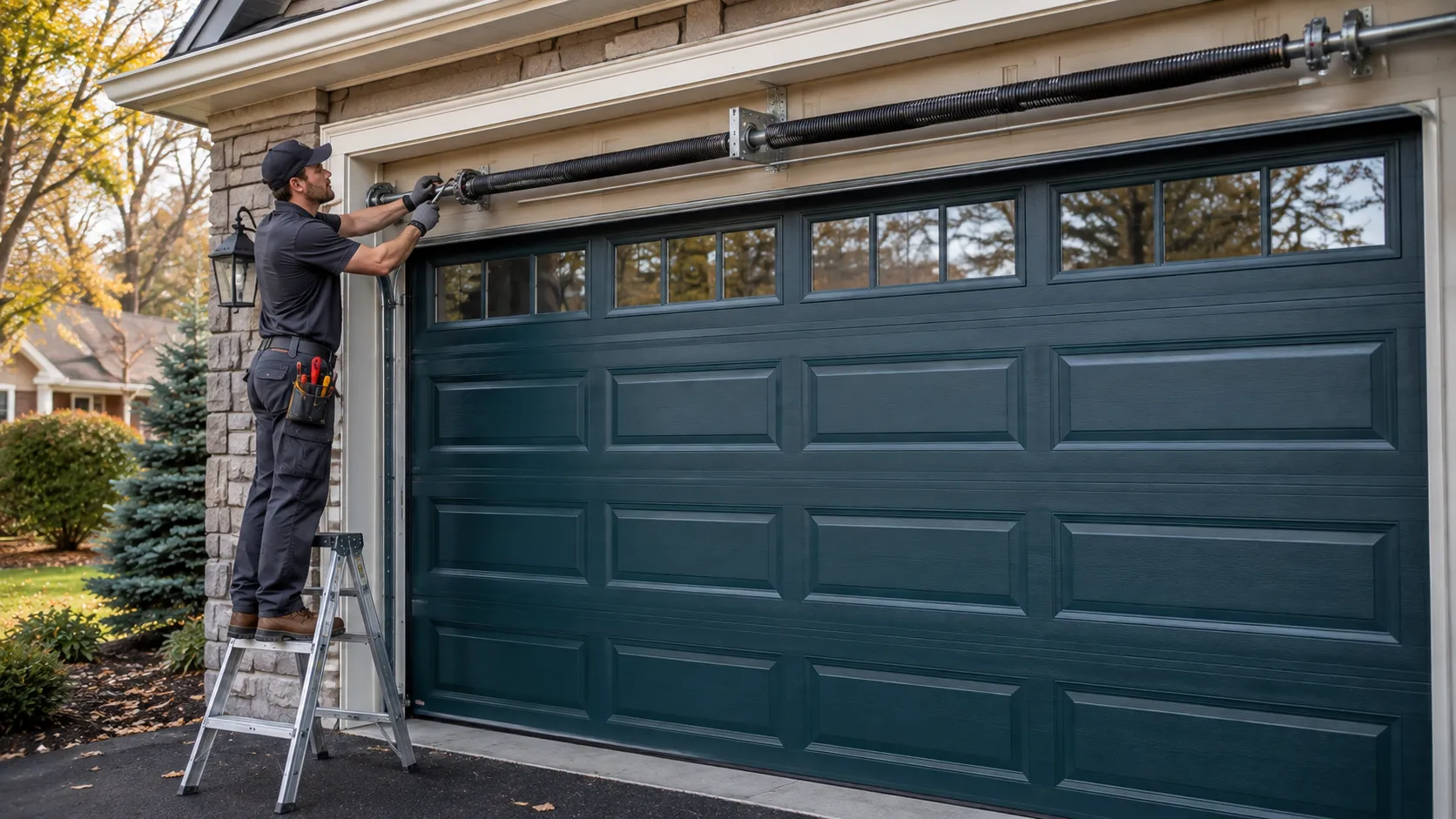
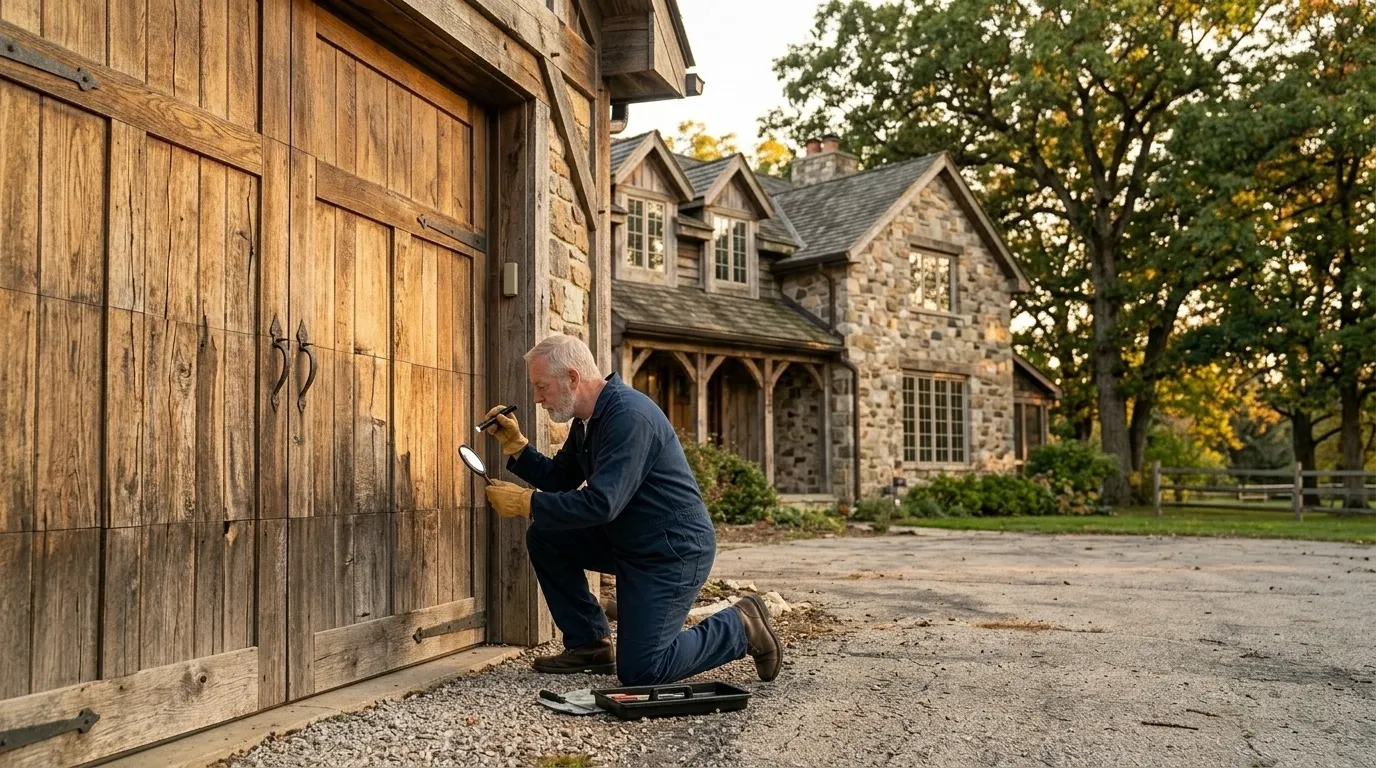
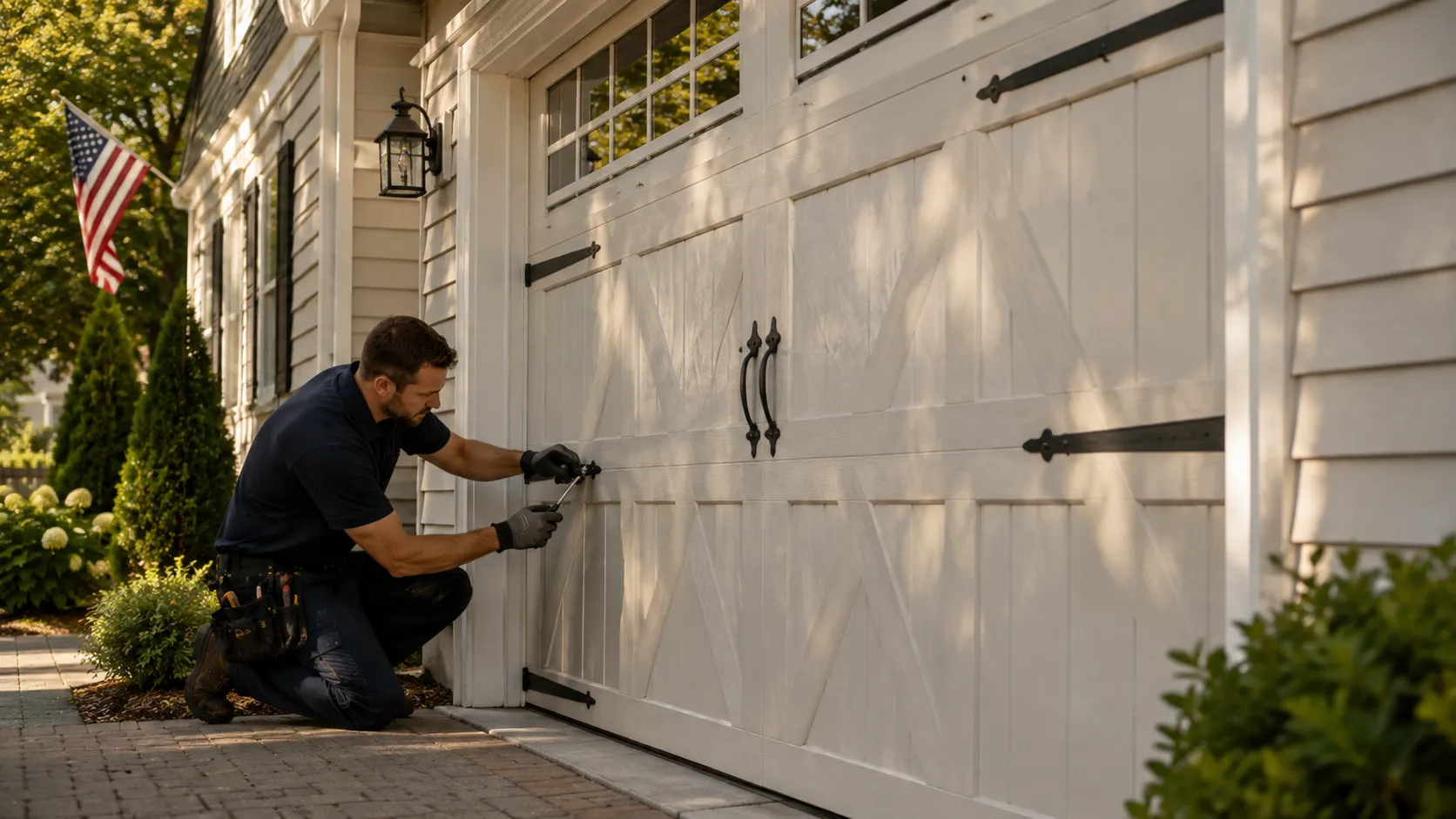
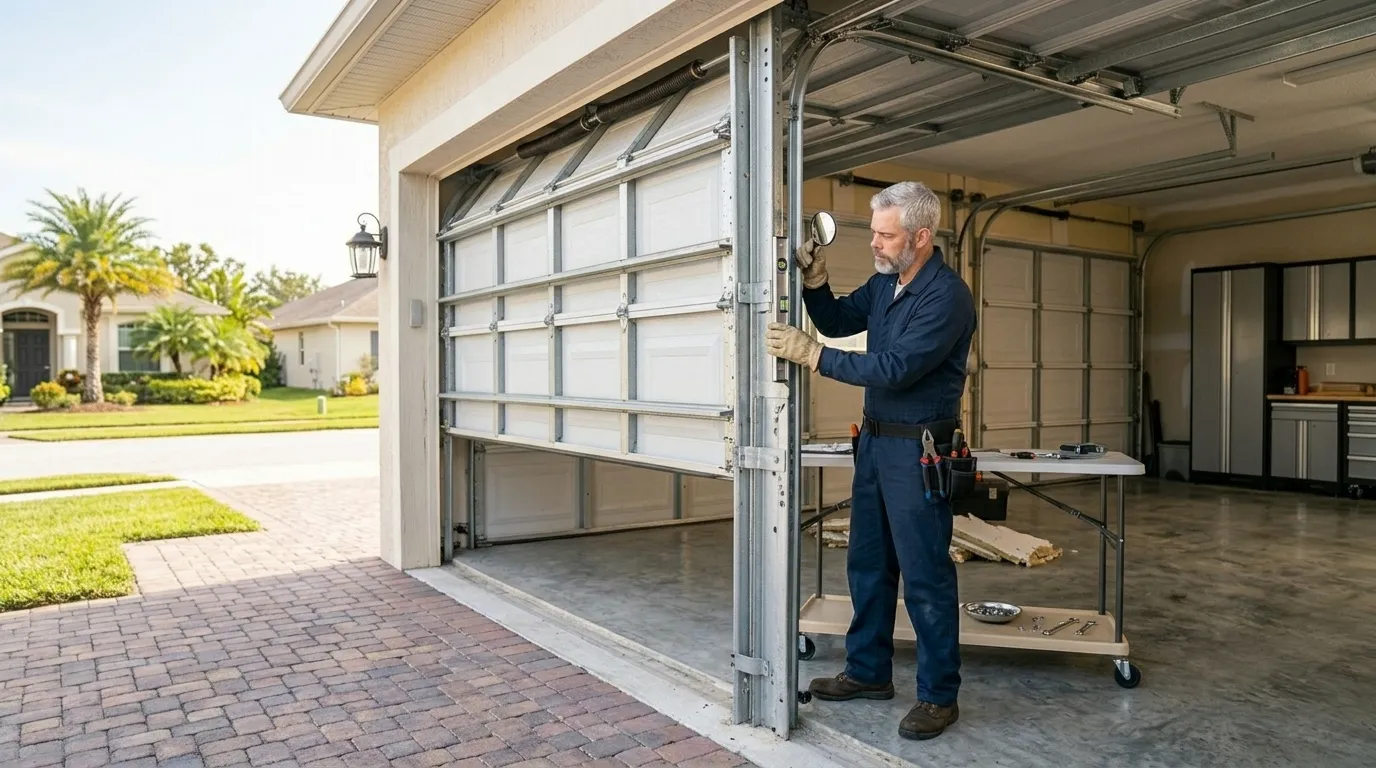
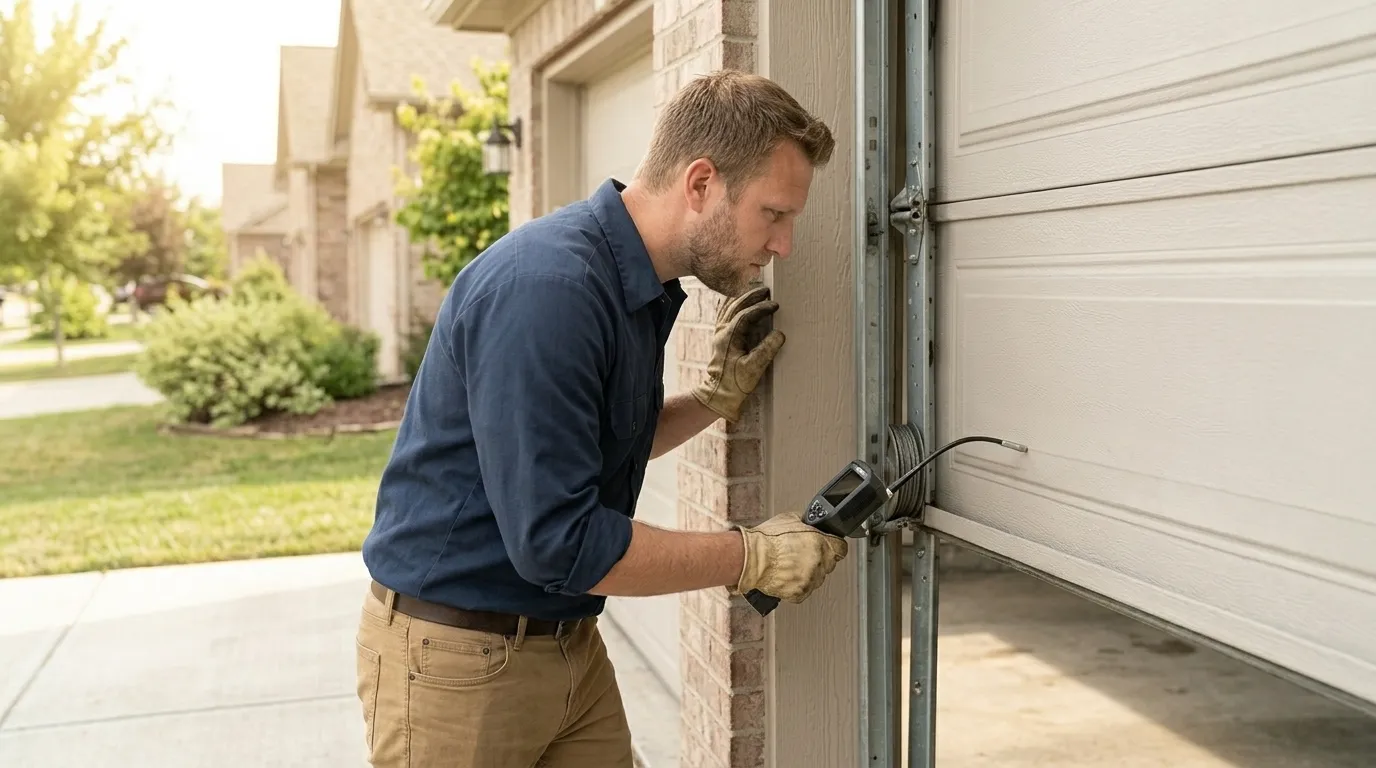
A door installed around 1967 was almost certainly hung on extension springs mounted along the horizontal tracks, not the torsion bar setup that's become standard since. Extension springs age differently - they stretch, they lose tension unevenly, and the safety cables meant to contain them are often missing or degraded on doors that have never been touched since installation. In a cold-moderate climate, steel hardware that's five decades old goes brittle faster than people expect; a spring that's been fine for years can let go on the first hard cold snap of the season. We see panels on these older doors that have been painted over more than once, hiding rust at the seams until it's already eaten through. One honest limitation: if the track and hardware are original to a 1960s install, we usually recommend a full spring and hardware swap rather than patching one part, since matching obsolete extension-spring hardware piece by piece often costs more in the long run than replacing the system.
What People Here Ring About
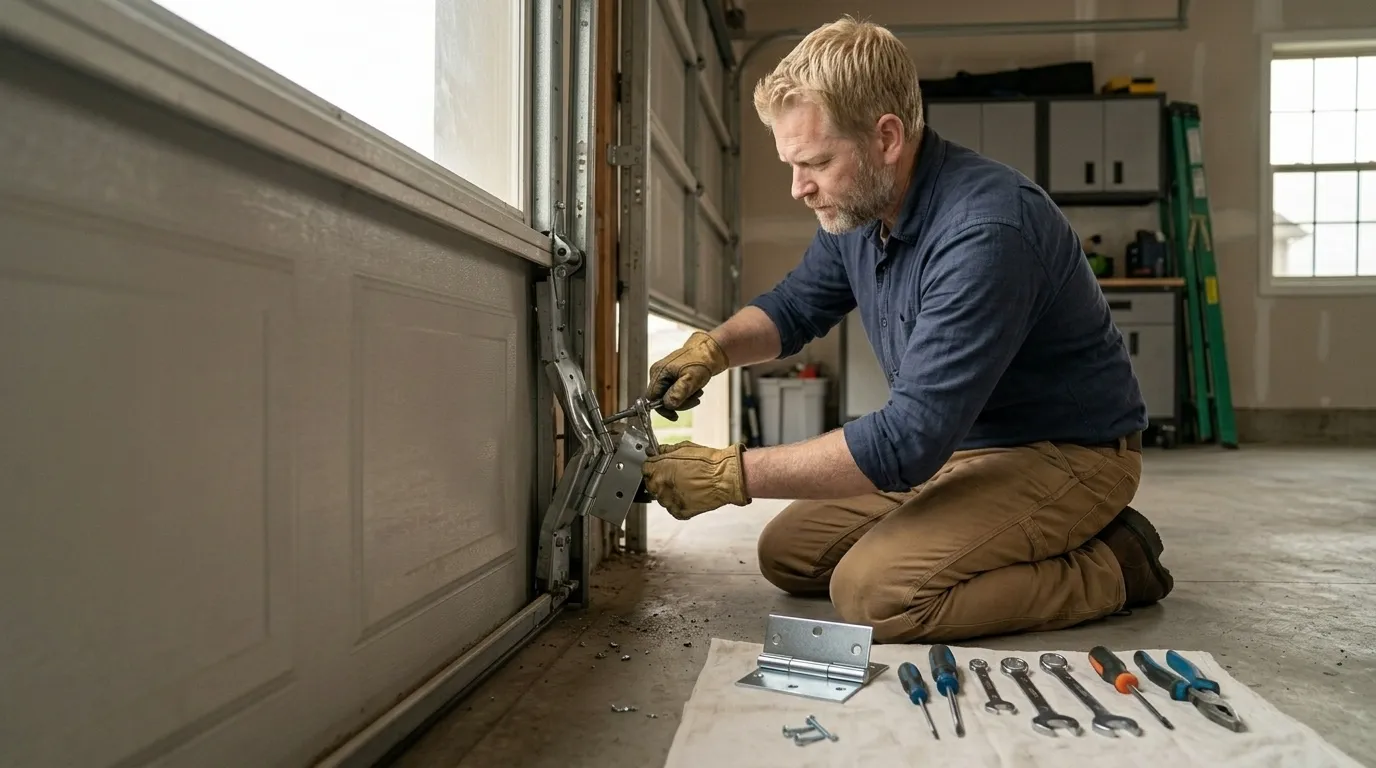
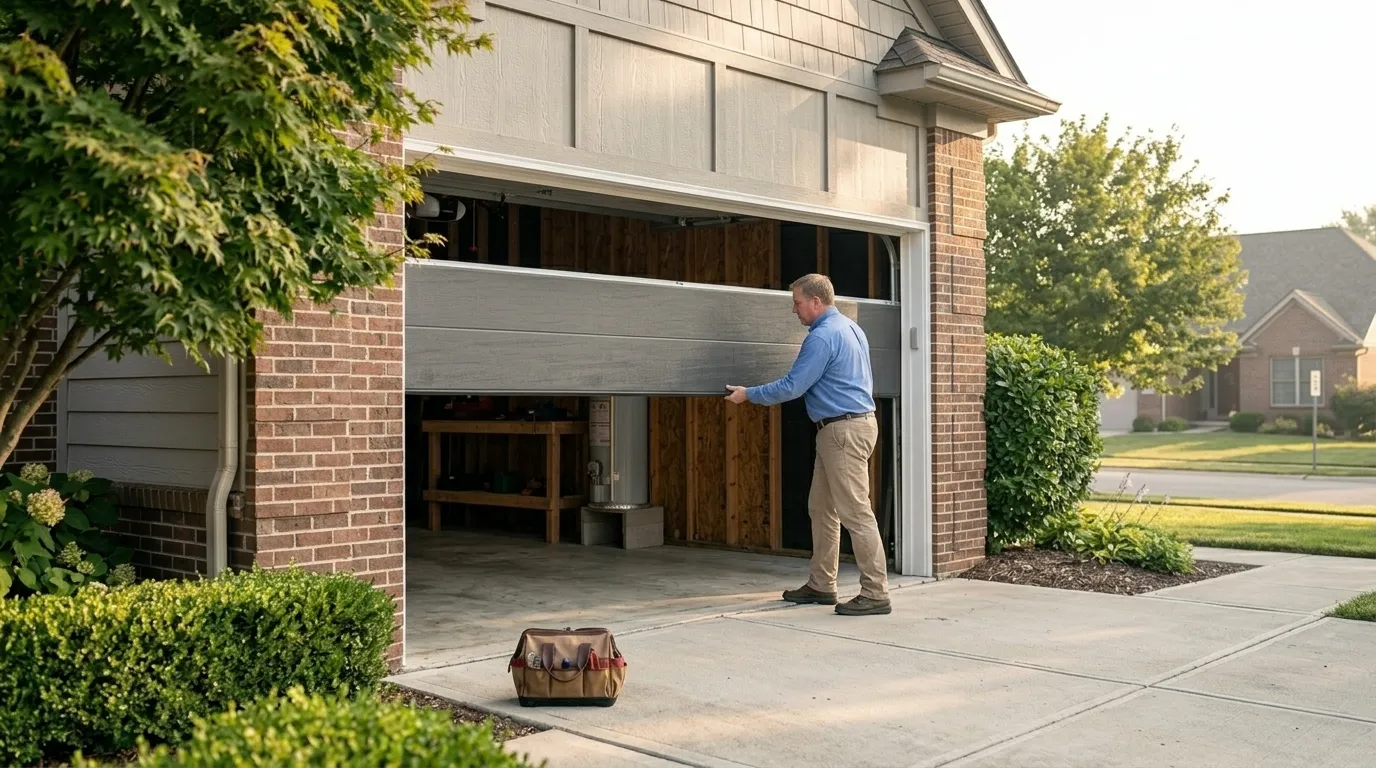
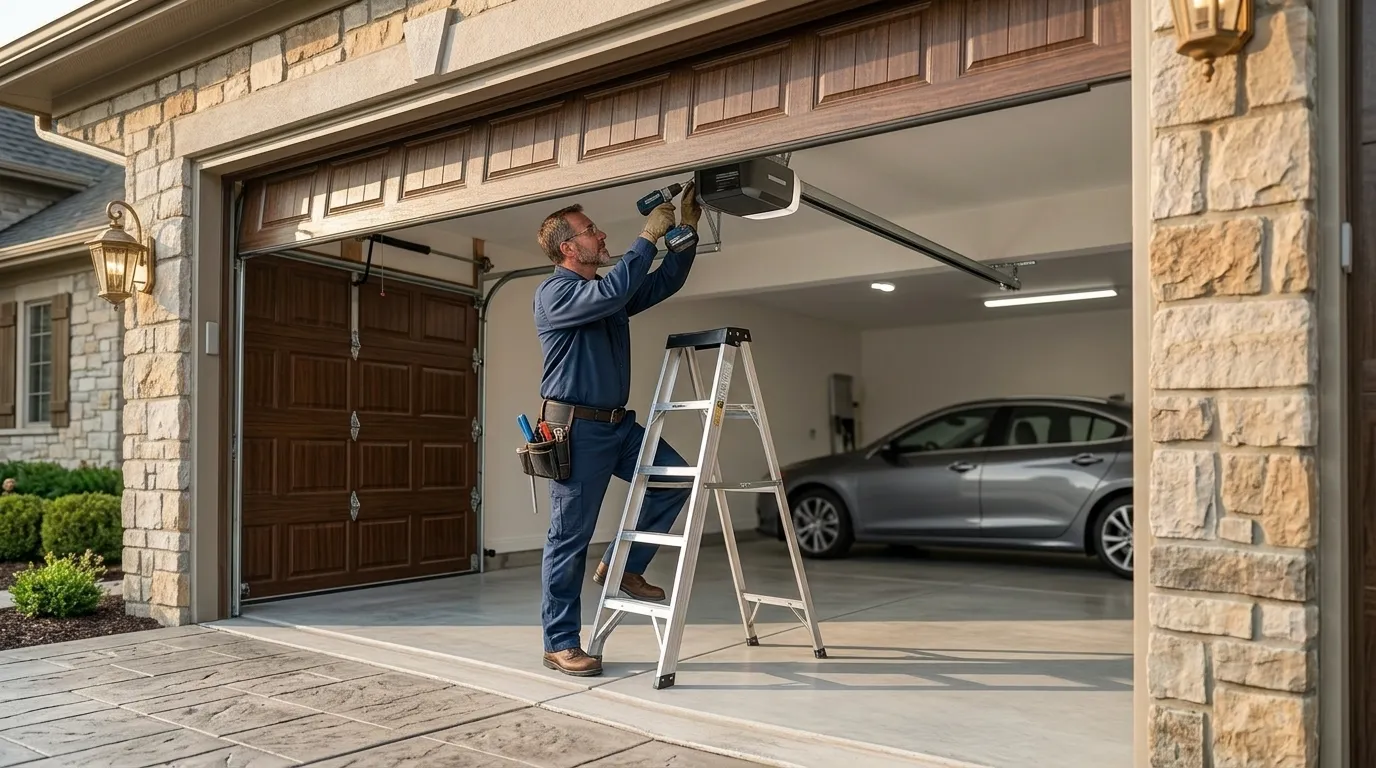
Most calls from Worth start with a spring that's already broken, not one that's making noise - extension springs tend to fail suddenly rather than fray gradually. After that, openers are the next most common call: units installed alongside those 1960s-era doors are well past any reasonable service life, and replacement parts for the oldest chain-drive models aren't something we stock. Track alignment comes up often too, especially on doors that have been forced open or closed while a spring was already failing, which bends the track and throws the rollers out of their channel. We also get calls about doors that were downsized or rebuilt in later decades without updating the original opener bracket, leaving a mismatch between the door weight and the hardware holding it up.